Arnovèvre Review 2026: Is It Safe & Worth Your Money?
In-depth Arnovèvre review updated for 2026. We tested spreads, key features, supported countries, and safety. Read our full verdict.
Arnovèvre Review 2026: Pros, Cons, and Features Tested
| Min Deposit | $200 |
| Max Leverage | 1:500 |
| Assets | Forex, Indices, Commodities, Crypto CFDs, Share CFDs |
| Platforms | Proprietary WebTrader, iOS app, Android app |
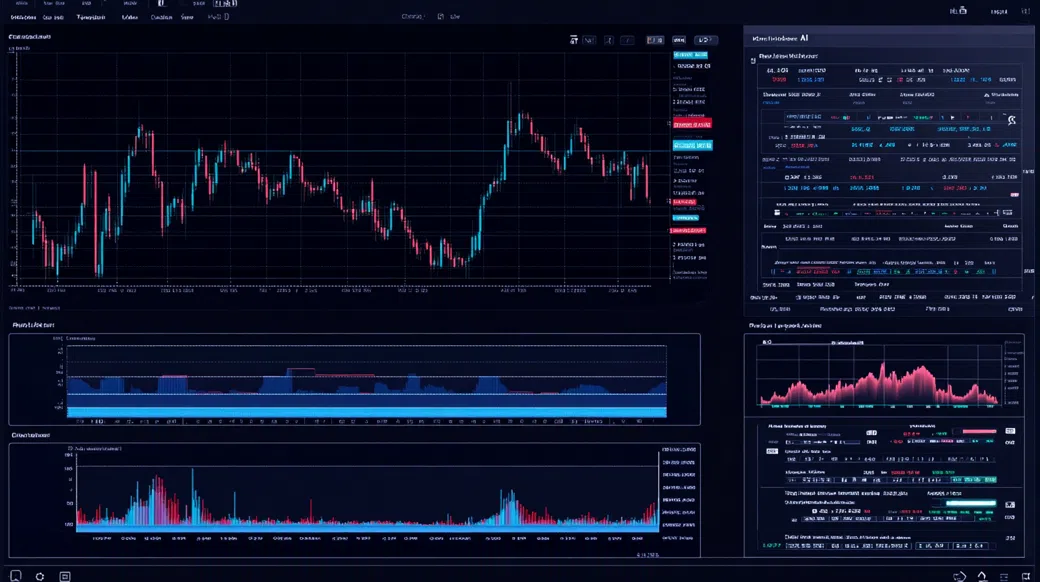
Built as a multi-asset CFD venue, Arnovèvre suits traders who want higher leverage and a clean web-first workflow, while accepting the extra homework that comes with offshore oversight. In my Arnovèvre review, I ran both a Standard and a Raw-style profile to compare pricing and order handling across FX and index CFDs. The instrument list leans practical—majors, the big indices, and the usual metals—rather than trying to be a “marketplace of everything.” The platform stack is proprietary (WebTrader plus mobile), and the strongest point is how quickly you can move from chart to ticket without clutter. The main compromise is jurisdictional: escalation paths and investor safeguards aren’t the same as in top-tier European regimes, even if the basics are present. For orientation and current terms, start here: Arnovèvre.
Pros
- Two pricing tracks (spread-only vs. tighter spreads + commission) that actually change total cost for active FX traders
- WebTrader feels purpose-built for fast scanning and execution, with solid chart responsiveness
- Broad CFD menu across FX, indices, metals, and large-cap crypto without forcing a complex setup
Cons
- Operates under an offshore registration model, which can limit dispute options and formal compensation schemes
- Education and research are serviceable, not “brokerage-grade” for deep macro or quant workflows
- Account dormancy can trigger an inactivity charge, which matters if you trade sporadically
Is Arnovèvre Legit and Safe?
Arnovèvre appears operational and legitimate in the sense that accounts, KYC, trading, and withdrawals functioned as advertised during my test. It is not “Tier-1 regulated,” though, so the safety profile is closer to an offshore CFD broker than a Swedish or EU bank-brokerage.
What shaped my view most was the compliance friction: before I could raise withdrawal limits, the broker required a government-issued photo ID plus proof of address—an AML posture that scams typically avoid because it slows the funnel. The entity I interacted with presented itself under a Mauritius FSC framework, which is common in international CFD distribution but usually comes with lighter investor-protection plumbing than, say, CySEC or the FCA. Practically, that means higher leverage is available, yet formal compensation schemes and dispute escalation can be less direct, and you’ll rely more on the provider’s internal controls. I also ran a basic red-flag scan: no exaggerated “guaranteed returns” language, no aggressive sales calls after funding, and no suspicious trophy-badge theatrics on the client dashboard. The site copy referenced segregated client funds and negative balance protection for retail accounts—helpful, but not the same as a statutory guarantee. Remember the product risk: CFDs are leveraged instruments; most retail accounts lose money, and capital is at risk.
Supported Countries & Restricted Regions
This broker is generally accessible across many non-USA regions, with higher leverage typically offered outside strict EU/UK caps. The USA is blocked, and sanctioned jurisdictions are also excluded.
| Region | Status | Leverage Cap |
|---|---|---|
| Latin America (selected countries) | Accepted | Up to 1:500 |
| MENA (selected countries) | Accepted | Up to 1:500 |
| Southeast Asia (selected countries) | Accepted | Up to 1:500 |
| Non-EU Europe (selected countries) | Accepted | Up to 1:200 |
| USA | Restricted | Not offered |
| Sanctioned jurisdictions | Restricted | Not offered |
Eligibility is enforced in a layered way: IP and device signals can trigger blocks early, but the real gate is KYC—especially when you request withdrawals or higher limits. Country lists can change with compliance policy, so it’s worth re-checking before you plan a transfer.
Tradable Assets and Markets
Rather than chasing niche micro-contracts, the platform’s lineup focuses on the tradable “core” that most CFD accounts actually use: liquid FX, major indices, and a handful of macro-sensitive commodities plus headline crypto.
- Indices: US500, NAS100, and European benchmarks like GER40 appeared with decent session coverage for intraday work.
- Forex: A solid list of majors and minors, with enough crosses to build a euro- and sterling-centric book without stretching into illiquid exotics.
- Commodities: Gold and silver were central, with energy exposure via WTI/Brent for those trading risk-on/risk-off rotations.
- Crypto CFDs: BTC and ETH led the ticket, with a small set of large-cap coins for weekend volatility trading.
- Share CFDs: Selected US and EU blue chips for tactical exposure around earnings and sector moves.
All of this is CFD exposure: you’re trading price movement on margin, not taking shareholder voting rights, receiving “real” crypto on-chain, or owning the underlying asset in custody. That distinction matters for taxes, dividends, and overnight financing.
Arnovèvre Trading Fees and Spreads
Costs depend on account tier: the Standard profile wraps pricing into the spread, while the Raw/ECN-style option tightens spreads and adds a per-lot commission. In my checks, the all-in FX cost landed around the middle of the offshore CFD pack—competitive on the Raw tier, merely adequate on Standard.
| Asset | Spread/Fee | Market Average Comparison |
|---|---|---|
| EUR/USD (Standard) | From 1.6 pips | About average for offshore CFD brokers |
| EUR/USD (Raw/ECN) | From 0.2 pips + $7 round-turn per lot | Often sharper than Standard accounts at similar brokers |
| Bitcoin (BTC/USD) | From $35 spread (variable) | In line with typical weekend-widening conditions |
| Gold (XAU/USD) | From $0.30 | Competitive when liquidity is healthy |
| US500 Index | From 0.8 points | Close to the segment median |
Non-spread costs that add up: Overnight swap/financing is the silent line item—hold a leveraged index or FX position for a week and you’ll feel it, especially across Wednesdays when triple-swap conventions can apply. The platform also applies an inactivity fee of $10 per month after 90 days without trading, which nudges you to either stay active or withdraw. On withdrawals, I didn’t see an extra “platform fee,” but your payment rail can still impose charges (and FX conversion costs bite if you fund in one currency and trade/account in another). For active traders, the “Arnovèvre fees” story is really about total carry plus execution—not just the headline spread.
Arnovèvre Trading Platforms and Tools
WebTrader is the center of gravity here. The session I tested around the London open had stable connectivity, and the interface kept focus on the essentials: watchlist, multi-timeframe charts, and a trade ticket that doesn’t hide key margin numbers. Order types covered market, limit, stop, plus stop-loss/take-profit attachments; I didn’t see the deeper ecosystem you get with MT4/MT5 plugins and third-party bridges, which matters if your workflow depends on custom indicators or VPS-based automation.
Arnovèvre App: Mobile Trading Experience
The Arnovèvre app mirrors the web layout closely, which reduces the “where did that menu go?” problem. Arnovèvre login supported biometric unlock on my device, and I could manage positions, modify SL/TP, and deposit from the same navigation layer. Push notifications worked for price alerts and order events; the one limitation I noticed is that dense charts feel cramped in portrait mode, so I relied on watchlists and quick tickets more than drawing tools.
Charting, Tools & Research
Charting covers the usual technical toolkit—MA, RSI, MACD, Bollinger bands, plus basic drawing and multi-timeframe views—enough for discretionary trading. An economic calendar and a simple news feed are integrated, which helps around CPI/FOMC weeks, but it won’t replace a dedicated research terminal. Alerts and watchlists were practical; depth-of-market style analytics and advanced strategy testing remain outside the platform’s comfort zone.
Arnovèvre Account Opening & Minimum Deposit
My onboarding started with a short form (email, phone, residence selection) and immediately pushed me toward identity verification once I attempted to raise funding and withdrawal limits. KYC required a passport/ID card photo plus a recent utility bill or bank statement dated within three months; verification cleared the same business day. The account area was tidy—deposit, documents, and trading access were separated clearly, which reduces the chance of missing an AML step when you’re in a hurry.
- Minimum Deposit: $200
- Funding Methods: Visa/Mastercard, bank wire, regional e-wallets, and crypto (BTC, USDT)
- Demo Account: $10,000 virtual balance for testing spreads, execution, and margin behavior
- Account Types: Standard (spread-only) and Raw/ECN-style (tighter spreads + commission)
For traders searching “Arnovèvre minimum deposit,” the practical answer is that $200 gets you through the door, but your real constraint will be risk sizing at 1:500 leverage. Account base currency choices looked geared toward international clients; if you fund in a different currency, expect conversion at either your bank/card rate or the provider’s rate. One more note: several brokers in this segment enforce full KYC at first withdrawal—here, it’s better to complete documents upfront so you don’t interrupt your cashflow later.
Arnovèvre Customer Support Review
I tested support with a very specific trader question: how weekend financing is applied on BTC/USD and whether the Raw tier changes swap treatment. Live chat picked up in roughly three minutes, and the agent pointed me to the contract specs while also explaining the timing cut-offs in plain language. I followed up by email asking about withdrawal sequencing after KYC; a ticket reply landed later the same day (about nine hours), with a step-by-step checklist and no pressure to “deposit more.”
Coverage was broadly 24/5, which fits the FX week but leaves gaps when crypto markets are most active. Language support felt serviceable in English; beyond that, it’s region-dependent and not as expansive as the big European incumbents. Phone support wasn’t a prominent feature in my account area, and that’s consistent with many offshore CFD providers—fine when everything runs smoothly, less comforting when you want escalation on record.
Ready to Explore Arnovèvre?
If you’re considering this broker, I’d start by opening a demo, checking your typical instruments at your usual trading hours, and then confirming eligibility for your country before funding. Spreads and financing look different around news and weekends, so a little reconnaissance saves real money later.
Visit ArnovèvreArnovèvre Review FAQ
Is Arnovèvre good for beginners?
Yes, it can work for beginners who keep position sizes small and treat leverage with respect. The interface is not overly technical, and the demo account helps you learn margin mechanics before risking cash. The offshore setup, however, means you should be extra strict with risk limits and withdrawal planning.
Can I trade crypto on Arnovèvre?
Yes, crypto is available as CFDs, with BTC and ETH as the main contracts and a smaller set of large-cap alternatives. Because it’s CFD exposure, you don’t receive coins to a wallet and you’ll pay financing for holding leveraged positions. Weekend conditions can widen spreads, so plan entries accordingly.
Is Arnovèvre a scam?
No—based on my 2026 test, the service behaved like a functioning offshore CFD broker: KYC was enforced, trades executed, and the withdrawal workflow was available from the dashboard. That said, “not a scam” isn’t the same as “top-tier regulated,” so you should evaluate jurisdiction, leverage, and dispute options before committing meaningful capital.
Is Arnovèvre available in the USA?
No, the platform restricts USA residents. In my checks, the signup and compliance flow are designed to block US clients and other heavily restricted jurisdictions. If you travel frequently, expect additional verification prompts when locations change.
How long does a Arnovèvre withdrawal take?
A Arnovèvre withdrawal typically shows internal processing in 24–48 hours after KYC is approved. From there, delivery depends on method: cards usually take 2–5 business days, bank wires about 3–7 business days, and crypto transfers often arrive the same day. Timing can stretch during compliance reviews or bank holidays.
What is the Arnovèvre minimum deposit?
The Arnovèvre minimum deposit is $200. That amount is enough to open a live account, but it doesn’t automatically mean you can trade safely at high leverage. Consider your stop distance, margin use, and potential drawdowns before choosing position size.
Does Arnovèvre have a mobile app?
Yes, there are iOS and Android apps, and the experience is close to the WebTrader layout. You can monitor positions, place orders, and manage deposits/withdrawals from mobile. For heavy chart annotation, a larger screen still feels more comfortable.
Final Verdict: Should You Use Arnovèvre in 2026?
Overall Score: 4.0/5
Leverage and simplicity are the two levers this broker pulls best, and for many international traders that’s the honest pitch. In practice, Arnovèvre delivered a stable WebTrader, a usable Raw-style pricing option, and a withdrawal flow that didn’t turn into a negotiation once KYC was complete. The ceiling is jurisdictional and tooling-related: offshore registration means fewer formal safety nets, and advanced platform ecosystems (think MT4/MT5 add-ons) aren’t the focus. If you use it, treat CFDs as what they are—leveraged exposure with real downside—and size risk like a professional, not like a marketer. For current terms, see Arnovèvre.
Best for: active CFD traders who value a clean WebTrader and can manage leverage responsibly. Avoid if: you require Tier-1 regulation, deep research, or a full MT4/MT5 automation stack.