Auronix Pro Review 2026: Is It Safe & Worth Your Money?
In-depth Auronix Pro review updated for 2026. We tested spreads, key features, supported countries, and safety. Read our full verdict.
Auronix Pro Review 2026: Pros, Cons, and Features Tested
| Min Deposit | $200 |
| Max Leverage | 1:500 |
| Assets | Forex CFDs, Indices CFDs, Commodities CFDs, Crypto CFDs, Share CFDs |
| Platforms | Proprietary WebTrader + iOS/Android mobile apps |
Built as a multi-asset CFD venue with a forex-first feel, Auronix Pro suits traders who want tight-enough pricing and high leverage in exchange for an offshore operating model and thinner investor-protection layers. In my test, the account stack was simple—Standard for spread-only trading and a Raw/ECN-style tier where you “pay the ticket” via commission for lower spreads. The product shelf leans practical: majors and the big indices, plus gold and headline crypto pairs, without drowning you in micro-tickers. The WebTrader is the center of gravity, with mobile acting as a competent companion. The headline drawback is jurisdictional: dispute escalation and compensation schemes aren’t on the same footing as top-tier EU brokers.
Pros
- Two clear pricing tiers, including a Raw/ECN-style option for active traders
- Broad CFD menu (FX, indices, metals, energy, crypto) without a cluttered catalog
- WebTrader and mobile apps feel coherent, with fast access to risk controls
Cons
- Offshore registration means weaker formal protections than EU/UK-regulated brokers
- Education and research are serviceable, not deep
- Dormant accounts can incur an inactivity charge after a grace period
Is Auronix Pro Legit and Safe?
Auronix Pro looked operational and tradeable in my checks—orders filled, KYC was enforced, and withdrawals followed a consistent workflow—so it doesn’t read like a “smoke-and-mirrors” scam. The safety caveat is structural: it runs under an offshore framework, which typically offers fewer statutory backstops than Tier-1 regulation.
What stood out first was process discipline: before I could request a payout, the platform pushed me through AML/KYC steps (photo ID plus proof of address dated within three months). The provider presents itself as operating under a Mauritius FSC-style registration model; in practice, that often comes with higher leverage ceilings (here up to 1:500) but lighter external dispute machinery and no equivalent of a Nordic-style investor compensation scheme. I also scanned for the classic red flags—overheated “award” badges, aggressive calls, or pressure to upsize deposits—and the tone stayed relatively restrained during my test window. The site language referenced segregated client funds, though offshore clients should treat that as a policy claim rather than a regulator-policed guarantee. Remember the product risk: CFDs are leveraged instruments, and losses can exceed deposits without robust protections; trade sizing and stops matter.
Supported Countries & Restricted Regions
This broker is broadly open to clients across parts of Europe (outside the most tightly restricted regimes), MENA, LATAM, and segments of Asia, while the USA and sanctioned jurisdictions are not accepted.
| Region | Status | Leverage Cap |
|---|---|---|
| Europe (non-EU focus) | Accepted | Up to 1:500 |
| MENA | Accepted | Up to 1:500 |
| Latin America | Accepted | Up to 1:500 |
| Southeast Asia | Accepted | Up to 1:500 |
| USA | Restricted | Not offered |
| Sanctioned jurisdictions | Restricted | Not offered |
Eligibility isn’t a “set and forget” thing: IP checks, document country, and payment-rail origin can all trigger additional screening. Policies can shift quickly with compliance updates, so it’s worth re-checking access at signup and again before funding.
Tradable Assets and Markets
The lineup is built for macro-minded CFD trading rather than long-horizon investing: you get the liquid benchmarks first, then a selective layer of single names and crypto. From a Stockholm fixed-income desk perspective, it’s a familiar toolbox—good for expressing views, not for building a retirement portfolio.
- Indices: Core contracts like US500, NAS100, UK100, and GER40 for broad risk-on/risk-off positioning.
- Forex: 40+ pairs with a clear bias toward majors and popular crosses; exotics exist but aren’t the main event.
- Commodities: Gold and silver are front and center, with energy exposure via WTI/Brent and, depending on session, natural gas.
- Crypto CFDs: BTC/USD and ETH/USD plus a handful of large caps, priced like derivatives rather than spot holdings.
- Share CFDs: A curated list of US/EU blue chips for event-driven trades, not a full exchange replica.
All of the above are CFDs: you’re trading price exposure with margin, not taking ownership. That means no shareholder voting rights, no on-chain withdrawals for crypto, and dividend adjustments are handled as cash adjustments rather than “real” distributions.
Auronix Pro Trading Fees and Spreads
Cost-wise, the structure is the classic two-lane road: Standard accounts pay via the spread, while the Raw/ECN-style tier tightens the spread and adds a per-lot commission. On balance, the pricing sits in the middle of the offshore CFD pack—competitive enough for active FX traders, less compelling if you mainly trade wider-spread crypto.
| Asset | Spread/Fee | Market Average Comparison |
|---|---|---|
| EUR/USD (Standard) | From 1.4 pips | In line |
| EUR/USD (Raw/ECN) | From 0.2 pips + $7 round-turn/lot | Competitive |
| Bitcoin (BTC/USD) | From $35 | Slightly higher |
| Gold (XAU/USD) | From $0.35 | In line |
| US500 Index | From 0.8 points | Competitive |
Non-spread costs that matter over time: Overnight swap/financing is the quiet drag for multi-day positions, and it’s where “cheap spreads” can stop looking cheap. I also noted an inactivity charge of $10 per month after 90 days without trading, which is the kind of fee that catches occasional users. Withdrawals can be free or charged depending on rail and intermediary banking; add conversion costs if you fund in a currency that doesn’t match your account base. Crypto CFDs often carry weekend financing effects as well, so holding through Saturday/Sunday isn’t cost-neutral.
Auronix Pro Trading Platforms and Tools
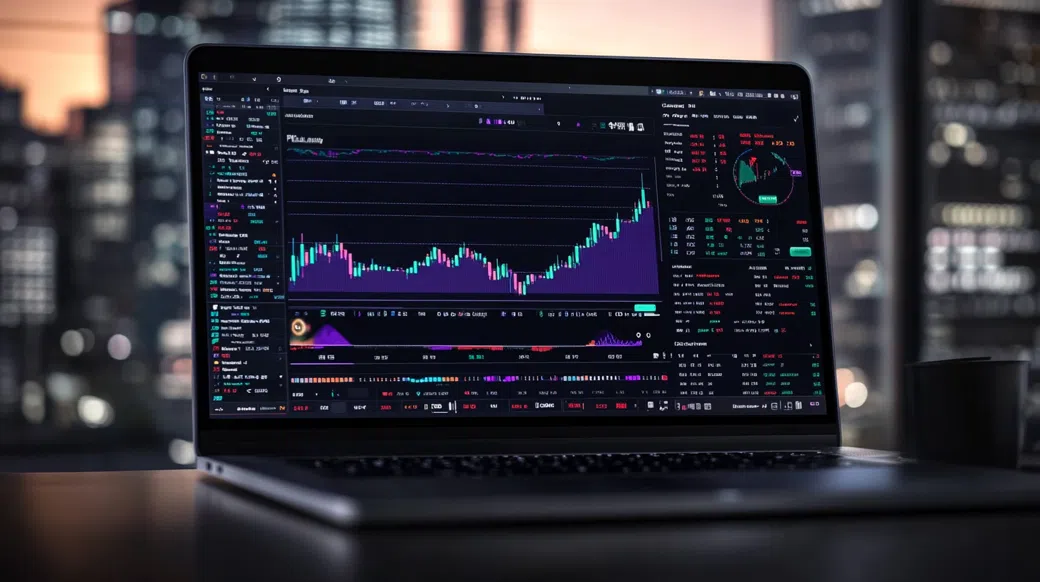
On desktop, the proprietary WebTrader was stable through repeated sessions, and the layout favors execution over decoration: watchlist left, chart center, order ticket that doesn’t hide behind menus. Order types in my test covered market, limit, stop, and stop-loss/take-profit attachments; I used a small EUR/USD position around the London open and saw fills land without drama, though slippage can still appear when liquidity thins. If you live inside MT4/MT5 plug-ins and third-party copy tools, the gap is ecosystem depth—this service feels more self-contained than the MetaTrader universe.
Auronix Pro App: Mobile Trading Experience
The Auronix Pro app mirrors the web layout closely, which matters when you’re managing margin on the commute rather than “learning two platforms.” My Auronix Pro login held its session reliably, and biometric unlock worked on my device. You can place and modify orders, top up the account, and initiate withdrawals from mobile; push notifications for price alerts are there, although I’d still prefer more granular triggers (like alerting on margin level). One-tap close is handy, but the smaller chart area makes multi-timeframe analysis feel compressed.
Charting, Tools & Research
Charting covers the essentials—MA, RSI, MACD, Bollinger Bands, plus drawing tools for trendlines and basic structure. The platform also includes an economic calendar and a news feed that’s useful for scheduling risk (CPI, rate decisions) rather than generating trade ideas. Compared with MT5 or cTrader, the ceiling is lower: fewer advanced studies, fewer automation hooks, and less room for bespoke analytics. For many discretionary traders, that’s acceptable; for systematic work, it’s limiting.
Auronix Pro Account Opening & Minimum Deposit
After entering email, phone, and basic residency details, the workflow nudged me to set trading experience and select an account tier before funding—an approach that’s common for offshore CFD onboarding. Verification required a government-issued photo ID and a recent proof of address; my documents were approved the same business day, and the dashboard then unlocked full withdrawal functionality. From a compliance standpoint, the KYC gates felt real rather than cosmetic.
- Minimum Deposit: $200 (this is the Auronix Pro minimum deposit I was prompted with at funding).
- Funding Methods: Visa/Mastercard, bank wire, regional e-wallets, and crypto rails such as BTC and USDT.
- Demo Account: $10,000 in virtual funds for testing order tickets, spreads, and margin behavior without cash risk.
- Account Types: Standard (spread-only) and Raw/ECN-style (tighter spreads plus $7 round-turn per lot).
I funded via card to keep the test realistic, and the deposit posted with an on-screen confirmation and email receipt. Account base currency selection matters here—if you deposit in SEK or EUR and the account is USD, conversion becomes a hidden fee line. If you want to see the full funding/withdrawal menu before committing, you can review it via Auronix Pro once logged in.
Auronix Pro Customer Support Review
To stress-test support, I asked live chat a practical question: how swap/overnight fees are displayed per instrument, and whether triple-swap timing applies mid-week. A human agent joined in roughly three minutes and pointed me to the contract-spec panel plus where the platform shows financing in the position details. I followed up by email on withdrawal timing for card payouts after KYC; the ticket response landed later the same day, a little under nine hours, with a method-by-method timeline and a reminder that banks can add days.
Coverage is broadly 24/5, which is fine for FX and indices but leaves a weekend gap when crypto headlines hit. Language breadth is serviceable but varies by shift; I wouldn’t assume Nordic-language handling. Phone support wasn’t prominently surfaced in my region, so treat voice escalation as uncertain and plan accordingly—keep screenshots, timestamps, and ticket IDs.
Ready to Explore Auronix Pro?
If you’re considering this broker, start by checking the live spreads in your usual trading hours and verifying that your country is supported. A demo run is also a sensible way to learn the risk controls before funding real money, especially with 1:500 leverage on offer.
Visit Auronix ProAuronix Pro Review FAQ
Is Auronix Pro good for beginners?
Yes, it can work for beginners if they stay conservative with leverage and use the demo first. The interface is not overly technical, but the product is still CFD-based, so risk management needs to be learned early. New traders should consider starting on the Standard account to avoid commission complexity.
Can I trade crypto on Auronix Pro?
Yes, you can trade crypto CFDs such as BTC/USD and ETH/USD on the platform. It’s derivative exposure, meaning you’re speculating on price moves rather than buying coins to withdraw on-chain. Financing and weekend conditions can materially affect holding costs.
Is Auronix Pro a scam?
No, my Auronix Pro scam check didn’t surface the usual operational red flags: KYC was required, trades executed, and the withdrawal workflow functioned. That said, it operates under an offshore model, so “legit” doesn’t mean you get EU/UK-level protections. Treat it like a higher-risk venue and size positions accordingly.
Is Auronix Pro available in the USA?
No, Auronix Pro is not available in the USA. US residents are typically blocked at onboarding due to local regulatory constraints. If you attempt signup with US documentation, you should expect rejection at KYC.
How long does a Auronix Pro withdrawal take?
An Auronix Pro withdrawal is usually processed internally within 24–48 hours after KYC is complete. Card withdrawals commonly reach the account in 2–5 business days, while bank wires can take 3–7 business days depending on intermediaries. Crypto withdrawals, where offered, are often completed the same day.
What is the Auronix Pro minimum deposit?
The Auronix Pro minimum deposit is $200. That level is enough to open and test positions, but it doesn’t leave much room for drawdowns if you use high leverage. If you’re learning, consider trading smaller sizes and treating the first deposit as tuition, not capital.
Does Auronix Pro have a mobile app?
Yes, it offers iOS and Android apps alongside the WebTrader. You can monitor positions, place orders, and manage deposits/withdrawals from mobile. For best results, pair it with price alerts and keep an eye on margin levels when markets gap.
Final Verdict: Should You Use Auronix Pro in 2026?
Overall Score: 3.9/5
Price discovery is decent, the platform is coherent, and the account ladder (Standard vs. Raw/ECN-style) gives you a real choice in how you pay—those are the reasons Auronix Pro ends up on my “usable” list for 2026. Still, the offshore setup is the fulcrum: it enables 1:500 leverage and flexible onboarding, but it also means fewer formal remedies if a dispute turns ugly. If you trade CFDs, remember the uncomfortable statistic: most retail accounts lose money, and leverage magnifies mistakes faster than it magnifies skill. Treat risk management as craft—position sizing, stops, and calm execution.
Best for: active CFD traders who want a WebTrader + mobile workflow and can handle offshore risk. Avoid if: you need Tier-1 regulation, investor compensation schemes, or a full MT4/MT5 plugin ecosystem.