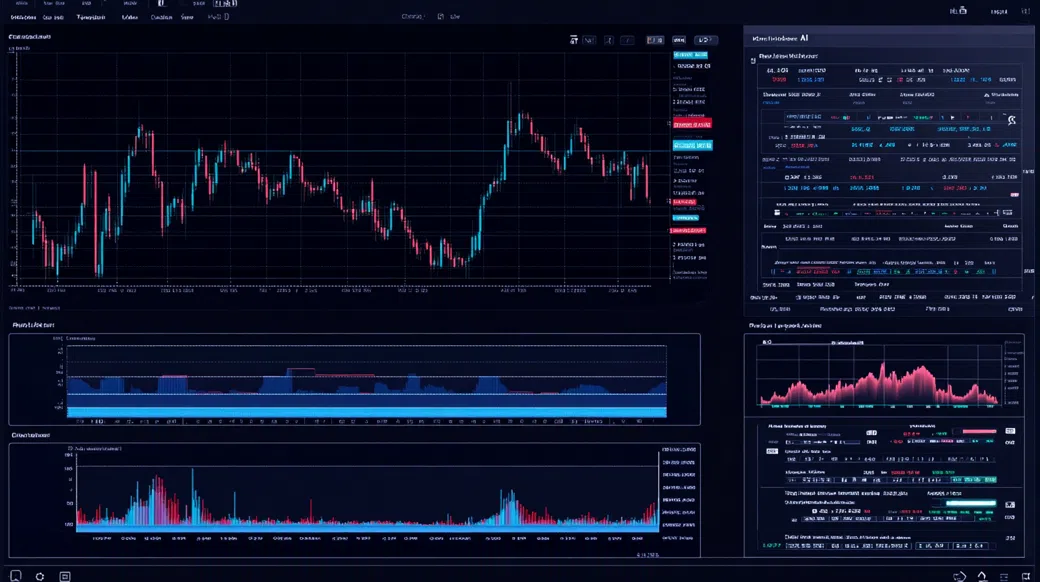
Boost Axid 2U Trading Platform Alternatives 2026
Boost Axid 2U alternatives for 2026: compare regulated brokers, platforms, costs, and safety checks for US/EU traders looking to switch with confidence.
Boost Axid 2U Trading Platform Alternatives 2026: Reliable Options for Online Traders
Some trading platforms feel like a tidy cockpit until the weather turns. Execution slips a touch, withdrawals take an extra step, and suddenly your “simple” setup is a source of friction. That’s often where the hunt for Boost Axid 2U alternatives begins—less about chasing novelty, more about upgrading the plumbing: regulation, platform depth, and the boring (but vital) mechanics of getting money in and out.
From what is typically observable in this offshore-style CFD segment, Boost Axid 2U presents itself as a forex-and-CFD focused venue built around a proprietary WebTrader plus mobile apps. Expect the usual menu: majors and minors in FX, index and commodity CFDs, and often a slice of crypto CFDs. Costs in this category commonly sit around ~2.0 pips on EUR/USD on a standard-style account, with a $250 minimum deposit and leverage that can run as high as 1:500. That combination can feel attractive—right up to the moment risk management stops being theoretical. High leverage compresses the distance between a normal losing streak and a margin call.
This guide, “Boost Axid 2U trading platform alternatives 2026,” focuses on regulated, widely used brokers with clearer investor-protection frameworks and more mature platform stacks. I’m writing for a global audience with a US/EU tilt, where rulebooks (FCA, ASIC, CySEC, NFA) and client-fund handling matter as much as the spread.
Disclaimer: This article is for informational purposes only and does not constitute investment advice. CFDs and other leveraged products carry a high risk of loss and are not suitable for all investors.
Key Takeaways (TL;DR)
- If you need real multi-asset access (stocks/ETFs, options, futures, bonds), a broker like IBKR or Saxo is structurally different from a CFD-first venue.
- Compare round-turn trading cost (spread + commission + slippage) rather than headline leverage; a “tight” spread can still be expensive if execution quality is weak.
- Switching brokers is an operational project: complete KYC at the new firm first, export tax/trade records, then withdraw using the same funding rail to avoid AML delays.
What Is Boost Axid 2U and How Does Its Trading Platform Work?
In this corner of the market, Boost Axid 2U is best understood as a CFD-first trading provider with an offshore regulatory posture—commonly associated with jurisdictions such as the Seychelles FSA. The product pitch is usually straightforward: fast onboarding, a broad CFD list, and leverage up to 1:500. The typical user is not the long-term investor building a retirement portfolio; it’s the short-horizon trader who wants FX and index exposure without dealing with exchange connectivity, custody, or the slower cadence of traditional brokerage operations.
Boost Axid 2U Web Trading Platform: Core Features and Tools
The platform stack is usually a proprietary WebTrader with a companion iOS/Android app—functional, but rarely as extensible as MT4/MT5 or cTrader. Charting tends to be serviceable: common timeframes, a standard indicator set, and basic drawing tools for levels and channels. Order entry is typically simple (market/limit/stop), with risk controls like stop-loss and take-profit available, though advanced order logic and automation are often the missing layer. Mobile generally mirrors the web experience: convenient for monitoring and quick execution, less ideal for building a deep process around journaling, multi-chart layouts, and conditional orders.
Trading Fees, Spreads, and Account Types at Boost Axid 2U
Fee schedules in platforms like Boost Axid 2U usually revolve around a spread-first model: think EUR/USD from ~2.0 pips on a standard account tier. Some providers in this segment also advertise a raw/ECN-style option—often 0.0–0.4 pips plus a commission in the $5–$8 round-turn range—but the practical cost depends on execution and slippage at the moment you hit the button. Add the quiet drags: swap/overnight financing on held positions, possible withdrawal charges, and occasional inactivity fees. If you trade frequently, these details are not footnotes; they are your long-run expectancy.
When Do Traders Start Looking for Boost Axid 2U Alternatives?
Pressure shows up in the workflow first. A trader may tolerate a modest feature set, but friction around funding, unclear protections, or inconsistent fills tends to become expensive over time. That’s why searches for Boost Axid 2U alternatives often accelerate after a few months of real trading—once slippage, swaps, and margin dynamics have had time to leave a mark. For EU and UK residents in particular, investor-protection expectations (segregated client funds, negative balance protection policies, compensation schemes) can be difficult to square with an offshore setup.
- You want MT4/MT5 or cTrader for an EA, custom indicators, or more granular order handling than a basic WebTrader offers.
- Your strategy requires lower all-in costs (spread + commission) and you suspect your current fills are drifting in fast markets.
- You need real stocks/ETFs (not equity CFDs) for long-term holdings, dividends, and corporate actions.
- Withdrawals feel procedural or slow, especially when payment rails or verification requests change midstream.
How to Choose a Reliable Alternative to the Boost Axid 2U Trading Platform
Start with a risk budget, not a feature wishlist. The right substitute is the one that matches your instruments, your holding period, and your tolerance for operational surprises. For regulated options vs Boost Axid 2U, I like to think in layers: legal protection first, then execution, then tools, and only after that the cosmetics of a platform UI.
Regulation, Safety, and Investor Protection
Regulation is a framework for what happens when things go wrong. FCA-, ASIC-, CySEC-, and NFA-supervised brokers must follow rules around segregated client funds, disclosures, and conduct. In the UK, the FSCS can cover eligible clients up to £85,000 if a firm fails; in Cyprus, the ICF can cover up to €20,000 under specific conditions. None of this guarantees profits—but it can reduce the tail risk of a platform failure turning into a total loss.
Available Markets and Instruments
Write down what you truly trade: FX spot via CFDs, index CFDs, single-stock positions, options hedges, or futures for macro expressions. Many competitors to Boost Axid 2U are still CFD-centric; they won’t solve a multi-asset need. If you want “one account, many markets,” you’re looking at brokers with exchange access (stocks/ETFs, options, futures, bonds) rather than a list of synthetic contracts. That difference shows up in transparency, pricing, and how you manage long-term exposure.
Trading Costs: Spreads, Commissions, and Other Fees
Cost is not the spread banner on the homepage; cost is what you paid after the round trip. A clean comparison uses round-turn cost-of-trade: spread + commission + typical slippage, plus swap if you hold overnight. If EUR/USD is 2.0 pips versus 0.6 pips, that gap compounds quickly for active traders. Also look for non-trading fees: inactivity charges, withdrawal fees, and currency conversion. Low friction here is a form of edge.
Platforms, Tools, and Execution Quality
Platform choice is really a choice of workflow. MT4/MT5 and cTrader support automation, third-party tools, and more mature trade management than many proprietary terminals. Execution model matters too: market maker vs STP/ECN/DMA can influence how fills behave in news spikes, and how your stop orders are treated when liquidity thins. If you’re moving from Boost Axid 2U to a new broker, run a short execution test: identical order sizes, similar sessions, and track slippage on entry and exit.
Support, Education, and Overall User Experience
Support quality is invisible—until you need it. Check hours, language coverage, and whether you can reach a human when funding or KYC questions arise. Education is also a tell: serious brokers publish clear margin-call mechanics, product-specific risk disclosures, and platform guides that go beyond marketing. Finally, verify mobile parity: if you manage risk on the go, you want full order management, alerts, and account controls, not a “view-only” companion.
Boost Axid 2U and Different Asset Classes: When Alternatives May Be Better
Boost Axid 2U Forex and CFD Trading
Forex and CFDs are where Boost Axid 2U typically concentrates: roughly 30–50 FX pairs, plus a modest set of indices and commodities. The trade-off is familiar: you may get high leverage (commonly up to 1:500) and simple access, but your long-run results will hinge on execution and financing costs as much as your entries. If your EUR/USD spread is effectively around ~2.0 pips on a standard tier, a regulated specialist can materially change the math for frequent trading.
For cost-sensitive FX traders, Pepperstone and IC Markets are often used benchmarks: Raw-style pricing with commissions, plus MT4/MT5 and cTrader ecosystems built for systematic workflows. If your style is discretionary but active, IG can be compelling for its platform stability and broad CFD coverage under tier-1 regulation. The key point: leverage is not a gift; it is a multiplier. Managing that multiplier is easier when the broker’s rules, margin policies, and protections are transparent.
Boost Axid 2U Stock and ETF Trading
If you’re trying to build long exposure to equities, many offshore CFD venues will only give you stock CFDs—price exposure without ownership rights. That means no shareholder voting, and dividends are usually handled as cash adjustments rather than actual corporate distributions. In practice, that can be acceptable for short-term tactical trades, but it’s a poor substitute for a portfolio.
To close that gap, Interactive Brokers (IBKR) and Saxo Bank are more natural fits: exchange-traded stocks and ETFs, plus options and futures for hedging. For a Stockholm-trained fixed-income mind, the multi-asset angle matters: the ability to pair equity risk with rates or FX hedges in one account is not a luxury—it’s a control surface. If your “platforms like Boost Axid 2U” shortlist doesn’t offer real market access, you’re comparing the wrong product categories.
Boost Axid 2U Crypto Trading
Crypto access on CFD-first platforms is typically crypto CFDs—a derivative exposure rather than on-chain ownership. You’re trading price movement, not transferring coins to a wallet, and the risk profile is shaped by leverage, weekend gaps, and broker pricing policies. Many traders underestimate how quickly crypto volatility can eat margin, especially when leverage is available and liquidity shifts during off-hours.
If you want regulated exposure via derivatives, brokers like IG and Plus500 commonly offer crypto CFDs in supported regions, with clearer disclosure standards than offshore venues. If your goal is true coin custody, that’s usually a different conversation (exchanges, wallets, and a separate risk model). For most readers comparing top substitutes for Boost Axid 2U, the practical question is simpler: do you need crypto in the same risk book as FX and indices, and are you comfortable with CFD mechanics and overnight financing?
Best Boost Axid 2U Alternatives for 2026: Comparison of Top Trading Platforms
Saxo Bank: Key Facts and How It Compares to Boost Axid 2U
Regulation: Regulated across multiple hubs, including FCA and MAS (entity depends on your residency).
Markets: Stocks, ETFs, bonds, options, futures, FX, and CFDs.
Fees: FX spreads typically from ~0.6–1.2 pips depending on tier; non-FX pricing varies by venue and product.
Platform: SaxoTraderGO / SaxoTraderPRO (proprietary).
Best For: Multi-asset investors who hedge like adults.
IC Markets: Key Facts and How It Compares to Boost Axid 2U
Regulation: ASIC and CySEC (group also operates an FSA Seychelles entity for some regions).
Markets: FX and CFDs (indices, commodities, some crypto CFDs depending on jurisdiction).
Fees: Raw pricing often ~0.0–0.3 pips on EUR/USD + commission (commonly ~ $6–$7 round-turn); Standard accounts typically wider.
Platform: MT4, MT5, cTrader.
Best For: Systematic FX traders who care about spreads and latency.
Interactive Brokers (IBKR): Key Facts and How It Compares to Boost Axid 2U
Regulation: SEC/FINRA (US), FCA (UK), IIROC (Canada), plus other local regulators by entity.
Markets: Stocks, ETFs, options, futures, FX, bonds, and more (true multi-asset brokerage).
Fees: FX pricing is typically commission-based with tight spreads; equities/derivatives fees depend on exchange and routing choices.
Platform: Trader Workstation (TWS), IBKR mobile, Client Portal, APIs.
Best For: Professionals building a global, exchange-traded book.
Pepperstone: Key Facts and How It Compares to Boost Axid 2U
Regulation: FCA, ASIC, CySEC, DFSA (entity depends on where you live).
Markets: FX and CFDs (indices, commodities, some crypto CFDs in eligible regions).
Fees: Razor/Raw-style accounts often ~0.0–0.3 pips on EUR/USD + commission (commonly around $7 round-turn); Standard accounts usually ~1.0+ pip.
Platform: MT4, MT5, cTrader.
Best For: Active day traders who want MT4/MT5/cTrader flexibility.
IG: Key Facts and How It Compares to Boost Axid 2U
Regulation: FCA, ASIC, MAS (regional entity applies).
Markets: CFDs across FX, indices, commodities, shares; additional products vary by country (UK also supports spread betting).
Fees: FX spreads often from ~0.6–1.0 pips on majors in liquid hours; other CFD costs vary by market and size.
Platform: IG Trading Platform (proprietary); MT4 supported in select regions.
Best For: Macro-focused CFD traders who value platform resilience.
Trading 212: Key Facts and How It Compares to Boost Axid 2U
Regulation: FCA and CySEC (entity depends on your region).
Markets: Stocks and ETFs (investment accounts) plus CFDs (where available).
Fees: Investing can be commission-free on many instruments, while CFDs embed costs via spreads and financing; FX/CFD pricing varies by product.
Platform: Proprietary web and mobile platform.
Best For: Mobile-first equity accumulators who also dabble in CFDs.
Comparison Summary
| Platform | Regulation | Main Markets | Typical Costs | Best For |
|---|---|---|---|---|
| Saxo Bank | FCA, MAS (by entity) | Stocks/ETFs, bonds, options, futures, FX, CFDs | FX ~0.6–1.2 pips (tiered); product fees vary | Multi-asset investors who hedge like adults |
| IC Markets | ASIC, CySEC (plus FSA Seychelles group entity) | FX + CFDs (indices/commodities; some crypto CFDs) | Raw ~0.0–0.3 pips + ~$6–$7 RT; Standard wider | Systematic FX traders who care about spreads and latency |
| Interactive Brokers (IBKR) | SEC/FINRA, FCA, IIROC (by entity) | Stocks/ETFs, options, futures, FX, bonds | Commission-based; tight pricing depends on venue/routing | Professionals building a global, exchange-traded book |
| Pepperstone | FCA, ASIC, CySEC, DFSA (by entity) | FX + CFDs (indices/commodities; some crypto CFDs) | Raw ~0.0–0.3 pips + ~ $7 RT; Standard ~1.0+ pip | Active day traders who want MT4/MT5/cTrader flexibility |
| IG | FCA, ASIC, MAS (by entity) | CFDs on FX/indices/commodities/shares | FX often ~0.6–1.0 pips in liquid hours; varies elsewhere | Macro-focused CFD traders who value platform resilience |
| Trading 212 | FCA, CySEC (by entity) | Stocks/ETFs (investing) + CFDs (where offered) | Investing often commission-free; CFDs priced via spreads/financing | Mobile-first equity accumulators who also dabble in CFDs |
How to Safely Move from Boost Axid 2U to Another Broker
Switching brokers is less like changing apps and more like moving a small business bank account: sequence matters. Treat it as operational risk management—because it is. Before you chase tighter spreads or prettier charts, make sure your new venue is live, verified, and tested; leverage plus haste is how small mistakes become large losses.
- Confirm the new broker’s license on the regulator’s own register (FCA Register, ASIC Connect, CySEC register, or NFA BASIC) and match the legal entity name, not just the brand.
- Open the new account and complete KYC/AML checks early (ID + proof of address). Waiting until withdrawal day is how timelines stretch.
- Flatten risk: close or reduce open positions before moving. Don’t assume positions can be transferred; plan to re-enter on the new platform if needed.
- Withdraw from Boost Axid 2U using the same deposit method where possible, since many brokers enforce source-of-funds rules on refunds and payouts.
- Export statements, trade history, and funding records before you stop using the old account; taxes and disputes both run on documentation.
Ready to Explore Boost Axid 2U?
If you’re still evaluating your options, review the current onboarding flow, supported regions, and platform stack side-by-side with the regulated brokers above. A careful comparison—costs, execution, and protections—beats a rushed move driven by leverage headlines.
Visit Boost Axid 2UFAQ: Boost Axid 2U Alternatives and Trading Platforms
What is the best alternative to Boost Axid 2U in 2026?
The best choice depends on what you trade and how you manage risk, but for many EU/UK traders a strong shortlist includes Saxo Bank (multi-asset), IG (robust CFD offering), and Pepperstone or IC Markets (FX-focused pricing and platforms). If you want exchange-traded stocks/ETFs plus derivatives, Interactive Brokers is often the cleanest structural upgrade. In other words: pick the broker category first, then the platform.
Is Boost Axid 2U a safe broker/platform?
Boost Axid 2U appears to fit an offshore/unregulated profile (commonly associated with jurisdictions like the Seychelles FSA), which usually provides fewer formal investor-protection mechanisms than FCA/ASIC/CySEC/NFA oversight. That doesn’t automatically mean a user can’t trade there, but the risk envelope is wider—especially around dispute resolution and client-fund safeguards. If safety is your priority, regulated alternatives typically offer clearer rules on segregated funds and protections.
Can I trade stocks, futures, or crypto with Boost Axid 2U?
With platforms like Boost Axid 2U, stocks and ETFs are often offered as CFDs (if offered at all), and futures access is typically not the same as trading on an exchange. Crypto exposure is commonly via crypto CFDs rather than owning coins. If you need real stocks/ETFs, options, or exchange-traded futures, consider multi-asset brokers such as IBKR or Saxo.
What should I check before switching from Boost Axid 2U to another platform?
Before switching, verify the new broker’s legal entity on the regulator’s register, confirm your region is accepted (the US is typically restricted for many CFD providers), and review margin/negative balance protection rules. Then test execution with small size and compare your true all-in cost (spread + commission + slippage + swap). Finally, download your account history from Boost Axid 2U before you fully exit, so your records stay intact.
About the Author: Erik Lindström is a Stockholm-trained former fixed-income analyst who covers European brokerage ecosystems and Nordic fintech innovation. He approaches trading platforms the way bond desks approach counterparties: trust is earned through structure, transparency, and what happens in stress—not through slogans.