Bruyère Fondoire Review 2026: Is It Safe & Worth Your Money?
In-depth Bruyère Fondoire review updated for 2026. We tested spreads, key features, supported countries, and safety. Read our full verdict.
Bruyère Fondoire Review 2026: Pros, Cons, and Features Tested
| Min Deposit | $200 |
| Max Leverage | 1:500 |
| Assets | Forex CFDs, Indices CFDs, Commodities CFDs, Crypto CFDs, Share CFDs |
| Platforms | Proprietary WebTrader + iOS/Android mobile apps |
Built as a multi-asset CFD venue, Bruyère Fondoire suits traders who value flexible leverage and a clean web-first workflow—while accepting the softer guardrails that come with offshore oversight; my Bruyère Fondoire walkthrough felt geared toward active speculators more than long-horizon investors. Two account tiers stood out: a spread-only Standard for casual flow and a tighter Raw/ECN-style option for frequent tickets. The watchlist is broad enough for macro-driven trading (FX, indices, gold, and crypto CFDs), and the mobile stack mirrors the browser platform closely. The edge is speed-to-market: quick instrument access and decent charting without installing a terminal. The main drawback is jurisdictional—dispute escalation and compensation expectations aren’t the same as with Tier‑1 regimes.
Pros
- Two-tier pricing (Standard vs. Raw/ECN-style) that can fit both occasional and high-frequency habits
- WebTrader and mobile apps cover the essentials—charts, alerts, and order management without extra software
- Good cross-asset coverage for macro themes (FX, indices, metals, energy, and major crypto CFDs)
Cons
- Operates under an offshore registration model, which typically limits formal investor protections
- Non-trading costs (like inactivity) can matter if you park an account for months
- No MT4/MT5 confirmation in my setup, which narrows third-party tool and automation options
Is Bruyère Fondoire Legit and Safe?
Bruyère Fondoire looks operational and tradable rather than a “vanish overnight” outfit, but it sits in the offshore category—so “legit” here means functioning infrastructure, not Tier‑1 style investor protection. I did not see the classic scam tells (blocked withdrawals, fake badges pushed aggressively, or relentless phone pressure) during my test window.
Regulatory footing matters, and this provider presents itself under a Mauritius FSC framework—common in the international CFD ecosystem, yet meaningfully different from an EU/UK rulebook. In practice, offshore regulation often enables higher leverage (here up to 1:500) and lighter product constraints, but it can also mean weaker compensation schemes and fewer clear steps if a dispute escalates. On the trust-signal side, the platform forced KYC before I could complete a withdrawal: photo ID plus a proof of address dated within three months, which is aligned with AML norms. The legal pages also referenced segregated client funds language; that’s a positive sign, though it’s not the same as a statutory guarantee. Finally, remember the product risk: CFDs are leveraged instruments; a margin call arrives faster than many expect, and most retail accounts lose money.
Supported Countries & Restricted Regions
The broker is broadly accessible across many non-US international markets, with the strictest exclusions applying to the USA and sanctioned jurisdictions. Availability can be country-specific even within the same region.
| Region | Status | Leverage Cap |
|---|---|---|
| Europe (non-EU/EEA) | Accepted | Up to 1:500 |
| MENA (selected countries) | Accepted | Up to 1:500 |
| Southeast Asia (selected countries) | Accepted | Up to 1:500 |
| Latin America (selected countries) | Accepted | Up to 1:500 |
| USA | Restricted | Not offered |
| Sanctioned jurisdictions | Restricted | Not offered |
Eligibility is enforced through a mix of signup declarations and KYC checks; in my case, address verification was decisive. Policies can shift with compliance and payment-rail realities, so re-check your country at the point of registration.
Tradable Assets and Markets
From a trader’s seat, this lineup feels “macro first”: the menus prioritize FX, indices, and metals, with crypto and share CFDs as secondary satellites. The depth is adequate for directional trading and hedging, rather than granular single-stock portfolio construction.
- Indices CFDs: Broad benchmark coverage such as US500, NAS100, GER40, and UK100 for session-to-session positioning.
- Forex CFDs: A solid list of majors and minors with enough variety to express Europe vs. US rate narratives (and a sprinkling of higher-vol pairs).
- Commodities CFDs: Gold and silver sit alongside energy contracts like WTI/Brent, useful for inflation and risk-on/risk-off trades.
- Crypto CFDs: Large-cap coins including BTC and ETH, designed for price exposure without wallets or on-chain transfers.
- Share CFDs: A selective set of US/EU blue chips for event-driven trades and index-adjacent ideas.
All of this is CFD exposure: you’re trading price movements with leverage, not acquiring shareholder voting rights or taking delivery of commodities. With crypto CFDs, you’re not receiving coins on-chain—just tracking the contract price.
Bruyère Fondoire Trading Fees and Spreads
Costs hinge on which account you choose: Standard is spread-only, while the Raw/ECN-style tier pairs tighter pricing with a per-lot commission. On my screen, EUR/USD on Standard started around 1.6 pips, which is broadly in line for offshore CFD brokers; the Raw/ECN feed tightened materially, then you pay the ticket fee.
| Asset | Spread/Fee | Market Average Comparison |
|---|---|---|
| EUR/USD (Standard) | From 1.6 pips | Near segment average |
| EUR/USD (Raw/ECN) | From 0.2 pips + $7 round-turn/lot | Competitive for active trading |
| Bitcoin (BTC/USD) | From $35 (variable) | Typical for CFD crypto pricing |
| Gold (XAU/USD) | From $0.35 | In the usual range |
| US500 Index | From 0.9 points | Slightly better than average |
Beyond the headline spread, the long-run bill is shaped by financing: overnight swap/rollover applies on leveraged FX, indices, and metals, and weekend financing can be noticeable on crypto CFDs. I also noted an inactivity charge of $10 per month after 90 days without trading—small in isolation, but it punishes “set and forget” accounts. Withdrawal costs can depend on the rail (card vs. wire vs. crypto), and if you fund in one currency and trade in another, conversion spreads add a quiet layer of drag. For a fee cross-check, I pulled the published schedule directly from Bruyère Fondoire before placing my test tickets.
Bruyère Fondoire Trading Platforms and Tools
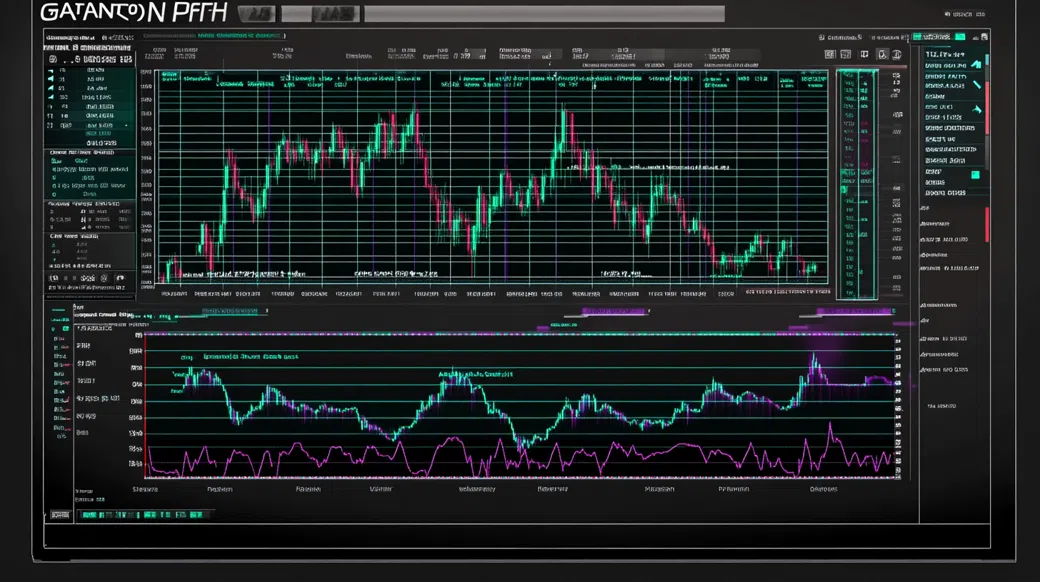
On desktop, the WebTrader behaved like a modern brokerage front-end: stable sessions, a clear margin panel, and quick switching between markets. I placed a small US500 position during the New York/Europe overlap and watched fills land without drama; execution speed felt acceptable, though you should still expect slippage around data releases. If you come from an MT4/MT5 ecosystem, the main gap is the plug-in universe—fewer third-party indicators, fewer automation pathways, and less community tooling.
Bruyère Fondoire App: Mobile Trading Experience
The Bruyère Fondoire app mirrors the browser layout closely, which makes it easy to manage risk on the move. The Bruyère Fondoire login accepted biometric unlock on my phone, and I could adjust stops/limits and close positions with a couple of taps. Deposits and withdrawals are accessible inside the app, and push notifications can be enabled for price levels and order events. My only gripe: deep chart work on a small screen still feels cramped compared with a desktop monitor.
Charting, Tools & Research
Charting is serviceable: multiple timeframes, common indicators (RSI, MACD, moving averages, Bollinger bands), and basic drawing tools for levels and trendlines. A built-in economic calendar and a news feed help with timing, but it’s not a substitute for a full research terminal. Alerts and watchlists are present and useful; still, power users chasing cTrader/MT5-grade analytics will notice the ceiling.
Bruyère Fondoire Account Opening & Minimum Deposit
After entering email, phone, and a few suitability-style prompts, I was routed into identity checks before the account became fully functional. The KYC pack was familiar: government-issued photo ID plus a recent utility bill/bank statement (dated within three months). Verification cleared the same business day for me, and the dashboard then unlocked funding and higher withdrawal limits.
- Minimum Deposit: $200 (the Bruyère Fondoire minimum deposit in my account setup)
- Funding Methods: Visa/Mastercard, bank wire, regional e-wallets, and cryptocurrencies such as BTC and USDT
- Demo Account: $10,000 virtual balance—useful for testing margin behavior and order placement
- Account Types: Standard (spread-only) and Raw/ECN-style (tighter spreads plus commission)
One practical note from funding: card deposits posted instantly for my test, while wires naturally depend on banking cut-offs. Base currency choices looked USD-centric, so European traders should factor in conversion if they’re funding from SEK or EUR accounts.
Bruyère Fondoire Customer Support Review
I leaned on support with a trader’s question: “Where exactly do you publish swap rates per symbol, and do they change after rollover on Wednesdays?” Live chat replied in roughly three minutes with the menu path and a short explanation about triple-swap mechanics. I also sent an email ticket asking about withdrawal sequencing after KYC; the written response arrived in about eight hours and matched what the portal later displayed.
Coverage is what you’d expect from an offshore CFD desk: 24/5 availability on chat and email, with weekends quieter unless crypto support is explicitly staffed. Language options felt region-dependent; English was solid, while other languages may rely on scripted templates. Phone support wasn’t prominently advertised in my region, so if you require voice escalation as a default, that’s worth considering.
Ready to Explore Bruyère Fondoire?
If you’re considering an offshore CFD account, start by checking spreads on the instruments you actually trade and verify that your country is accepted before you fund. A demo run can also reveal whether the WebTrader workflow fits your risk routine—especially around margin and stop placement.
Visit Bruyère FondoireBruyère Fondoire Review FAQ
Is Bruyère Fondoire good for beginners?
It can be, provided you treat leverage with respect and start small. The WebTrader and mobile layout are approachable, and the demo account helps you rehearse order types without cash risk. Still, the offshore model and 1:500 leverage mean beginners should use conservative position sizing and tight risk limits.
Can I trade crypto on Bruyère Fondoire?
Yes, crypto CFDs are available, including majors like BTC and ETH. You’re trading a derivative contract, not buying coins into a wallet. That means no on-chain withdrawals and no staking—just price exposure with leverage.
Is Bruyère Fondoire a scam?
No, based on my 2026 test it behaved like a functioning broker (account access, trading, and withdrawals worked), not a “deposit-only” trap. The more relevant caution is that it’s offshore, so protections and complaint pathways may be thinner than with Tier‑1 regulators. Treat any CFD broker with high leverage as high risk and manage exposure accordingly.
Is Bruyère Fondoire available in the USA?
No, the USA is restricted. During signup, residency and verification steps are used to enforce this. If you’re US-based, you’ll need a domestically compliant venue instead.
How long does a Bruyère Fondoire withdrawal take?
Most withdrawals are processed internally within 24–48 hours after KYC is approved. Receipt time then depends on the method: cards typically take 2–5 business days, bank wires 3–7 business days, and crypto can arrive the same day. In my case, the portal status updated first, then the funds followed on the payment rail schedule.
What is the Bruyère Fondoire minimum deposit?
The minimum deposit is $200. That level is enough to open positions, but it doesn’t automatically make 1:500 leverage “safe” to use. If you’re new, consider under-using leverage and focusing on risk per trade.
Does Bruyère Fondoire have a mobile app?
Yes, it offers iOS and Android apps alongside the WebTrader. The app supports monitoring, order placement, and account actions like funding and withdrawals. For serious chart work, I still preferred the desktop screen real estate.
Final Verdict: Should You Use Bruyère Fondoire in 2026?
Overall Score: 4.0/5
What I keep coming back to is the platform’s practicality: pricing tiers are clear, the WebTrader is stable enough for day-to-day execution, and the asset list covers the instruments most CFD traders actually rotate through. The offshore posture is the price of admission, and it changes how you should think about counterparty risk and dispute resolution. If you decide to proceed, treat it like a trading account—not a savings vehicle—and keep leverage on a short leash. For a current terms check, I’d start at Bruyère Fondoire and verify your region before funding.
Best for: active CFD traders who want web/mobile access, tiered spreads, and higher leverage flexibility. Avoid if: you require Tier‑1 regulation, deep third-party platform ecosystems (MT4/MT5 automation), or you’re prone to over-sizing positions.