Cordex GPT Review 2026: Is It Safe & Worth Your Money?
In-depth Cordex GPT review updated for 2026. We tested spreads, key features, supported countries, and safety. Read our full verdict.
Cordex GPT Review 2026: Pros, Cons, and Features Tested
| Min Deposit | $200 |
| Max Leverage | 1:500 |
| Assets | Forex, Indices, Commodities, Crypto CFDs, Share CFDs |
| Platforms | Proprietary WebTrader, iOS app, Android app |
Built as a multi-asset CFD venue with a retail-friendly interface, Cordex GPT suits traders who want broad market access and higher leverage—while accepting an offshore rulebook as the price of that flexibility. Account tiers are split between a spread-only Standard and a tighter Raw/ECN-style option, which I could toggle inside the client area without fuss. The instrument list leans FX and indices first, with crypto CFDs and a small shelf of blue-chip share CFDs as add-ons. Execution and charting live in a proprietary WebTrader plus mobile apps rather than the classic MT4/MT5 ecosystem. For a quick orientation, I used Cordex GPT on web to compare spreads across sessions; the main drawback remains the lighter investor-protection framework typical of offshore registration.
Pros
- Two pricing tracks (Standard vs Raw/ECN-style) make it easier to align costs with trading frequency
- Solid coverage of majors and key indices, with commodities and crypto CFDs for hedging
- WebTrader and mobile apps feel coherent, with watchlists and one-tap risk controls
Cons
- Operates under offshore oversight, which can limit dispute routes and compensation schemes
- Education and research are serviceable, not deep enough for systematic learners
- Dormant accounts can accrue an inactivity charge after extended non-use
Is Cordex GPT Legit and Safe?
Cordex GPT looked operational and tradeable in my hands-on checks, not like a “disappearing broker” setup. That said, it runs with an offshore registration model, so the safety net is thinner than what Nordic traders expect from EU-regulated firms.
On the paperwork side, the provider presents itself as registered with the Seychelles FSA, a jurisdiction that tends to permit higher leverage but generally offers fewer formal escalation paths if a dispute turns ugly. In practice, that means you’re leaning more on the broker’s internal controls—policy wording, segregation claims, and operational discipline—than on a heavy compensation framework. My red-flag scan focused on the usual weak points: withdrawal friction, aggressive “account manager” pressure, and marketing badges that look too glossy to be true. I didn’t get pestered after opening, KYC was enforced before withdrawals, and the client-area language referenced segregated client funds (always worth verifying with your own due diligence). Still, remember what you’re trading here: CFDs are leveraged products; margin calls happen fast, and most retail accounts lose money. Capital is at risk.
Supported Countries & Restricted Regions
Access is broad across many non-US jurisdictions, with the best fit typically being international clients outside tightly regulated markets. The USA is blocked, and sanctioned locations are screened out.
| Region | Status | Leverage Cap |
|---|---|---|
| Europe (non-EU/EEA) | Accepted | Up to 1:500 |
| Middle East & North Africa (select countries) | Accepted | Up to 1:500 |
| Southeast Asia (select countries) | Accepted | Up to 1:500 |
| Latin America (select countries) | Accepted | Up to 1:500 |
| USA | Restricted | Not offered |
| Sanctioned jurisdictions | Restricted | Not offered |
Eligibility is enforced through a mix of signup declarations, KYC checks, and practical filters like IP/location signals. Policies also move over time—if your residency changes, expect the provider to re-check status before funding or payout.
Tradable Assets and Markets
Rather than trying to be everything, this broker feels designed around liquid, news-driven CFDs—where spreads, execution speed, and margin discipline matter more than exotic product variety.
- Indices: The core lineup includes staples like US500, NAS100, GER40 and UK100, useful for traders who express macro views without stock-picking.
- Forex: Expect 40+ pairs across majors and minors, plus a modest sprinkle of exotics; EUR/USD and GBP/USD carried the cleanest pricing in my checks.
- Commodities: Gold and WTI were front-and-center, with silver and energy contracts offering practical hedges when FX volatility spills over.
- Crypto CFDs: BTC and ETH are available alongside large-cap tokens; weekend pricing is workable but financing can bite if you hold too long.
- Share CFDs: A curated list of US/EU blue chips is there for tactical exposure, not for building a long-term equity portfolio.
All exposure here is via CFDs: you don’t receive shareholder voting rights, and “owning” crypto in this format doesn’t mean on-chain custody. Dividends, where applicable, are typically handled as cash adjustments rather than true ownership benefits.
Cordex GPT Trading Fees and Spreads
Cordex GPT fees hinge on which account you choose: Standard pricing is spread-only, while the Raw/ECN-style tier narrows the spread and adds a per-lot commission. On EUR/USD, my snapshots sat in the expected range for offshore CFD brokers—competitive enough for active trading, not the absolute cheapest on the planet.
| Asset | Spread/Fee | Market Average Comparison |
|---|---|---|
| EUR/USD (Standard) | From 1.6 pips | In line with offshore CFD peers |
| EUR/USD (Raw/ECN) | From 0.2 pips + $7 round-turn/lot | Competitive for commission-based accounts |
| Bitcoin (BTC/USD) | From $35 | About average; can widen on weekends |
| Gold (XAU/USD) | From $0.35 | Slightly better than typical fixed-spread models |
| US500 Index | From 0.9 points | Roughly market average |
Non-spread costs that matter: Overnight swap/financing is the silent drain for position traders, and crypto CFD financing can compound over weekends. The platform also applies an inactivity fee of $10 per month after 90 days without trading, which is easy to forget if you “park” an account. Finally, card and e-wallet funding in a non-base currency can trigger conversion costs from your payment provider, so it’s worth matching deposit currency to your account denomination.
Cordex GPT Trading Platforms and Tools
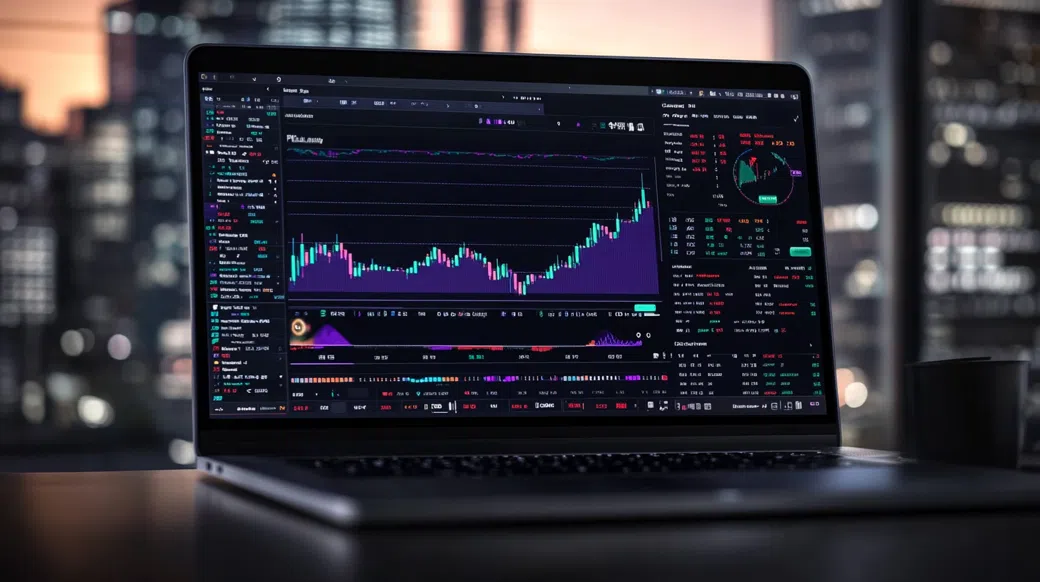
In WebTrader, the workflow is oriented around quick decision-making: watchlist on the left, chart center, ticket to the right. I ran a small EUR/USD market order around the London open and then placed a protective stop—fills were prompt, and I didn’t see the kind of repeated requote behavior that sometimes shows up with thinner offshore setups. Order types covered the essentials (market, limit, stop), though advanced algo tooling is naturally slimmer than what you’d build around MT5 or cTrader.
Cordex GPT App: Mobile Trading Experience
The Cordex GPT app mirrored the web layout closely, which matters when you’re switching screens mid-session. Cordex GPT login supported biometric unlock on my test device, and I could manage deposits and withdrawals from the same menu used for positions. One-tap close and price alerts were useful for risk control, although chart space feels tight in multi-indicator setups. Push notifications arrived reliably for order status updates.
Charting, Tools & Research
Tooling is practical rather than academic: a built-in economic calendar, a rolling news feed, and the usual indicator set (MA, RSI, MACD, Bollinger) with drawing tools for levels and channels. Alerts and custom watchlists are present, but systematic traders will still miss the broader plugin marketplace and strategy testing you get in established MT4/MT5 environments.
Cordex GPT Account Opening & Minimum Deposit
My signup started with the basics—email, password, and a short suitability-style questionnaire—followed by AML/KYC prompts inside the portal. Verification required a government-issued photo ID plus proof of address (I used a bank statement dated within three months). Approval landed the same business day, and the account area clearly showed which steps were “pending” versus completed, which I appreciate as a former fixed-income analyst who likes process visibility. In this Cordex GPT broker review 2026 context, the onboarding is functional rather than flashy.
- Minimum Deposit: $200 (this is the Cordex GPT minimum deposit I saw at funding)
- Funding Methods: Visa/Mastercard, bank wire, regional e-wallets, and crypto (BTC/USDT supported in my deposit screen)
- Demo Account: $10,000 virtual balance for testing spreads, margin, and order behavior
- Account Types: Standard (spread-only) and Raw/ECN-style (tight spreads + $7 round-turn commission)
One detail worth noting: the portal encourages you to complete KYC early, and that’s sensible—withdrawals are faster when the compliance box is already ticked. I also like that account currency options are presented upfront, which helps reduce accidental FX conversion costs later.
Cordex GPT Customer Support Review
Support was tested with a practical question: I asked live chat to clarify how swap/overnight fees are displayed for gold versus FX. A human agent came back in roughly three minutes with where to find the “swap long/short” fields on the instrument specs and a reminder that triple-swap can apply on certain days. I then sent an email ticket about withdrawal rails; the reply arrived about nine hours later with method-by-method timelines and the note that KYC must be fully approved before payout.
Coverage is what you’d expect for this segment: 24/5 live chat and email, with weekend availability thinner and sometimes routed through a lighter crew. Language support depends on region; English worked fine for me, while phone support wasn’t prominently offered in my locale. Relative to many offshore CFD providers, the tone felt service-oriented rather than sales-driven—which, in trading, is a small but meaningful trust signal.
Ready to Explore Cordex GPT?
If you’re considering this service, start by checking whether your country is eligible and compare Standard versus Raw/ECN pricing on the instruments you actually trade. I’d also recommend opening a demo first to see how spreads behave during your usual session window and news events.
Visit Cordex GPTCordex GPT Review FAQ
Is Cordex GPT good for beginners?
Yes, it can work for beginners who keep position sizes small and learn margin mechanics early. The interface is approachable, and the demo account with $10,000 virtual funds helps you practice without immediate financial pressure. The catch is leverage (up to 1:500) magnifies mistakes, so risk limits matter more than platform features.
Can I trade crypto on Cordex GPT?
Yes, crypto CFDs are available, including majors like BTC and ETH. You’re trading price exposure via CFD rather than holding coins on-chain, so there’s no wallet custody or blockchain transfers. Keep an eye on weekend spreads and financing if you hold positions for multiple days.
Is Cordex GPT a scam?
No, in my test it behaved like a functioning broker: I could deposit, trade, complete KYC, and initiate a withdrawal. The “Cordex GPT scam” question usually comes down to expectations—this is an offshore-registered CFD provider, not a Tier‑1 regulated bank-broker. Treat it accordingly: verify terms, document everything, and manage leverage.
Is Cordex GPT available in the USA?
No, it is not offered to US residents. The onboarding flow flags restricted jurisdictions, and KYC checks can reject accounts that don’t match eligibility rules. If you relocate, expect access rules to be re-evaluated.
How long does a Cordex GPT withdrawal take?
Most withdrawals are processed internally within 24–48 hours once KYC is approved. After that, receipt depends on the rail: cards commonly take 2–5 business days, bank wires 3–7 business days, and crypto transfers can arrive the same day. Times can stretch around weekends or if compliance requests extra documents.
What is the Cordex GPT minimum deposit?
The minimum deposit is $200. That threshold is reasonable for testing the platform, but it’s still enough to get into trouble if you use high leverage without a plan. Consider starting with the demo and then funding small until your execution and risk routines are stable.
Does Cordex GPT have a mobile app?
Yes, it offers mobile trading apps for iOS and Android. You can monitor quotes, manage orders, and handle funding tasks from the app, including withdrawals. For heavy chart work, WebTrader on a larger screen still feels more comfortable.
Final Verdict: Should You Use Cordex GPT in 2026?
Overall Score: 3.9/5
From a trader’s seat, the appeal is clear: a clean proprietary platform, respectable pricing on liquid markets, and account tiers that let you choose between simplicity and tighter spreads. The offshore framework (Seychelles FSA registration) is the line you should read twice—especially if you’re used to EU complaint channels and strict leverage caps. My small card deposit cleared quickly, and the withdrawal request followed the stated timeline after KYC, which helps the “is Cordex GPT legit” question. Still, CFDs are leveraged; one bad habit can do more damage than one bad spread. If you want to trial it, use Cordex GPT with a demo and treat leverage as a tool, not a lifestyle.
Best for: active CFD traders outside the USA who want a WebTrader/mobile workflow and optional Raw pricing. Avoid if: you require Tier‑1 regulation, deep research/education, or you’re prone to overleveraging.