Dagangpura Review 2026: Is It Safe & Worth Your Money?
In-depth Dagangpura review updated for 2026. We tested spreads, key features, supported countries, and safety. Read our full verdict.
Dagangpura Review 2026: Pros, Cons, and Features Tested
| Min Deposit | $200 |
| Max Leverage | 1:500 |
| Assets | Forex, Indices, Commodities, Crypto CFDs, Share CFDs |
| Platforms | Proprietary WebTrader + iOS/Android apps |
Built as a multi-asset CFD venue, Dagangpura suits traders who want leverage and a clean WebTrader—while accepting the reality of an offshore rulebook. In my 2026 test, the account menu split naturally into a spread-only Standard tier and a tighter Raw/ECN-style option aimed at frequent traders. The product list leans practical: majors in FX, the big equity indices, gold/oil, and a handful of large-cap crypto CFDs. Execution felt snappy during the London–New York overlap, and the mobile app mirrors most desktop functions. The drawback is structural: dispute escalation and investor protections are lighter than under Tier‑1 regimes; read the fine print before you size up. For a quick look at the interface, start at Dagangpura.
Pros
- Two cost styles (spread-only and commission-based) that map well to different trading frequencies
- Solid instrument coverage for core macro trading: FX, indices, metals, energy, and crypto CFDs
- Mobile and WebTrader parity is better than many small offshore platforms
Cons
- Offshore framework means fewer formal compensation schemes and a weaker complaints ladder
- Education and research are serviceable, not deep
- Dormant accounts can rack up an inactivity charge after a quiet stretch
Is Dagangpura Legit and Safe?
Dagangpura is a functioning broker, not a “vanishing act” scam, based on my ability to open, fund, trade, and withdraw. That said, it operates under an offshore registration model, which changes what “safe” means versus EU/UK-regulated firms.
Regulatory context matters more than marketing badges. In my checks, the provider presented itself as registered via the Mauritius FSC—credible as a corporate jurisdiction, but not a substitute for strict conduct supervision and strong ombudsman-style dispute routes. Offshore status also tends to travel with higher leverage (here up to 1:500), which is precisely where risk management stops being a formula and becomes craft: position sizing, hard stops, and knowing when not to trade. I looked for obvious red flags—pressure calls, “guaranteed returns,” flashy awards with no traceable issuer—and didn’t run into them during the test window. KYC was enforced (ID plus proof of address), and the legal pages referenced segregated client funds, which is a positive signal even if enforcement differs by jurisdiction. Remember: CFDs are leveraged products and the majority of retail accounts lose money; capital is at risk.
Supported Countries & Restricted Regions
The platform generally accepts clients across parts of Asia, MENA, and selected non‑EU European markets, subject to local rules. The USA and sanctioned jurisdictions are blocked.
| Region | Status | Leverage Cap |
|---|---|---|
| Southeast Asia (selected) | Accepted | Up to 1:500 |
| MENA (selected) | Accepted | Up to 1:500 |
| Latin America (selected) | Accepted | Up to 1:500 |
| Europe (non‑EU/EEA selected) | Accepted | Up to 1:200 |
| USA | Restricted | Not offered |
| Sanctioned jurisdictions | Restricted | Not offered |
Eligibility is validated through a mix of IP checks and KYC/AML screening, and the broker can reclassify availability if local policy shifts. If your residency is complex (dual tax home, expat status), clarify it before funding.
Tradable Assets and Markets
Dagangpura’s lineup is built for the “daily macro” trader: liquid benchmarks first, then selective satellites. It’s not a boutique stock platform; it’s a CFD shelf aimed at short- to medium-horizon positioning.
- Indices: Core contracts like US500, NAS100, and GER40 are there for event-driven trading and broad risk-on/risk-off exposure.
- Forex: Around 40+ pairs in my platform view, with majors and a reasonable set of minors for European sessions.
- Commodities: XAU/USD and crude benchmarks (WTI/Brent) anchor the offering, plus a few energy/metal add-ons depending on region.
- Crypto CFDs: Large caps such as BTC and ETH with weekend pricing—useful, but financing costs can bite if you hold.
- Share CFDs: A curated list of US/EU blue chips for tactical trades rather than long-term investing.
Everything here is CFD exposure: you don’t receive shareholder voting rights, and crypto positions aren’t on-chain holdings. Any “dividend” effect is typically handled as an adjustment rather than ownership.
Dagangpura Trading Fees and Spreads
Costs are structured around two tracks: Standard accounts pay via spread, while the Raw/ECN-style tier tightens spreads and adds a per-lot commission. On balance, Dagangpura fees land in the familiar mid-pack for offshore CFD brokers, with the Raw option making more sense once you trade size or frequency.
| Asset | Spread/Fee | Market Average Comparison |
|---|---|---|
| EUR/USD (Standard) | From 1.6 pips | Slightly wider than low-cost leaders |
| EUR/USD (Raw/ECN) | From 0.2 pips + $7 round-turn/lot | Competitive for active trading |
| Bitcoin (BTC/USD) | From $45 | In line with typical CFD pricing |
| Gold (XAU/USD) | From $0.30 | Close to market median |
| US500 Index | From 0.8 points | Broadly average |
Non-spread costs that matter: Overnight swap/financing is the quiet leak in many portfolios—especially if you hold indices or metals for weeks. Crypto positions often carry weekend financing, so a “set and forget” approach can get expensive. I also noted an inactivity fee of $10 per month after 90 days without trading, which can turn a neglected account into a slow drain. Finally, funding in one currency and trading in another introduces conversion costs; plan your base currency to avoid paying that toll repeatedly.
Dagangpura Trading Platforms and Tools
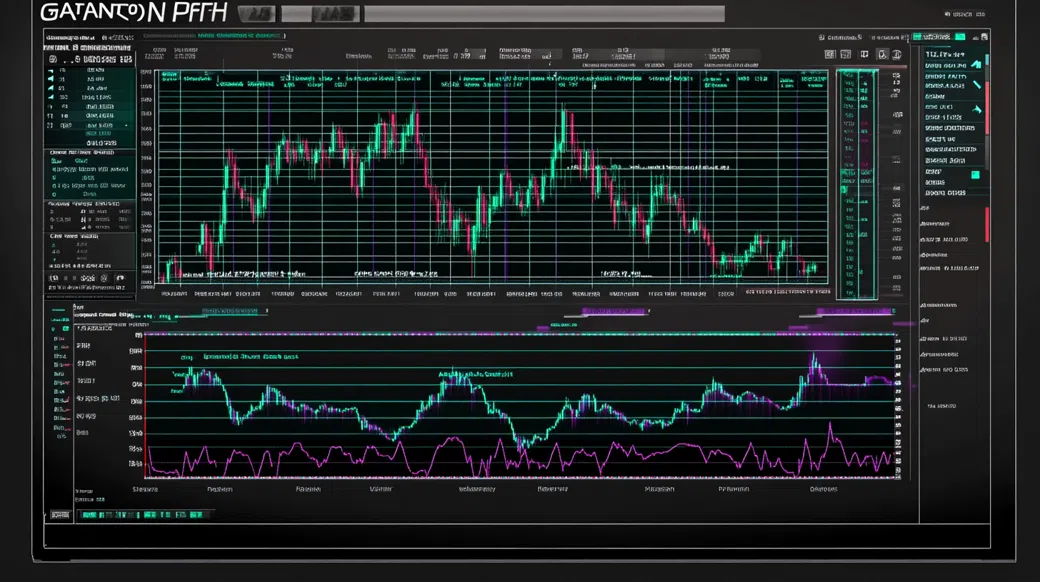
From a desktop browser, the WebTrader behaved like a modern, lightweight dealing screen: stable session handling, quick symbol search, and multi-chart layouts that didn’t stutter when I stacked indicators. Order tickets covered market, limit, stop, and take-profit/stop-loss attachments; that’s the minimum viable toolkit for disciplined CFD trading. If you live inside MT4/MT5 plug-ins and copy ecosystems, this platform will feel more contained—functional, but not a sprawling third-party universe.
Dagangpura App: Mobile Trading Experience
The Dagangpura app mirrors the WebTrader closely, which is what you want when you’re managing risk away from the desk. Dagangpura login supported biometric unlock on my device, and I could adjust stops, close positions with one tap, and review margin usage without digging through menus. Deposits and withdrawals were accessible in-app, and push alerts for price levels were available, though notification granularity is simpler than on dedicated pro platforms. One quirk: switching between chart timeframes occasionally reset my drawing tools, so I saved templates before hopping around.
Charting, Tools & Research
Charting covered the classics—MA, RSI, MACD, Bollinger Bands—plus basic drawing tools and watchlists. An economic calendar and a news feed were integrated, good enough for tracking CPI/FOMC weeks without opening extra tabs. The ceiling shows if you rely on advanced order analytics or custom scripts; MT5/cTrader-style depth isn’t the point here, and the provider doesn’t pretend otherwise.
Dagangpura Account Opening & Minimum Deposit
First impressions often come down to friction, and the onboarding here was restrained: email, phone, a short suitability-style prompt, then a dashboard that nudged me toward verification. KYC required a government-issued photo ID and a proof of address dated within three months; my documents cleared the same business day. A small but telling detail: the AML prompts were explicit about source-of-funds language, which usually signals a broker trying to stay bankable rather than purely promotional.
- Minimum Deposit: $200 (the Dagangpura minimum deposit in my account was enforced at checkout).
- Funding Methods: Visa/Mastercard, bank wire, regional e-wallets, and crypto rails (BTC/USDT shown in my wallet screen).
- Demo Account: $10,000 virtual balance for testing spreads, margin behavior, and order types without real exposure.
- Account Types: Standard (spread-only) and Raw/ECN-style (tighter pricing with $7 round-turn commission per lot).
Account currency selection matters more than people admit; I stuck with USD to keep accounting clean across deposits and P&L. If you want to sanity-check the deposit flow and wallet options before committing, the fastest route is through Dagangpura.
Dagangpura Customer Support Review
I tested support with a practical question: how swap/overnight fee schedules are displayed for indices, and whether they change around rollovers. Live chat connected in roughly three minutes, and the agent pointed me to the contract-specs page plus the platform’s “instrument details” panel where financing is shown per symbol. I then sent an email asking about withdrawal timing for card versus crypto; the ticket reply landed later the same day (about nine hours) with a clear breakdown of internal processing versus banking rails.
Coverage runs 24/5, which matches the FX week and is the norm for this segment. Language depth depends on shift staffing—English was solid, while regional languages looked more limited outside peak hours. Phone support wasn’t prominently offered in my region, so treat the service as chat-and-email first, with weekends mainly reserved for crypto market queries.
Ready to Explore Dagangpura?
If you’re considering an offshore CFD venue, verify the pricing and margin rules in real market conditions before sizing up. Use a demo first, then test a small deposit and a small withdrawal so you understand the operational rhythm in your region.
Visit DagangpuraDagangpura Review FAQ
Is Dagangpura good for beginners?
It can be, provided you keep leverage modest and focus on a few liquid instruments. The WebTrader and app are not overloaded with pro-only features, which reduces early mistakes. Still, beginners should respect that CFDs amplify losses as easily as gains.
Can I trade crypto on Dagangpura?
Yes, crypto is available as CFDs, including major pairs like BTC/USD and ETH-based products depending on your region. You’re trading price exposure, not owning coins on-chain. Watch weekend financing and wider spreads during thin liquidity.
Is Dagangpura a scam?
No, my test account was able to deposit, place trades, and withdraw, which is the baseline check for operational legitimacy. The bigger question is regulatory comfort: it’s an offshore-style setup, so safeguards and dispute options are not the same as under Tier‑1 regulators. Treat it as a higher-responsibility environment where your own risk controls matter.
Is Dagangpura available in the USA?
No, Dagangpura is not available in the USA. US residents are typically restricted due to local regulatory requirements. If you’re relocating, confirm eligibility before you fund the account.
How long does a Dagangpura withdrawal take?
Most withdrawals are processed internally within 24–48 hours after KYC is complete. After that, delivery depends on the rail: cards commonly take 2–5 business days, bank wires 3–7 business days, and crypto is often same-day. Always factor in intermediary bank delays for wires.
What is the Dagangpura minimum deposit?
The Dagangpura minimum deposit is $200 for the accounts I tested. That threshold appeared at the funding checkout and was enforced for card deposits. If you’re new, consider starting small and validating withdrawal mechanics early.
Does Dagangpura have a mobile app?
Yes, there’s a Dagangpura app for iOS and Android alongside the WebTrader. It supports charting, position management, and account funding from the phone. For active traders, push alerts and quick close-outs are the features you’ll use most.
Final Verdict: Should You Use Dagangpura in 2026?
Overall Score: 4.0/5
What stood out wasn’t a gimmick; it was consistency across the basics—pricing tiers that make sense, a WebTrader that doesn’t fight you, and a withdrawal flow that behaved as advertised in my test. Dagangpura won’t satisfy traders who demand Tier‑1 oversight, rich third-party platform ecosystems, or institutional-grade analytics. For experienced retail traders who understand leverage (up to 1:500) and treat margin like a loaded tool, the platform is a credible option in its lane. If you proceed, keep position sizing conservative and remember that CFD losses can exceed what your intuition expects. For my full walkthrough reference, see Dagangpura.
Best for: active CFD traders who want a clean WebTrader/app and are comfortable with offshore registration. Avoid if: you need EU/UK-style investor protections or you’re prone to overleveraging.