Fiducenza Review 2026: Is It Safe & Worth Your Money?
In-depth Fiducenza review updated for 2026. We tested spreads, key features, supported countries, and safety. Read our full verdict.
Fiducenza Review 2026: Pros, Cons, and Features Tested
| Min Deposit | $200 |
| Max Leverage | 1:500 |
| Assets | Forex, Indices, Commodities, Crypto CFDs, Share CFDs |
| Platforms | WebTrader, iOS app, Android app |
Built as a multi-asset CFD venue, Fiducenza suits traders who want broad market access with high leverage, but who accept an offshore-style safety framework as the price of that flexibility. In my test, the account tiers split cleanly into a spread-only Standard and a tighter-spread Raw/ECN-style option geared toward frequent execution. The lineup leans practical—majors, key indices, metals, and the usual crypto CFDs—wrapped in a proprietary WebTrader plus mobile apps. The main attraction is the simple platform stack with respectable pricing on the Raw side; the main drawback is that dispute escalation and investor protections are not on the same footing as top-tier EU brokers. For the current onboarding flow and terms, I used Fiducenza.
Pros
- Two pricing styles (Standard vs Raw/ECN) that map well to casual vs active trading
- Solid multi-asset CFD menu, including major indices and liquid commodities
- Mobile apps cover the essentials, including order management and funding
Cons
- Offshore registration model means thinner compensation and complaint routes
- Education/research is functional, not deep enough for serious macro prep
- Dormant accounts can incur an inactivity charge after prolonged idling
Is Fiducenza Legit and Safe?
Fiducenza appears operational rather than a “Fiducenza scam” based on my ability to verify KYC, trade, and withdraw funds. That said, it runs under an offshore framework, so “safe” depends more on your own risk controls than on strong regulator backstops.
From the legal footer and onboarding disclosures, the provider presents itself under a Mauritius FSC registration model, which is common in international CFD brokerage ecosystems. In practice, that typically buys you higher leverage (up to 1:500 here) and a lighter product shelf, but you give up the kind of formal investor compensation schemes and tight conduct enforcement you’d expect from Tier-1 jurisdictions. During my check for red flags, I looked for aggressive “account manager” pressure, dubious trophies, and blocked withdrawals; nothing jumped out—KYC was required (ID plus proof of address), and the platform language referenced segregated client funds. Still, offshore dispute escalation can be slower and less predictable, so size positions accordingly. CFDs are leveraged products: most retail accounts lose money, and you can burn capital fast if margin calls arrive in a volatile tape.
Supported Countries & Restricted Regions
This broker generally accepts clients across parts of Europe (outside the strictest regimes), MENA, LATAM, and Southeast Asia, while the USA and sanctioned jurisdictions are off-limits.
| Region | Status | Leverage Cap |
|---|---|---|
| Europe (non-EU/EEA focus) | Accepted | Up to 1:500 |
| Middle East & North Africa (MENA) | Accepted | Up to 1:500 |
| Latin America | Accepted | Up to 1:500 |
| Southeast Asia | Accepted | Up to 1:500 |
| USA | Restricted | Not offered |
| Sanctioned jurisdictions | Restricted | Not offered |
Eligibility is enforced through a mix of IP checks and identity verification, and the KYC step tends to surface country mismatches quickly. Policies can shift with AML expectations, so treat “accepted” as conditional until your documents are reviewed.
Tradable Assets and Markets
The product set is built for CFDs across the high-liquidity hits—more “macro toolkit” than niche-stock playground. If you’re coming from Nordic equities, think of this as a leveraged overlay rather than an investing home.
- Indices: US500, NAS100, US30, plus staples like GER40 and UK100 for broad beta and event-driven positioning.
- Forex: A core list of majors and minors with enough breadth for EUR- and USD-centric strategies, plus a sprinkling of higher-vol pairs.
- Commodities: Gold and silver for risk-off/risk-on rotations, alongside crude benchmarks (WTI/Brent) that react cleanly to inventory headlines.
- Crypto CFDs: BTC and ETH lead the pack, with a few large-cap alternatives suited to shorter holding periods due to financing costs.
- Share CFDs: Selected US/EU blue chips for tactical earnings trades without building a long-only portfolio.
All exposure is via CFDs, meaning you’re trading price movement, not acquiring shareholder rights or on-chain crypto. Dividends and corporate actions are typically reflected as cash adjustments rather than true ownership benefits.
Fiducenza Trading Fees and Spreads
Pricing is split between a spread-only Standard account and a Raw/ECN-style option where spreads tighten and a commission is charged per lot. On my EUR/USD checks, the Standard spread sat in the “typical offshore CFD” band, while the Raw account’s all-in cost felt more competitive for repeat traders.
| Asset | Spread/Fee | Market Average Comparison |
|---|---|---|
| EUR/USD (Standard) | From 1.6 pips | In line with typical CFD brokers |
| EUR/USD (Raw/ECN) | From 0.2 pips + $7 round-turn/lot | Often cheaper for active traders |
| Bitcoin (BTC/USD) | From $35 | Broadly in the middle of the pack |
| Gold (XAU/USD) | From $0.35 | Competitive vs many offshore peers |
| US500 Index | From 0.8 points | Comparable to segment averages |
Non-spread costs that matter: overnight swap/financing can dominate your P&L if you hold leveraged FX or indices for days, and weekend financing tends to bite harder on crypto CFDs. The inactivity fee in my account area was listed as $10 per month after 90 days without trading. On withdrawals, fees looked method-dependent (cards vs wire vs crypto), and funding in a non-base currency introduces conversion costs that don’t show up in the headline spread.
Fiducenza Trading Platforms and Tools
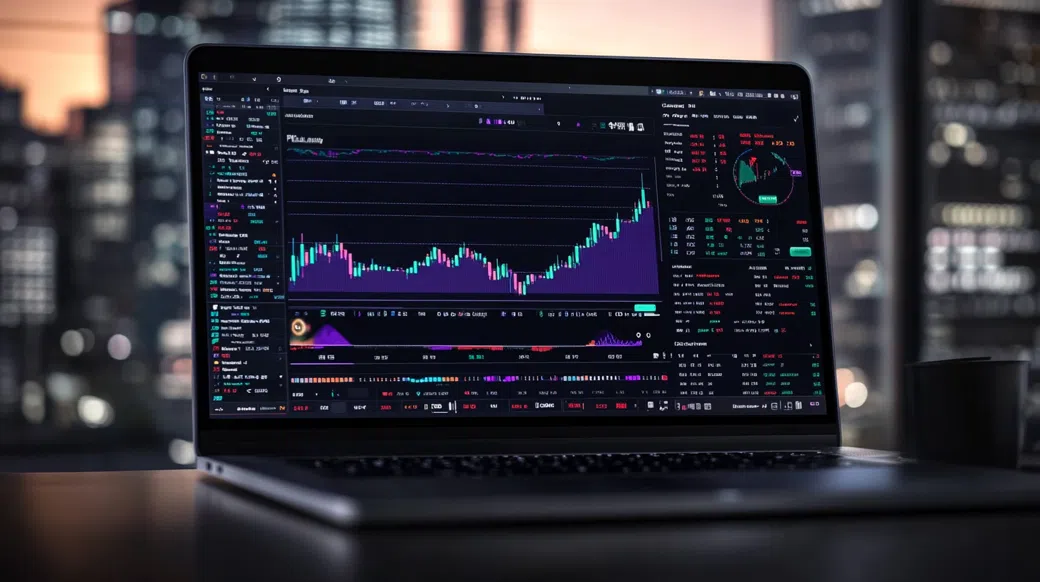
On desktop, the WebTrader behaved like a modern, lightweight dealing screen: stable session handling, watchlists on the left, and chart + ticket integration without clutter. I placed a small US500 market order during the New York/London overlap and watched execution prints land without any theatrical “requote” prompts; the fill was consistent with the spread shown, with minor slippage when volatility picked up. If you live in the MT4/MT5 ecosystem—custom EAs, plug-ins, or deep community tooling—this proprietary setup will feel more contained, even if it covers the essentials.
Fiducenza App: Mobile Trading Experience
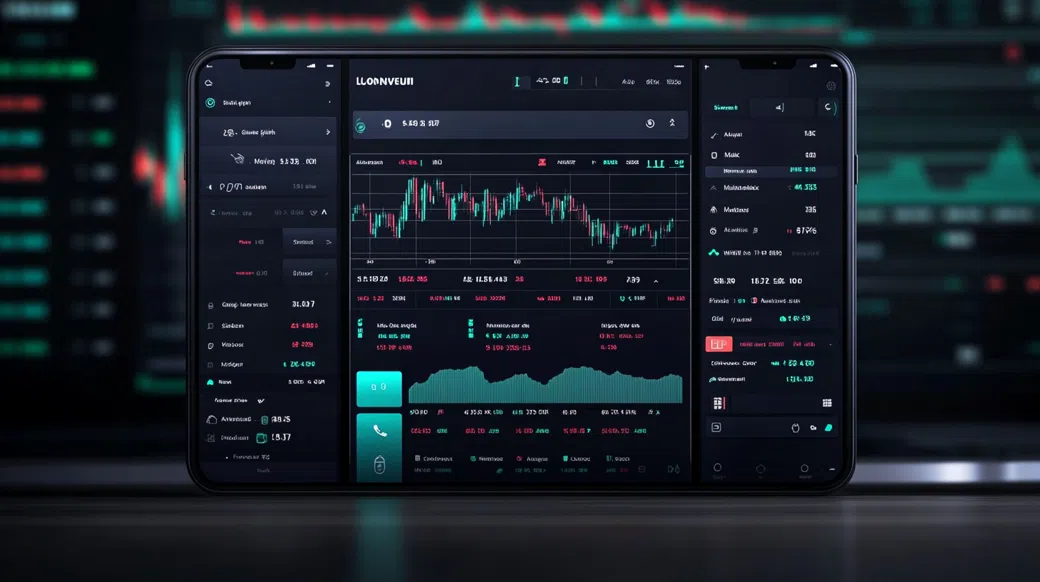
The Fiducenza app is built for monitoring and fast decision-making rather than deep analysis: real-time quotes, quick position edits, and one-tap close are all there. Fiducenza login on my iPhone supported biometric unlock, which is exactly what I want when I’m checking exposure on a commute in Stockholm. Deposits and withdrawals are reachable from the same navigation layer, and push notifications can be enabled for order status—useful, though I’d still avoid managing complex hedges purely from a phone.
Charting, Tools & Research
Charting includes the expected indicator shelf (moving averages, RSI, MACD, Bollinger) plus basic drawing tools for levels and channels. You also get an economic calendar and a rolling news feed; it’s enough to keep you aware of CPI/FOMC-style landmines, but not enough to replace a dedicated macro terminal. For traders who rely on alerts, watchlists are easy to build, while advanced analytics remains a step behind cTrader/MT5-grade environments.
Fiducenza Account Opening & Minimum Deposit
Instead of an endless questionnaire, the signup asked for the practical minimum—email, phone, country selection, and trading experience prompts—before pushing me into identity checks. KYC required a government-issued photo ID and a proof of address dated within three months; my verification cleared within the same business day after upload. As always with offshore onboarding, treat AML questions seriously: inconsistent details tend to delay withdrawals later.
- Minimum Deposit: $200 (the Fiducenza minimum deposit in my test account)
- Funding Methods: Visa/Mastercard, bank wire, regional e-wallets, and crypto deposits (BTC/USDT)
- Demo Account: $10,000 virtual balance—useful for learning margin behavior and testing order tickets
- Account Types: Standard (spread-only) and Raw/ECN-style (tighter spreads + commission)
One practical note: base currency choices matter more than most people think, because conversions quietly tax frequent funding. When I ran through the deposit screen, the confirmation steps were clear, and the client area kept a tidy ledger of transfers. For a quick look at the current onboarding path, I referenced Fiducenza.
Fiducenza Customer Support Review
I tested live chat with a very trader-ish question: where the swap rates were displayed for holding EUR/USD overnight and whether triple-swap timing applied mid-week. The first reply arrived in about three minutes, and the agent pointed me to the symbol-spec panel plus a short explanation of how financing is applied. I then emailed a follow-up about withdrawal rails for cards versus USDT; the ticket was answered in roughly nine hours with a clean, non-salesy checklist.
Support availability is aligned with the market week—24/5 coverage with a clear drop-off over weekends. Language coverage felt serviceable in English, while phone access looked region-dependent rather than a universal promise. Relative to this segment, the key is consistency: you get usable operational answers, but don’t expect the kind of granular best-execution reporting you’d demand from a top-tier European venue.
Ready to Explore Fiducenza?
If you’re considering an offshore CFD account, start by validating your region, then open a demo and compare spreads during the sessions you actually trade. It’s also worth checking swap/financing on the instruments you hold overnight before you commit real capital.
Visit FiducenzaFiducenza Review FAQ
Is Fiducenza good for beginners?
It can be, provided you keep position sizing small and understand margin mechanics first. The WebTrader is approachable and the $10,000 demo helps, but the leverage ceiling (up to 1:500) is not beginner-friendly if used carelessly. New traders should treat risk management as a craft—start with a plan, not with maximum leverage.
Can I trade crypto on Fiducenza?
Yes, crypto is available as CFDs, with BTC and ETH as the main contracts and a handful of additional large caps. You’re speculating on price movement rather than owning coins on-chain. Pay attention to weekend financing, which can be a bigger drag than the headline spread.
Is Fiducenza a scam?
No—based on my test, it behaved like a functioning broker: KYC was enforced, trades executed, and withdrawals followed a documented process. The more relevant question is “is Fiducenza legit under strong regulation?”—it operates via an offshore registration model, which means fewer formal protections than Tier-1 jurisdictions. Treat it as higher-risk infrastructure and size accordingly.
Is Fiducenza available in the USA?
No, the USA is restricted and the product is not offered there. This is typical for offshore CFD brokers given US regulatory requirements. If you attempt signup from the US, eligibility checks are likely to block account activation.
How long does a Fiducenza withdrawal take?
A Fiducenza withdrawal typically clears internal processing within 24–48 hours after KYC is complete. After that, the delivery time depends on the rail: cards often take 2–5 business days, bank wires 3–7 business days, and crypto transfers are frequently same-day. I’d plan for longer around weekends and compliance checks.
What is the Fiducenza minimum deposit?
The minimum deposit is $200 on the account path I tested. That level is workable for learning, but it doesn’t justify high leverage—risk per trade should still be kept tight. If you fund in a different currency, remember that conversion fees can reduce your effective starting balance.
Does Fiducenza have a mobile app?
Yes, there are iOS and Android apps alongside the WebTrader. The mobile experience covers quotes, charting, and position controls, plus funding and withdrawal access in the client area. For complex analysis, you’ll still prefer desktop screen real estate.
Final Verdict: Should You Use Fiducenza in 2026?
Overall Score: 4.0/5
My takeaway is that the platform is best treated as a lean CFD execution venue: decent instrument coverage, sensible account tiering, and a WebTrader/mobile stack that doesn’t fight you. I’d be comfortable using it for shorter-horizon FX and index trades where costs are transparent and exits are planned, and my test withdrawal timeline matched the stated windows. The offshore setup is the pivot point—if you need Tier-1 protections, look elsewhere; if you can manage risk like a craft, Fiducenza can do the job. CFDs are leveraged and capital is at risk.
Best for: active CFD traders who want Raw-style pricing and broad majors/indices access. Avoid if: you require Tier-1 regulation, extensive research, or you’re prone to overusing 1:500 leverage.