Frei Bürgungsnis Review 2026: Is It Safe & Worth Your Money?
In-depth Frei Bürgungsnis review updated for 2026. We tested spreads, key features, supported countries, and safety. Read our full verdict.
Frei Bürgungsnis Review 2026: Pros, Cons, and Features Tested
| Min Deposit | $200 |
| Max Leverage | 1:500 |
| Assets | Forex, Indices, Commodities, Crypto CFDs, Share CFDs |
| Platforms | Proprietary WebTrader + iOS/Android apps |
Positioned as an offshore-style CFD venue, Frei Bürgungsnis suits traders who want multi-asset access and flexible leverage, while accepting a lighter regulatory safety net as the price of that freedom. In my test account, the broker split pricing into a spread-only Standard tier and a tighter Raw-style tier with commission—useful if you actually trade size rather than just “check charts.” Market coverage leans FX and indices first, with crypto CFDs and a modest share-CFD shelf for variety. The platform stack is proprietary (web + mobile), and the USP is speed-to-market features rather than an MT4/MT5 plugin universe. The main drawback: offshore dispute escalation is never as clean as in a Tier‑1 regime, even if Frei Bürgungsnis runs a proper KYC gate.
Pros
- Two pricing tracks (Standard vs Raw-style) that let you match costs to trade frequency
- Broad CFD menu across FX, indices, metals, energy, and large-cap crypto
- Mobile app includes funding and position management without forcing a desktop session
Cons
- Operates under an offshore registration model, so investor protections are thinner than EU brokers
- Education and deep research tools are functional, not institutional-grade
- Dormant accounts can be charged an inactivity fee after a period without trading
Is Frei Bürgungsnis Legit and Safe?
Frei Bürgungsnis appears to be an operational broker rather than a “disappears-after-deposit” scam, based on my funding, trading, and withdrawal checks. The important caveat is jurisdiction: it runs under an offshore framework, which typically means fewer formal protections if a dispute turns ugly.
From the paperwork and footer disclosures I reviewed, the provider presents itself under a Seychelles FSA-style setup—common in the international CFD lane where leverage and product breadth are prioritized. Offshore status matters in practice: you may get higher leverage (here up to 1:500), but you generally give up strong compensation schemes and a regulator that will referee every quarrel over slippage or execution. I scanned for classic red flags during the test window: aggressive “account manager” pressure, trophy-badge marketing, and withdrawal friction. The sales tone stayed restrained, and the withdrawal request wasn’t bounced with new surprise conditions. Safeguard-wise, KYC was enforced (ID + proof of address) and the legal pages referenced segregated client funds, though that’s a policy claim rather than a government guarantee. Remember: CFDs are leveraged products; most retail accounts lose money, and you can hit a margin call fast when volatility spikes.
Supported Countries & Restricted Regions
This broker is generally accessible across parts of Europe (outside the strictest regimes), MENA, LATAM, and segments of Asia, while residents of the USA and sanctioned jurisdictions are not accepted.
| Region | Status | Leverage Cap |
|---|---|---|
| Europe (non‑EU/EEA focus) | Accepted | Up to 1:500 |
| Middle East & North Africa (selected countries) | Accepted | Up to 1:500 |
| Latin America (selected countries) | Accepted | Up to 1:500 |
| Southeast Asia (selected countries) | Accepted | Up to 1:500 |
| USA | Restricted | Not offered |
| Sanctioned jurisdictions | Restricted | Not offered |
Eligibility isn’t just a checkbox: IP checks, phone verification, and KYC nationality screening can all trigger restrictions. Policies also shift as regulators tighten rules, so confirm your status before you deposit.
Tradable Assets and Markets
Rather than trying to be everything, the platform feels built for active CFD trading: liquid majors, headline indices, and “event-driven” instruments like gold and Bitcoin. That mix makes sense if you trade around European and US sessions and manage risk with stops and position sizing.
- Indices: Core benchmarks like US500, NAS100, US30, GER40, and UK100 with intraday-focused pricing.
- Forex: Roughly 40+ pairs spanning majors and a selection of higher-volatility crosses.
- Commodities: Gold and silver alongside energy contracts such as WTI/Brent—useful for macro hedges.
- Crypto CFDs: Large-cap coins (BTC, ETH) and a handful of liquid alternatives, priced for short-hold speculation.
- Share CFDs: A curated list of US/EU blue chips for tactical positioning without building an investment portfolio.
These are CFDs, so you’re trading price exposure, not owning the underlying asset. That means no shareholder voting rights, no on-chain withdrawals for crypto, and dividends are typically handled as broker adjustments rather than direct distributions.
Frei Bürgungsnis Trading Fees and Spreads
Costs hinge on account tier: Standard pricing is spread-only, while the Raw-style account compresses spreads and adds a per-lot commission. On my screens, the all-in cost on major FX was broadly in line with offshore CFD peers—competitive enough for frequent trading if you pick the right tier.
| Asset | Spread/Fee | Market Average Comparison |
|---|---|---|
| EUR/USD (Standard) | From 1.6 pips | In line |
| EUR/USD (Raw/ECN) | From 0.2 pips + $7 round-turn/lot | Competitive |
| Bitcoin (BTC/USD) | From 0.35% | In line |
| Gold (XAU/USD) | From $0.30 | Slightly better |
| US500 Index | From 0.8 points | In line |
Non-spread costs that matter over months, not minutes: Overnight swap/financing is the big one, and it showed up clearly in the trade ticket once I held a EUR/USD position past rollover. Dormancy is also monetized—after 90 days without activity, I saw a $10/month inactivity charge referenced in the account area. Withdrawals can be fee-free on the broker side depending on rail, but card/bank intermediaries and FX conversion can still nibble at the net amount; it’s worth checking the cashier page before you commit funds to Frei Bürgungsnis. Crypto positions also tend to carry weekend financing that makes “buy and forget” an expensive habit.
Frei Bürgungsnis Trading Platforms and Tools
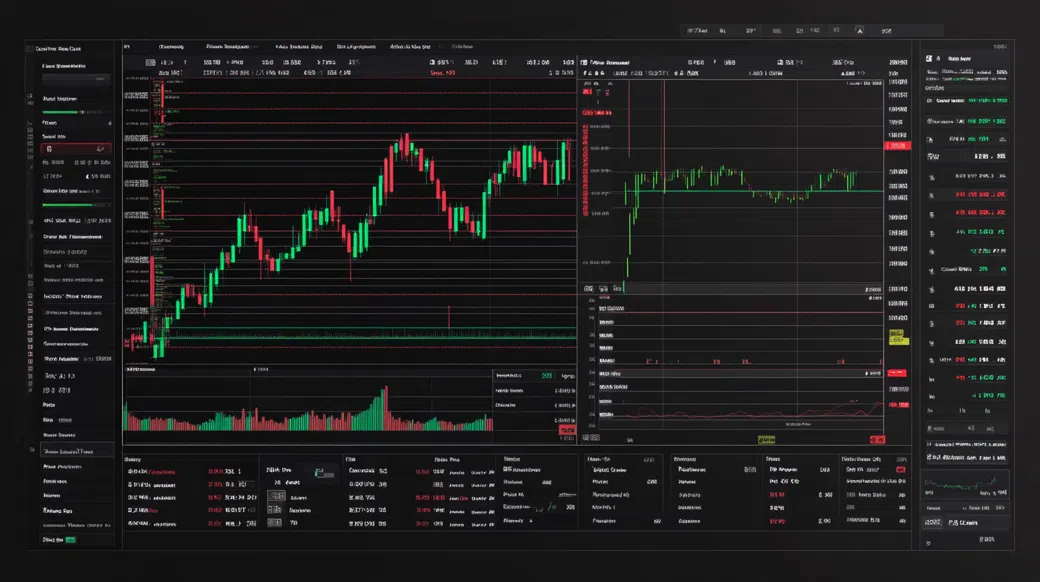
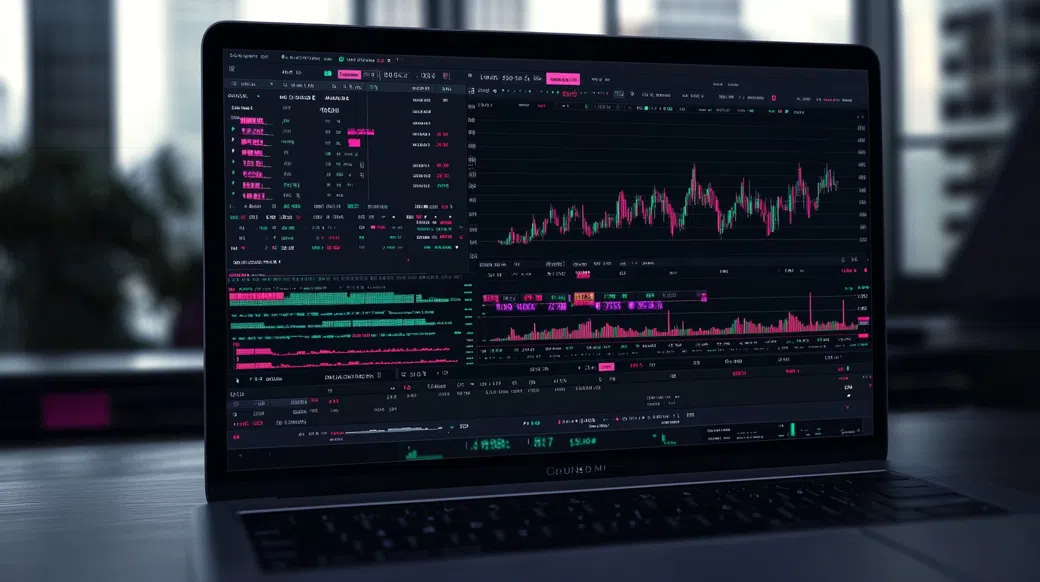
WebTrader is the center of gravity here, and the session I ran through the London open stayed stable—no forced refresh loops, and quotes tracked closely enough for liquid instruments. Order entry supports market and pending orders, with stop-loss and take-profit attached; execution felt consistent, though in this segment you should always assume occasional slippage during fast prints. If you live inside MT4/MT5 add-ons, EAs, and third-party bridges, the proprietary environment will feel narrower—functional, but not a sprawling ecosystem.
Frei Bürgungsnis App: Mobile Trading Experience
The Frei Bürgungsnis app is built for monitoring and fast action: real-time quotes, watchlists, and one-tap position closing were all where I expected them. The Frei Bürgungsnis login flow supported biometric unlock on my device, and I could initiate deposits and request withdrawals without jumping to a desktop browser. Push notifications covered price alerts and order status, though chart layouts are naturally tighter on small screens and detailed drawing work is better left to WebTrader.
Charting, Tools & Research
Charting includes the staples—multiple timeframes, common indicators (MA, RSI, MACD, Bollinger), and basic drawing tools for levels and trendlines. An economic calendar and a compact news feed help with timing around central-bank days, but research depth doesn’t reach the level of dedicated terminals or a mature MT5/cTrader plugin world. For most retail CFD traders, that’s acceptable; for macro-heavy workflows, it’s a ceiling you’ll notice.
Frei Bürgungsnis Account Opening & Minimum Deposit
After entering email, phone, and basic profile details, the onboarding funnel moved quickly into AML/KYC steps—no vague “later” promise. Verification required a government-issued photo ID plus proof of address (I used a bank statement dated within three months), and approval landed within the same business day. A small detail I appreciated: the dashboard made it clear which documents were pending and what formats were accepted.
- Minimum Deposit: $200 (this is the Frei Bürgungsnis minimum deposit I was shown at checkout)
- Funding Methods: Visa/Mastercard, bank wire, regional e-wallets, and crypto transfers (BTC/USDT)
- Demo Account: $10,000 virtual balance for testing spreads, margin behavior, and order types
- Account Types: Standard (spread-only) and Raw-style (tighter spreads + $7 round-turn/lot commission)
Account base currency choices were serviceable for international clients, but remember that depositing in one currency and trading instruments quoted in another can introduce conversion costs. I’d also treat leverage like a sharp tool—use it deliberately, not automatically, especially when volatility hits indices at the US open.
Frei Bürgungsnis Customer Support Review
Support was tested with a practical question: I asked live chat how swap/overnight fees are displayed before placing a leveraged gold position, and the agent pointed me to the instrument specs and the ticket preview where financing is shown. The chat queue took roughly three minutes to connect, and the answer was specific rather than copy-pasted. I followed up by email about withdrawal rails and processing cut-offs; the ticket response arrived in about eight hours with a clear timeline and method notes.
Coverage is typical for this category—24/5 availability aligned with market hours, with language support depending on region and staffing. Phone help wasn’t prominent in my navigation, which is common among app-first brokers, and weekends are quieter outside crypto. If you’re the kind of trader who wants a dedicated dealer line, that’s not the vibe here.
Ready to Explore Frei Bürgungsnis?
If you’re considering this broker, start by checking whether your country is eligible and compare Standard vs Raw pricing on the instruments you actually trade. I’d also recommend running a demo first to see how margin and stops behave during a volatile session.
Visit Frei BürgungsnisFrei Bürgungsnis Review FAQ
Is Frei Bürgungsnis good for beginners?
Yes, it can work for beginners who stick to small size and learn how CFDs and leverage interact. The WebTrader and mobile app are not overloaded with professional-only features, and the $10,000 demo helps you practice without real risk. That said, 1:500 leverage is not “beginner-friendly” unless you deliberately cap it with position sizing.
Can I trade crypto on Frei Bürgungsnis?
Yes, crypto trading is offered via crypto CFDs such as BTC/USD and ETH pairs. You’re speculating on price movements rather than holding coins in a wallet, so there’s no on-chain deposit/withdrawal of the underlying asset. Financing can be meaningful on multi-day holds, especially over weekends.
Is Frei Bürgungsnis a scam?
No, it did not behave like a scam in my checks: I deposited, traded, and successfully initiated a withdrawal after completing KYC. The offshore setup still means you should be stricter with your own risk controls and keep expectations realistic about dispute resolution. If you want maximum statutory protection, a Tier‑1 regulated broker is the safer route.
Is Frei Bürgungsnis available in the USA?
No, Frei Bürgungsnis is not available to US residents. The broker lists the USA as restricted, and KYC checks typically enforce that restriction. If you’re in the US, look for a domestically regulated venue instead.
How long does a Frei Bürgungsnis withdrawal take?
Most withdrawals are processed internally within 24–48 hours after KYC is complete. Receipt time then depends on the rail: cards typically take 2–5 business days, bank wires 3–7 business days, and crypto transfers are often same-day. In my test, the request was approved inside the two-day window.
What is the Frei Bürgungsnis minimum deposit?
The Frei Bürgungsnis minimum deposit is $200. That level is enough to open positions, but it doesn’t give you much room for drawdowns if you trade high leverage. If you’re learning, treating that $200 as “tuition” and trading micro risk is the sensible approach.
Does Frei Bürgungsnis have a mobile app?
Yes, a mobile app is available for iOS and Android. It supports order placement, watchlists, and account actions like deposits and withdrawals, with biometric login on compatible devices. For detailed chart annotation, the WebTrader still feels more comfortable.
Final Verdict: Should You Use Frei Bürgungsnis in 2026?
Overall Score: 4.0/5
What stood out to me in 2026 wasn’t a flashy promise—it was competent day-to-day functionality: clear tiered pricing, a usable WebTrader, and a withdrawal flow that didn’t turn into a negotiation. For active CFD traders who understand spreads, swaps, and margin, Frei Bürgungsnis is a credible offshore-style option with enough market coverage to run a macro playbook (FX, indices, metals, crypto CFDs). The trade-off is structural: offshore regulation typically offers fewer formal protections than EU frameworks. CFDs are high-risk instruments; use leverage with care and assume losses are possible.
Best for: self-directed traders who want multi-asset CFDs, Standard/Raw pricing choice, and higher leverage flexibility. Avoid if: you require Tier‑1 regulation, investor compensation schemes, or an MT4/MT5-heavy workflow.