Kapitecto Review 2026: Is It Safe & Worth Your Money?
In-depth Kapitecto review updated for 2026. We tested spreads, key features, supported countries, and safety. Read our full verdict.
Kapitecto Review 2026: Pros, Cons, and Features Tested
| Min Deposit | $200 |
| Max Leverage | 1:500 |
| Assets | Forex, Indices, Commodities, Crypto CFDs, Share CFDs |
| Platforms | WebTrader + iOS/Android apps |
Built as a multi-asset CFD venue with an offshore backbone, Kapitecto suits traders who want flexible leverage and a clean WebTrader—while accepting that investor protections won’t match an EU brokerage. In my 2026 walkthrough with Kapitecto, the account tiers were clearly split between a spread-only Standard setup and a tighter-spread Raw/ECN-style option. The instrument list leans practical: majors in FX, the usual index benchmarks, metals and oil, plus liquid crypto CFDs. The platform stack is proprietary (web + mobile), which keeps things tidy, but you sacrifice the plug-and-play ecosystem that comes with MT4/MT5.
Pros
- Two pricing tracks (Standard vs. Raw/ECN-style) that make costs easier to match to trading frequency
- Good cross-asset coverage for a single-margin account (FX, indices, metals, crypto CFDs)
- Mobile and web platform felt consistent in layout, watchlists, and order management
Cons
- Offshore registration model means weaker dispute escalation and no EU-style compensation scheme
- Platform is proprietary—MT4/MT5 compatibility wasn’t something I could confirm in-platform
- Dormant accounts can be charged an inactivity fee, which adds up for infrequent traders
Is Kapitecto Legit and Safe?
Kapitecto looked operational and tradeable in my test, not like an outright “vanish-with-your-money” setup. The important caveat is structure: it runs under an offshore registration framework, which changes your legal protections and complaint routes versus a Tier-1 regulated broker.
The first trust check I do—old fixed-income habit—is process discipline. The provider required KYC before unlocking full withdrawals: photo ID plus a proof of address dated within three months, and my verification cleared the next business day. The company presented itself as registered with the Seychelles FSA, a jurisdiction that can allow higher leverage but typically offers lighter investor recourse than, say, Sweden’s or Germany’s frameworks. During my test window I watched for the usual red flags: aggressive “account manager” pressure, cartoonish awards, or withdrawal stalling. I saw none of that; the tone was restrained, and the withdrawal flow stayed consistent with the stated timelines. The website also referenced segregated client funds, though offshore segregation is still a policy claim you must weigh carefully. Lastly, remember what you’re trading: CFDs are leveraged products; losses can exceed expectations quickly, and most retail accounts lose money when leverage meets volatility.
Supported Countries & Restricted Regions
This broker targets international clients across parts of Europe (outside the strictest EU retail framework), MENA, LATAM, and segments of Asia, while blocking the USA and sanctioned locations.
| Region | Status | Leverage Cap |
|---|---|---|
| Europe (non-EU/EEA focus) | Accepted | Up to 1:500 |
| MENA (selected countries) | Accepted | Up to 1:500 |
| Latin America (selected countries) | Accepted | Up to 1:500 |
| Southeast Asia (selected countries) | Accepted | Up to 1:500 |
| USA | Restricted | Not offered |
| Sanctioned jurisdictions | Restricted | Not offered |
Eligibility is enforced via a mix of signup declarations, IP checks, and KYC review; I was asked to confirm residency during onboarding. Policies also move with regulation, so it’s worth re-checking access before you fund an account.
Tradable Assets and Markets
Rather than trying to be everything to everyone, the platform feels built for the “core CFD set”: liquid indices and FX first, with commodities and crypto CFDs as tactical additions when volatility is the point.
- Indices: US500 and NAS100 sat alongside GER40 and UK100, giving a decent mix for session-based trading.
- Forex: The menu covered majors and several minors; I counted a little over 40 pairs when I scanned the list.
- Commodities: Gold and silver were front and center, with WTI/Brent available for macro-driven setups.
- Crypto CFDs: BTC and ETH were the obvious anchors, plus a handful of large-cap names for shorter-horizon trades.
- Share CFDs: A curated set of US and EU blue chips appeared, more “top names” than deep market access.
All of this is CFD exposure: you’re speculating on price movements with margin, not taking delivery of commodities, holding on-chain crypto, or receiving shareholder rights. Any dividend-style adjustments (where offered) are typically reflected as account credits/debits, not ownership.
Kapitecto Trading Fees and Spreads
Kapitecto fees follow a familiar two-lane model: Standard accounts pay via the spread, while the Raw/ECN-style tier tightens the spread and adds a per-lot commission. On EUR/USD, the all-in picture is broadly in line with offshore CFD peers—competitive for active traders on Raw, more average on Standard.
| Asset | Spread/Fee | Market Average Comparison |
|---|---|---|
| EUR/USD (Standard) | From 1.4 pips | In line |
| EUR/USD (Raw/ECN) | From 0.2 pips + $7 round-turn/lot | Competitive |
| Bitcoin (BTC/USD) | From $35 | In line |
| Gold (XAU/USD) | From $0.30 | Slightly better |
| US500 Index | From 0.8 points | In line |
Non-spread costs that matter over time: Overnight swap/financing is the quiet tax on swing trading, and it’s where your “cheap spread” strategy can get expensive. I also noted an inactivity charge of $10 per month after 90 days without trading, which is the kind of fee that surprises investors who only trade around major events. Withdrawals themselves didn’t show a platform-side fee in my flow, but payment rails can add their own costs, and FX conversion applies if you fund in a currency different from your account base.
Kapitecto Trading Platforms and Tools
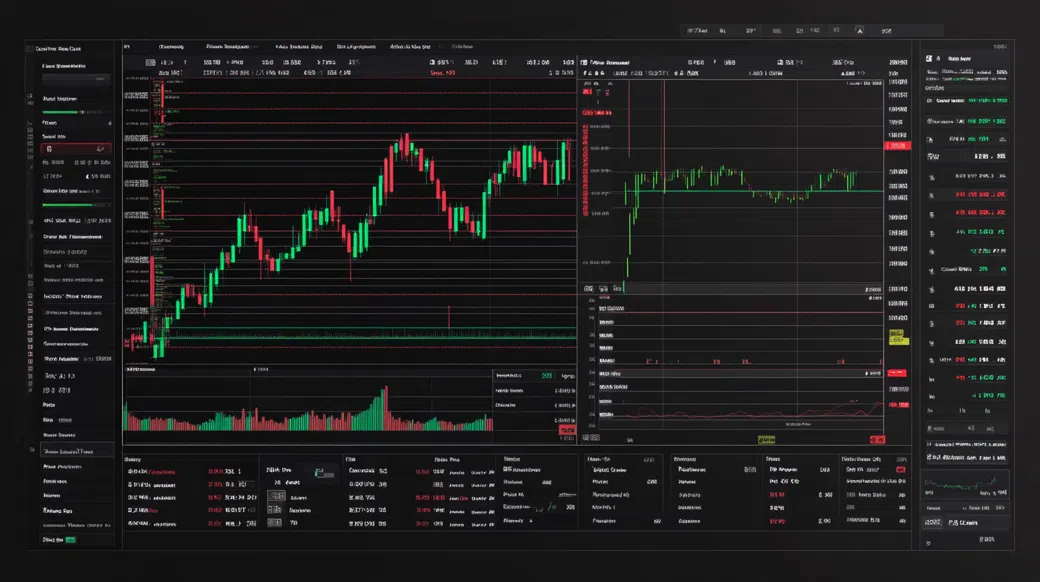
From the desktop side, the WebTrader handled the basics without theatrics: stable sessions, multi-timeframe charts, and the order panel kept within one screen so you’re not hunting for size, stops, and margin impact. I placed a small US500 position into the New York overlap and watched fills land without obvious “ghost requotes”; slippage was present around a data print, but it behaved like a market under stress rather than a platform fighting you. If you live inside the MT4/MT5 plugin universe, note the gap: this is a proprietary environment, and I didn’t see MT integration as a selectable platform option during setup.
Kapitecto App: Mobile Trading Experience
On mobile, the Kapitecto app mirrored the web layout closely, which helps when you’re managing risk away from a desk. The Kapitecto login supported biometric unlock on my device, and I could deposit, adjust stops, and close positions with a couple of taps. Push notifications for price alerts were available, though the alert builder is more “practical” than “institutional”—good enough for breakouts, not a substitute for a full automation stack.
Charting, Tools & Research
The toolset covers the essentials: economic calendar, integrated news headlines, and the expected indicator shelf (RSI, MACD, moving averages, Bollinger). Watchlists are easy to curate across asset classes, and basic drawing tools were responsive. Still, heavy quants and systematic traders will hit a ceiling compared with MT5/cTrader ecosystems—there’s less room for custom indicators and deep strategy testing.
Kapitecto Account Opening & Minimum Deposit
After entering email, phone, and a short suitability-style questionnaire, the platform pushed me into identity checks before I could treat the account as “fully live.” For KYC/AML, I uploaded a passport photo page and a bank statement as address proof; approval landed the next business day, which is a reasonable cadence for this segment. The interface made it clear what was missing, and I didn’t have to guess which corner of the document they wanted.
- Minimum Deposit: $200 (this is the Kapitecto minimum deposit I saw at funding)
- Funding Methods: Visa/Mastercard, bank wire, regional e-wallets, and crypto (BTC/USDT)
- Demo Account: $10,000 virtual balance for testing order types and margin behavior
- Account Types: Standard (spread-only) and Pro/Raw/ECN-style (tighter spreads + commission)
One detail I liked: deposit confirmations were explicit—amount, method, and account currency—before the final submit. I funded via card for speed, then kept the account base currency aligned to avoid conversion drag on every P&L tick.
Kapitecto Customer Support Review
I tested support with two concrete questions: first on live chat about swap rates for holding XAU/USD overnight, then by email asking how long card withdrawals typically take once KYC is approved. Chat replied in roughly three minutes with a link path to the instrument’s financing details and a reminder that triple-swap timing can apply on specific days. The email ticket came back in about nine hours, consistent and readable rather than copy-pasted fluff, and it matched what I later saw when I initiated a small withdrawal.
Coverage sits where you’d expect for an offshore CFD desk: 24/5 availability, with weekends lighter outside crypto trading hours. Language support depends on the time of day; English was smooth, but I wouldn’t assume Scandinavian-language coverage. Phone support wasn’t prominent in my account area, so if you require a dedicated dealing desk line, that’s a point to verify upfront.
Ready to Explore Kapitecto?
If you’re considering this broker, start by checking the live spreads during your usual session and confirming your country eligibility before depositing. A demo run helps you gauge execution, margin behavior, and whether the proprietary interface fits your routine.
Visit KapitectoKapitecto Review FAQ
Is Kapitecto good for beginners?
Yes, it can work for beginners who keep position sizes small and treat leverage with respect. The WebTrader is not overly complex, and the $10,000 demo is useful for learning margin and stop placement. The offshore setup means you should be extra strict with risk limits and withdrawal testing.
Can I trade crypto on Kapitecto?
Yes, crypto CFDs are available, including BTC and ETH pairs. You’re trading price exposure via CFDs, not buying coins into a wallet, so there’s no on-chain transfer. Weekend financing can be a material cost if you hold positions over multiple days.
Is Kapitecto a scam?
No, my Kapitecto scam check didn’t reveal classic fraud signals, and the platform processed a small test withdrawal after KYC. That said, it operates under an offshore registration model (Seychelles FSA), which means fewer formal protections than Tier-1 regulated brokers. Use conservative leverage and verify funding/withdrawal rules before scaling up.
Is Kapitecto available in the USA?
No, Kapitecto is not offered to US residents. The signup and compliance flow is designed to block restricted jurisdictions. If you’re traveling, expect location and document checks to matter.
How long does a Kapitecto withdrawal take?
A Kapitecto withdrawal typically needs 24–48 hours for internal processing after KYC, then the payment rail adds time. In my card test, funds reached the bank side in about three business days. Bank wires usually take longer, while crypto withdrawals can arrive the same day depending on network conditions.
What is the Kapitecto minimum deposit?
The Kapitecto minimum deposit is $200. That’s enough to open positions, but it’s not much room for error if you use high leverage. For risk control, many traders deposit more than the minimum so margin isn’t constantly on the edge.
Does Kapitecto have a mobile app?
Yes, the Kapitecto app is available for iOS and Android alongside the web platform. You can manage orders, monitor margin, and handle deposits/withdrawals from the phone. Biometric login support helps, but I still recommend using two-factor security where available.
Final Verdict: Should You Use Kapitecto in 2026?
Overall Score: 4.0/5
For traders who value clean execution mechanics and don’t need the MT4/MT5 universe, Kapitecto delivers a coherent proprietary experience with sensible account tiers and respectable pricing on the Raw/ECN-style track. My deposit-by-card, a couple of test trades (including around a volatile moment), and a small withdrawal all followed the written rules without drama, which matters more than marketing. The weak point is structural: offshore regulation shifts more responsibility onto you—especially around leverage, dispute resolution, and long-hold financing. Treat CFDs as high-risk instruments, keep sizing disciplined, and stress-test withdrawals early via Kapitecto.
Best for: active CFD traders who want up to 1:500 leverage and a simple web/mobile workflow. Avoid if: you require Tier-1 regulation, deep research, or MT4/MT5-based tooling.