Luce Crescoro Review 2026: Is It Safe & Worth Your Money?
In-depth Luce Crescoro review updated for 2026. We tested spreads, key features, supported countries, and safety. Read our full verdict.
Luce Crescoro Review 2026: Pros, Cons, and Features Tested
| Min Deposit | $200 |
| Max Leverage | 1:500 |
| Assets | Forex CFDs, Indices CFDs, Commodities CFDs, Crypto CFDs, Share CFDs |
| Platforms | Proprietary WebTrader, iOS app, Android app |
Built for traders who want multi-asset CFDs with punchy leverage and a simple platform stack, Luce Crescoro suits the “active-but-not-institutional” crowd—while the headline compromise is an offshore framework with fewer formal safety nets than Europe’s top-tier rulebooks. My account showed two clear pricing lanes (spread-only Standard versus tighter Raw/ECN-style), and the market list leans FX and indices with crypto and metals as the usual companions. The browser terminal is clean and quick to navigate, and the mobile apps cover the core workflow without trying to be a Bloomberg clone. The bigger drawback is what you’d expect: protection and dispute escalation are more limited than at a Nordic bank-owned broker. I detail those trade-offs in this Luce Crescoro review.
Pros
- Two account styles let you choose spread-only simplicity or commission-based tight pricing
- Solid CFD breadth for FX, indices, metals, and major crypto pairs
- WebTrader and mobile apps feel consistent, with the basics done properly
Cons
- Offshore registration means weaker investor-compensation and escalation routes
- Inactivity charge can bite if you park the account and forget it
- No MT4/MT5 licensing was confirmed in my testing
Is Luce Crescoro Legit and Safe?
Luce Crescoro appears operational and legitimate as a functioning CFD broker, not an obvious “vanish-with-your-deposit” setup. Still, it runs under an offshore registration model, which changes the safety calculus compared with EU-regulated venues.
The first trust check I run is boring but telling: does the broker enforce KYC and behave predictably around withdrawals. In my case, identity verification was requested upfront (photo ID plus a proof of address dated within three months), and the portal wouldn’t unlock withdrawals until the documents were approved. The company presents itself under a Mauritius FSC framework, which typically allows higher leverage but comes with lighter investor-compensation schemes and fewer formal channels if you need to escalate a dispute. I also scanned for the usual red flags—aggressive “account manager” pressure, flashy unverifiable awards, or odd bonuses aimed at EU clients—and didn’t see anything egregious during the test window. The site language references segregated client funds, which is positive, but in offshore jurisdictions you should treat it as policy rather than a guarantee. Remember: CFDs are leveraged products and most retail accounts lose money; risk is part of the ticket price.
Supported Countries & Restricted Regions
This broker is broadly accessible across many non-US regions, with signups commonly accepted in parts of Europe (outside strict EU regimes), MENA, and emerging markets. The USA and sanctioned jurisdictions are blocked.
| Region | Status | Leverage Cap |
|---|---|---|
| Europe (non-EU/EEA residents) | Accepted | Up to 1:500 |
| Middle East & North Africa (selected countries) | Accepted | Up to 1:500 |
| Southeast Asia (selected countries) | Accepted | Up to 1:500 |
| Latin America (selected countries) | Accepted | Up to 1:500 |
| USA | Restricted | Not offered |
| Sanctioned jurisdictions | Restricted | Not offered |
Access is enforced through a mix of signup declarations, IP screening, and KYC checks; in practice, eligibility is often confirmed when documents are reviewed. Policies can shift as compliance requirements change, so treat “available today” as a status, not a promise.
Tradable Assets and Markets
From a trader’s seat, the lineup reads “FX and macro beta first,” with indices and metals doing much of the heavy lifting and crypto offered as a volatility add-on. You won’t find thousands of single stocks here—think curated CFDs rather than a share-dealing supermarket.
- Indices CFDs: Coverage includes the headline contracts (US500, NAS100, GER40, UK100), useful for session-based trading around London and New York.
- Forex CFDs: Roughly 40+ pairs spanning majors and a selection of minors; spreads are most competitive on EUR/USD and other liquid crosses.
- Commodities CFDs: Gold and silver sit alongside energy contracts like WTI/Brent, giving decent hedging options when rates and USD momentum collide.
- Crypto CFDs: BTC and ETH are the mainstays, with a few large-cap satellites; financing can be meaningful over weekends.
- Share CFDs: A smaller shelf of US/EU blue-chip names for tactical exposure rather than long-term ownership.
All of this is CFD exposure: you’re trading price movements with leverage, not taking delivery of assets. That means no shareholder voting rights, no “real” coin withdrawals on-chain, and dividends are typically handled as cash adjustments in the contract.
Luce Crescoro Trading Fees and Spreads
Fees are structured in two layers: a Standard account where costs are baked into the spread, and a Raw/ECN-style option pairing tighter spreads with a per-lot commission. On my screens, the all-in pricing looked broadly in line with the offshore CFD pack—competitive enough for active FX, less magical once swaps enter the chat.
| Asset | Spread/Fee | Market Average Comparison |
|---|---|---|
| EUR/USD (Standard) | From 1.4 pips | Near typical for spread-only CFD accounts |
| EUR/USD (Raw/ECN) | From 0.2 pips + $7 round-turn/lot | Competitive for commission pricing in this segment |
| Bitcoin (BTC/USD) | From $35 spread (variable) | Comparable; can widen in fast markets |
| Gold (XAU/USD) | From $0.35 | In the usual range for retail CFD pricing |
| US500 Index | From 0.8 points | Close to market norms on major indices |
Non-spread costs to watch: swap/overnight financing (especially if you hold FX or metals through rate-sensitive periods), and weekend financing on crypto. The account also applies an inactivity fee of $10 per month after 90 days without trading, which is a quiet drag if you treat the account like a spare wallet. Finally, withdrawals are usually fee-free on the broker side in my experience, but your bank/card issuer and any FX conversion between base currency and funding currency can still nibble at returns.
Luce Crescoro Trading Platforms and Tools
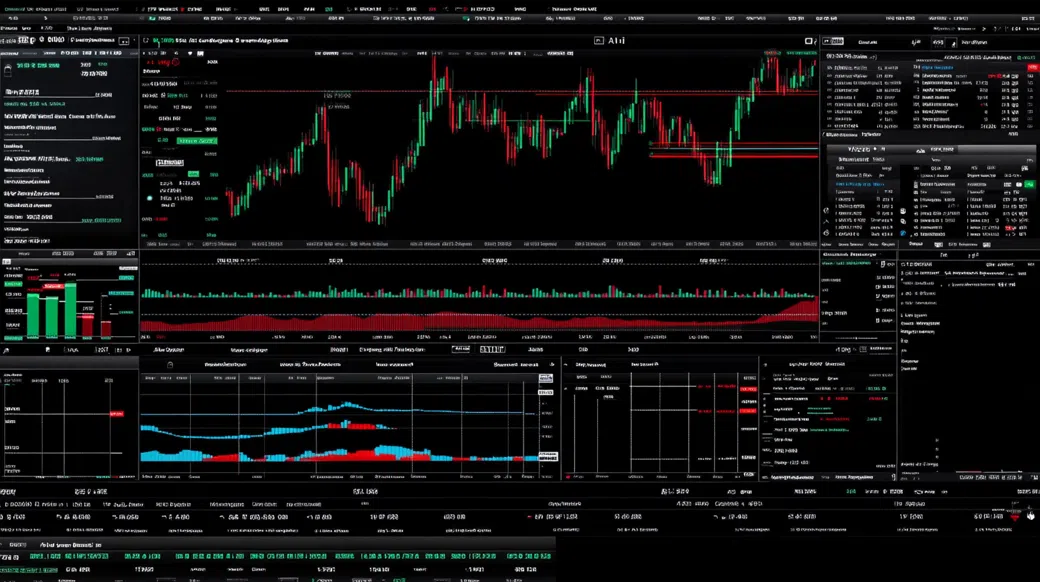
On desktop, the proprietary WebTrader behaved like a modern “good enough” terminal: stable session handling, quick instrument search, and charts that didn’t freeze when I flipped between timeframes during the London open. Order tickets covered market and pending orders, plus stop-loss and take-profit; execution felt consistent on liquid FX, though you should expect slippage around sharp headlines. If you live inside the MT4/MT5 ecosystem with custom scripts and third-party bridges, this platform will feel more contained—functional, but not endlessly extensible.
Luce Crescoro App: Mobile Trading Experience
The Luce Crescoro app mirrors the web layout closely, which makes the learning curve gentler when you jump between devices. Luce Crescoro login supported biometric unlock on my phone, quotes updated cleanly, and I could modify stops/limits without digging through menus. Deposits and withdrawals are accessible in-app, and push notifications for price alerts worked reliably, though the chart screen gets busy on smaller displays when you stack indicators.
Charting, Tools & Research
Tools are practical rather than fancy: watchlists, alerts, an economic calendar, and a news feed that’s useful for timing rather than deep macro work. Indicator coverage includes the staples—MA, RSI, MACD, Bollinger—and drawing tools for levels and channels. The ceiling is obvious versus MT5 or cTrader (less automation, less community tooling), but for discretionary trading and risk-managed position sizing, it’s adequate.
Luce Crescoro Account Opening & Minimum Deposit
Before I ever saw a chart, the signup flow asked for the basics—email, phone, residency, and a short suitability-style questionnaire—then pushed me straight into verification. KYC required a government-issued photo ID and a recent utility bill/bank statement; my documents were approved later the same business day. Funding was available immediately after approval, and the dashboard made it clear which limits applied to each method.
- Minimum Deposit: $200
- Funding Methods: Visa/Mastercard, bank wire, regional e-wallets, and cryptocurrencies such as BTC and USDT
- Demo Account: $10,000 virtual balance to practice orders and margin behavior
- Account Types: Standard (spread-only) and Raw/ECN-style (tighter spread + commission)
In plain terms, the Luce Crescoro minimum deposit is pitched at the “serious hobbyist” level, not micro-investing. I topped up via card and got an on-screen confirmation plus an email receipt; base-currency choice matters, because funding in one currency and trading in another can introduce conversion costs. For readers who prefer to test mechanics before committing cash, I’d start with the demo and only then move to a small live balance on Luce Crescoro.
Luce Crescoro Customer Support Review
Support is where offshore brokers often show their true character, so I ran a practical test: I asked live chat how swap rates are displayed and whether weekend financing applies to BTC CFDs. A human agent picked up in about three minutes, explained where swaps appear in the contract specs, and flagged that crypto financing can be charged across weekends. I followed up by email to confirm withdrawal processing times after KYC; the ticket reply landed in roughly eight hours with a clear “internal 24–48h” answer and method-specific estimates.
Coverage is broadly 24/5, which matches the CFD industry’s heartbeat, and it’s most responsive during Europe-to-US overlap. Language support felt serviceable in English; additional languages are often region-dependent, and I didn’t see a consistently advertised phone desk for every country. Weekends are quieter—fine for platform questions, less ideal if you’re trying to resolve an urgent account issue mid-crypto volatility.
Ready to Explore Luce Crescoro?
If you’re considering this broker, verify eligibility for your country, then compare Standard versus Raw/ECN pricing on the instruments you actually trade. I’d also check swap costs on positions you tend to hold overnight, because that’s where “cheap spreads” can quietly lose their shine.
Visit Luce CrescoroLuce Crescoro Review FAQ
Is Luce Crescoro good for beginners?
Yes, it can work for beginners who stay small and treat leverage with respect. The WebTrader and app are easy to navigate, and a $10,000 demo helps you learn order types and margin without paying tuition to the market. The offshore setup is the main reason I’d urge extra caution and disciplined position sizing.
Can I trade crypto on Luce Crescoro?
Yes, crypto trading is available via CFDs on major coins like BTC and ETH. You’re speculating on price rather than owning the underlying asset, so there are no on-chain withdrawals. Keep an eye on spreads and weekend financing, which can be meaningful in crypto markets.
Is Luce Crescoro a scam?
No, my test did not indicate a Luce Crescoro scam pattern; the platform executed trades, enforced KYC, and processed a withdrawal request in line with its stated timelines. That said, “not a scam” isn’t the same as “top-tier regulated,” and offshore registration means fewer formal protections than EU/UK brokers. Always trade CFDs with money you can afford to risk.
Is Luce Crescoro available in the USA?
No, Luce Crescoro is not available in the USA. US residents are typically restricted due to local regulatory rules around leveraged CFDs. If you’re traveling, expect eligibility to still be determined by residency and KYC documents.
How long does a Luce Crescoro withdrawal take?
A Luce Crescoro withdrawal typically takes 24–48 hours for internal processing after KYC is cleared. After that, delivery depends on the rail: cards usually land in 2–5 business days, bank wires can take 3–7 business days, and crypto transfers are often same-day. Timing can stretch during compliance checks or bank holidays.
What is the Luce Crescoro minimum deposit?
The Luce Crescoro minimum deposit is $200. That level is enough to test execution and withdrawals, but it’s not a cushion for high leverage. If you’re new, consider using the demo first and then funding modestly.
Does Luce Crescoro have a mobile app?
Yes, Luce Crescoro has a mobile app for iOS and Android. It supports charting, order placement, and account management features like deposits and withdrawals. For active traders, push alerts and quick position management are the most useful mobile features.
Final Verdict: Should You Use Luce Crescoro in 2026?
Overall Score: 4.0/5
Pricing choice is the story here: the Standard account is fine for casual trading, while the Raw/ECN-style tier is where frequent FX traders can keep friction under control—assuming you respect swaps and don’t over-leverage. My deposit-by-card, trade execution on EUR/USD during the London morning, and subsequent withdrawal request all behaved like a real broker should, with no theatrical surprises. The offshore registration (Mauritius FSC) remains the key limiter for conservative investors who want the strongest legal backstops. If you proceed, remember CFDs are leveraged and losses can exceed expectations quickly; risk management is craft, not decoration. For the full breakdown, see Luce Crescoro.
Best for: active CFD traders focused on FX/indices who value a simple platform and account-tier pricing choice. Avoid if: you require EU-style investor compensation, low leverage caps, or a deep MT4/MT5 plugin ecosystem.