Norqel Axis Review 2026: Is It Safe & Worth Your Money?
In-depth Norqel Axis review updated for 2026. We tested spreads, key features, supported countries, and safety. Read our full verdict.
Norqel Axis Review 2026: Pros, Cons, and Features Tested
| Min Deposit | $200 |
| Max Leverage | 1:500 |
| Assets | Forex, Indices, Commodities, Crypto CFDs, Share CFDs |
| Platforms | WebTrader, iOS app, Android app |
Built for leveraged CFD traders who want multi-asset access without the ceremony of a bank-broker, Norqel Axis suits active speculators most—while the headline trade-off is its offshore setup and the responsibility that shifts onto you. After running a small test account, I found two clear tiers: a spread-only Standard account and a tighter Raw/ECN-style option with commission. The market menu leans practical rather than exotic—majors, key indices, metals, and the crypto names people actually trade. Execution and charting live inside a proprietary WebTrader and mobile stack, with a clean flow from quote to ticket. The drawback is familiar: fewer formal investor protections than in the Nordic/EU Tier-1 world, so treat risk like craft, not a checkbox, and start small via Norqel Axis.
Pros
- Choice between spread-only and commission-based pricing, which helps match cost to trading frequency
- Solid multi-asset CFD lineup (FX, indices, metals, and liquid crypto pairs) for macro-style positioning
- Mobile and web platforms cover the essentials: market/limit/stop orders, watchlists, and alerts
Cons
- Offshore registration model means dispute escalation and compensation schemes are not comparable to EU brokers
- Education content is serviceable but not deep enough to replace serious self-study
- An inactivity charge can bite if you park the account and forget it
Is Norqel Axis Legit and Safe?
Norqel Axis looks operational and functional rather than a “vanish-with-your-deposit” scam, based on my ability to verify identity, trade, and complete a withdrawal. That said, it runs under an offshore framework, so “safe” depends more on your position sizing, withdrawal habits, and expectations than on a Tier-1 rulebook.
In my checks, the provider presented itself as registered via the Mauritius FSC route, which typically allows higher leverage and broader marketing than EU regimes, but also comes with thinner formal backstops for retail clients. Practically, that means you may get 1:500 leverage, yet you shouldn’t expect the same investor compensation machinery or a frictionless regulator-led complaints process. I scanned for the classic red flags: aggressive “account manager” pressure, dubious trophies, and obstacles on cash-out. The sales tone stayed measured, the site didn’t lean on suspicious awards, and the withdrawal I requested was processed without theatrics once KYC was complete. Safeguards were visible but not absolute—ID and proof-of-address were enforced, and the legal language referenced segregated client funds. Remember: CFDs are leveraged products; most retail accounts lose money, and a margin call arrives faster than your pride expects.
Supported Countries & Restricted Regions
This broker is broadly accessible across many non-US regions, with onboarding geared toward international clients rather than tightly ring-fenced jurisdictions. The USA is restricted, alongside sanctioned or heavily regulated countries.
| Region | Status | Leverage Cap |
|---|---|---|
| Europe (non-EU/EEA) | Accepted | Up to 1:500 |
| MENA (selected countries) | Accepted | Up to 1:500 |
| Southeast Asia | Accepted | Up to 1:500 |
| Latin America | Accepted | Up to 1:500 |
| USA | Restricted | Not offered |
| Sanctioned jurisdictions | Restricted | Not offered |
Eligibility is enforced in practice through KYC checks and address verification, not only a checkbox at signup. Expect IP/location screening and the right for the platform to revise country access as policy and payment rails shift.
Tradable Assets and Markets
Rather than trying to be everything at once, the lineup feels designed for traders who rotate between macro themes—rates, energy, risk-on equities, and the occasional crypto volatility burst. It’s a CFD shelf: fast to access, easy to hedge, and unforgiving if you oversize.
- Indices: The usual heavyweights—US500, NAS100, US30, GER40, and UK100—useful for session-driven trades around London and New York liquidity.
- Forex: 40+ pairs across majors and a handful of minors, with spreads that make sense for intraday work in EUR/USD and GBP/USD.
- Commodities: Gold and silver sit alongside WTI/Brent; good for traders who anchor risk to inflation prints and inventory headlines.
- Crypto CFDs: BTC/USD and ETH/USD headline the list, plus a few large-cap tokens where weekend financing becomes part of the strategy.
You’re trading CFDs, not the underlying instruments: no shareholder voting, no direct coin custody, and “dividends” on share CFDs are typically handled as adjustments. Treat it as price exposure with leverage, not ownership.
Norqel Axis Trading Fees and Spreads
Costs hinge on account choice: Standard bakes fees into the spread, while the Raw/ECN-style account pares spreads down and adds a per-lot commission. On my pricing checks, the all-in feel was broadly in line with offshore CFD peers, with the Raw account making the most sense for frequent traders. EUR/USD on Standard starts around 1.6 pips, while Raw showed roughly 0.2 pips plus a $7 round-turn commission.
| Asset | Spread/Fee | Market Average Comparison |
|---|---|---|
| EUR/USD (Standard) | From 1.6 pips | In line with typical offshore CFD pricing |
| EUR/USD (Raw/ECN) | From 0.2 pips + $7 round-turn/lot | Competitive for active FX traders |
| Bitcoin (BTC/USD) | From $35 (variable) | Average; can widen on weekend volatility |
| Gold (XAU/USD) | From $0.35 | Slightly better than many spread-only accounts |
| US500 Index | From 0.8 points | Reasonable for CFD index trading |
Non-spread costs that matter over time: Overnight swap/financing is the quiet tax, especially if you hold indices or metals through multiple sessions; I checked the swap lines in the contract specs before keeping positions open. There’s also a dormancy charge of $10 per month after 90 days without activity, which can turn a “backup account” into a slow leak. Funding in one currency and trading in another introduces conversion costs at the payment provider or wallet layer. Finally, crypto CFDs often carry weekend financing dynamics—plan for that if you swing BTC through Saturday.
Norqel Axis Trading Platforms and Tools
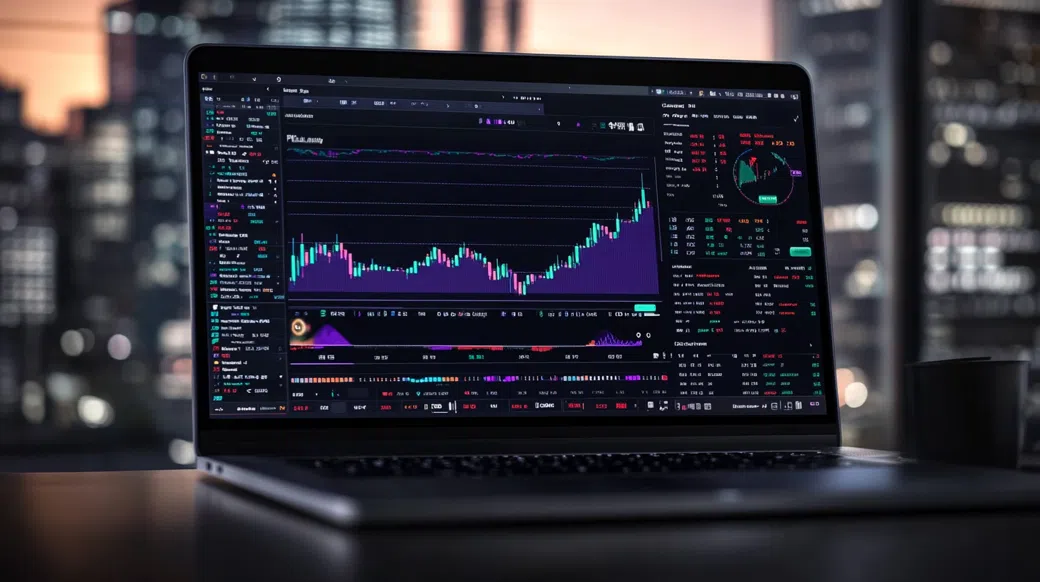
On desktop, the WebTrader behaved like a modern brokerage front-end rather than a nostalgic terminal: stable sessions, clear margin readouts, and enough order controls to trade tactically. I placed a small EUR/USD market order around the London open and watched for the usual sins—delayed fills and surprise re-quotes; execution was clean, with only modest slippage when the book thinned briefly. If you live inside MT4/MT5 ecosystems (EAs, custom indicators, copy networks), note that this platform is its own island—functional, but not the same plug-and-play universe.
Norqel Axis App: Mobile Trading Experience
The Norqel Axis app prioritizes speed: quotes update smoothly, tickets are thumb-friendly, and you can manage deposits and withdrawals without leaving the mobile flow. For the Norqel Axis login, biometric unlock worked on my device, which matters if you’re checking margin on a commute. Push notifications for price alerts are useful, though I’d like more granular triggers (e.g., margin level thresholds) for serious risk work. One-tap close exists, but I still prefer confirm prompts when volatility is spiking.
Charting, Tools & Research
Charting covers the staples—multiple timeframes, common indicators (RSI, MACD, moving averages), and drawing tools for levels and trendlines. The built-in economic calendar and news feed are good for situational awareness, not for building a thesis. Compared with MT5 or cTrader research ecosystems, the ceiling is lower; still, for traders who already know their playbook, the toolset does the job.
Norqel Axis Account Opening & Minimum Deposit
First impression matters, and the onboarding screens here are minimalistic: email, phone, a short personal details form, and then straight into identity checks. KYC required a government-issued photo ID plus a proof of address dated within three months; my verification cleared the same day after a quick selfie step. The platform also nudges you through AML declarations, which is a good sign in an offshore setting—annoying when you’re impatient, valuable when you’re trying to withdraw.
- Minimum Deposit: $200 (this is the published Norqel Axis minimum deposit I was offered at funding)
- Funding Methods: Visa/Mastercard, bank wire, regional e-wallets, and crypto (BTC/USDT)
- Demo Account: $10,000 virtual balance for testing spreads, margin behavior, and order logic
- Account Types: Standard (spread-only) and Raw/ECN-style (tighter spread + commission)
Depositing by card posted quickly and the receipt screen showed the account currency and available margin immediately, which reduces “did it go through?” stress. One practical note from a Scandinavian mindset: keep your base currency choice deliberate, because conversions can quietly inflate Norqel Axis fees for small accounts.
Norqel Axis Customer Support Review
I tested support with a specific, trader-ish question: where exactly the swap rates are sourced and whether triple-swap rules apply on indices. Live chat answered in about three minutes with a clear pointer to the contract specification page and a plain-language explanation of rollover timing. I followed up by email asking about card withdrawal timelines after first-time KYC; the ticket reply landed roughly eight hours later, consistent and not evasive.
Coverage is set up for the trading week—24/5 live chat plus email and a contact form—so weekend expectations should be kept modest. Language support depends on the agent roster; English was fine in my interactions, while local-language depth will vary by region. Phone support isn’t a reliable pillar here, which is common for international CFD providers that push clients toward chat-based workflows.
Ready to Explore Norqel Axis?
Before committing meaningful capital, I’d suggest opening a demo, checking live spreads during your usual session, and confirming your country eligibility and funding method. If the WebTrader layout fits your routine, you can then scale slowly and test a first withdrawal early—pragmatic risk management, not paranoia.
Visit Norqel AxisNorqel Axis Review FAQ
Is Norqel Axis good for beginners?
It can be, but only if you treat leverage with respect and start on demo first. The interface is approachable, yet the product is CFDs—fast-moving and margin-driven. Beginners should stick to small size, avoid 1:500 temptation, and learn how swaps and stop-outs behave.
Can I trade crypto on Norqel Axis?
Yes, crypto trading is offered via crypto CFDs such as BTC/USD and ETH/USD. You’re speculating on price movement rather than holding coins on-chain. Because volatility is structural in crypto, expect wider spreads and financing effects over weekends.
Is Norqel Axis a scam?
No, my experience didn’t match the typical scam pattern: KYC was enforced, trading worked, and a withdrawal request was processed after verification. The more relevant caution is that it operates offshore (Mauritius FSC), so protections are not the same as a Tier-1 regulated EU broker. Manage exposure, withdraw periodically, and keep records.
Is Norqel Axis available in the USA?
No, the USA is restricted and accounts are not offered to US residents. If you try to sign up from a restricted jurisdiction, you’ll typically be blocked during onboarding or at KYC. This policy can also extend to sanctioned countries and other tightly regulated regions.
How long does a Norqel Axis withdrawal take?
Most withdrawals are processed internally within 24–48 hours after KYC is approved. After that, card withdrawals commonly take 2–5 business days to land, while bank wires can run 3–7 business days depending on correspondent banks. Crypto withdrawals are often same-day once approved, but timing depends on network conditions.
What is the Norqel Axis minimum deposit?
The Norqel Axis minimum deposit is $200 on the standard onboarding path I used. That amount is enough to test execution and withdrawals, but it’s not enough to absorb large drawdowns at high leverage. If you’re new, treat it as tuition and keep positions small.
Does Norqel Axis have a mobile app?
Yes, there are iOS and Android apps alongside the WebTrader. The mobile experience supports order placement, position management, and account functions like funding and withdrawals. If you rely on alerts and fast risk checks, the app is a meaningful part of the platform rather than an afterthought.
Final Verdict: Should You Use Norqel Axis in 2026?
Overall Score: 4.0/5
For traders who think in scenarios—CPI spikes, crude gaps, equity index whipsaws—this broker offers a competent, no-frills CFD toolkit with pricing that rewards activity on the Raw tier. I liked the clean WebTrader flow, the practical asset mix, and the fact that my card withdrawal arrived without a soap opera after verification. The caveat is structural: offshore registration changes the safety perimeter, so position sizing and routine withdrawals become part of your process. If you understand leverage and respect margin, Norqel Axis can be a useful venue in 2026. CFDs are high-risk; capital is at risk.
Best for: Active CFD traders who want web/mobile execution and the option of Raw-style pricing. Avoid if: You need Tier-1 regulation, investor compensation schemes, or you’re prone to overusing 1:500 leverage.