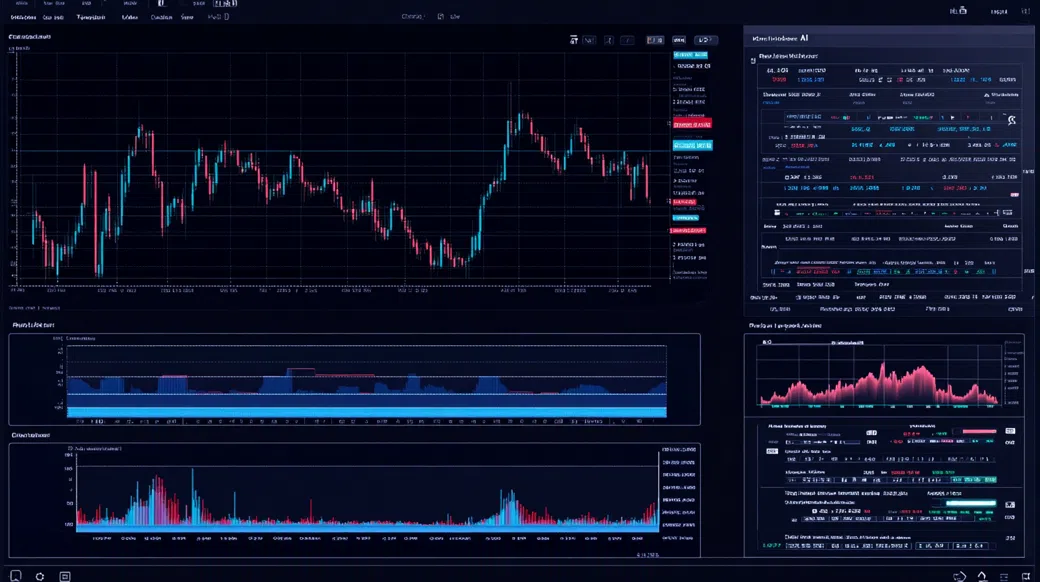
Peña Inveranza Trading Platform Alternatives 2026
A risk-aware guide to Peña Inveranza alternatives in 2026: compare regulated brokers, platforms, spreads, execution quality, and safer switching steps.
Peña Inveranza Trading Platform Alternatives 2026: Reliable Options for Online Traders
A good trading setup is less about “more leverage” and more about the plumbing: execution, fees you can actually forecast, and a legal framework that doesn’t disappear the moment you need a withdrawal. That’s the lens I use when assessing Peña Inveranza and the practical Peña Inveranza alternatives for 2026. Peña Inveranza sits in a familiar offshore-shaped niche: forex and CFDs as the main menu, a proprietary WebTrader with a mobile app, and terms that tend to look generous on leverage but thinner on investor protections. In this segment, traders are typically offered access to ~30–50 FX pairs, a handful of indices and commodities, and often crypto CFDs—useful for short-term exposure, but not the same as holding assets outright.
Based on what’s commonly observed among offshore providers, traders may encounter a minimum deposit around $250, EUR/USD spreads around 2.0 pips on a standard-style account, and headline leverage up to 1:500. None of those numbers are “good” or “bad” on their own—context matters. If you’re running systematic strategies, platform limitations can be the bottleneck. If you’re a discretionary trader, slippage and swap charges become the silent tax. And if you’re in the US, the bigger issue is eligibility: many offshore CFD venues don’t accept US residents.
Disclaimer: This article is for informational purposes only and does not constitute investment advice. CFDs and other leveraged products can move against you quickly and may result in losses that exceed expectations.
Key Takeaways (TL;DR)
- Offshore-style platforms can offer high leverage (often up to ~1:500), but regulated brokers typically provide stronger client-fund safeguards and clearer dispute channels.
- Compare total “round-turn” trading cost (spread + commission + swap) rather than headline spreads; a 2.0-pip EUR/USD spread can add up fast at active volumes.
- Stock/ETF access is often CFD-only on offshore platforms; multi-asset brokers (e.g., Saxo, IBKR) can provide real shares/ETFs with broader market reach.
What Is Peña Inveranza and How Does Its Trading Platform Work?
From a trader’s perspective, Peña Inveranza looks like a CFD-first venue built for retail flow: forex pairs, indices, commodities, and frequently crypto CFDs, delivered through a proprietary browser platform. Public-facing details in this category often point to an offshore regulatory framework—here, the best fit is Seychelles FSA—where client protection standards can diverge significantly from FCA, ASIC, or CySEC regimes. The model usually resembles a market maker setup for CFDs: convenient access and quick onboarding, but with more dependence on the broker’s internal execution and risk controls. Platforms like Peña Inveranza tend to target short-term speculators who value simple interfaces and high leverage, rather than investors looking for custody, exchange membership, or broad cash-equities coverage.
Peña Inveranza Web Trading Platform: Core Features and Tools
The WebTrader stack is typically built around basic-to-mid charting and fast order entry. Expect the essentials: multiple chart types, a standard set of indicators, and drawing tools adequate for classical technical analysis (levels, trendlines, channels). Order functionality is usually straightforward—market, limit, stop—sometimes with stop-loss and take-profit attached at entry. Mobile apps on iOS/Android often mirror the core workflow (watchlists, positions, funding), though the smallest screens can make multi-timeframe analysis feel cramped. Execution “feel” matters here: the platform may be snappy in quiet markets, yet more prone to slippage during news spikes—an issue that becomes obvious when you trade CFDs with tight stops.
Trading Fees, Spreads, and Account Types at Peña Inveranza
In offshore CFD pricing, the bill arrives in layers. A common reference point is EUR/USD around 2.0 pips on a standard-style account. Some brokers in this bracket also advertise a raw/ECN-like tier with spreads that can print near 0.0–0.4 pips, then charge a commission (often roughly $6–$8 per round turn). Swap/overnight financing is a material cost for longer holds, and it can be the difference between a “good trade” and a slow bleed—especially in indices and crypto CFDs. Withdrawal and inactivity charges vary by provider and payment method, so reading the fee schedule line by line is not optional if you trade frequently.
When Do Traders Start Looking for Peña Inveranza Alternatives?
Costs are the first crack in the façade. A 2.0-pip EUR/USD spread doesn’t look dramatic until you translate it into monthly friction: the more you trade, the more it behaves like a permanent headwind. From there, the next pressure point is usually trust and process—how clean the funding and withdrawal path feels, how disputes are handled, and whether the legal wrapper matches your risk tolerance. Peña Inveranza alternatives also become relevant when a trader’s strategy evolves: what worked with a simple WebTrader can break down once you need better execution reporting, deeper order controls, or professional-grade platforms.
- You want MT4/MT5 or cTrader for automation (EAs), custom indicators, or copy infrastructure that a proprietary WebTrader can’t replicate.
- You’re scaling position size and need clearer execution disclosures (fill policy, slippage stats, order rejections) to manage risk during volatility.
- You plan to hold positions longer and need predictable swap schedules and transparent financing rates, especially on indices and crypto CFDs.
- You need access to real stocks/ETFs (not just stock CFDs) for portfolio construction, tax planning, or long-only exposure.
How to Choose a Reliable Alternative to the Peña Inveranza Trading Platform
Selection is not a beauty contest; it’s fit-to-purpose. Start by writing down what you trade (and how), then force the broker choice to justify itself against that reality: regulation, product range, total cost, and execution. Regulated options vs Peña Inveranza often look less exciting on leverage, yet they compensate with enforceable standards, documented processes, and—crucially—less ambiguity when something goes wrong.
Regulation, Safety, and Investor Protection
Regulation isn’t a badge—it’s a rulebook backed by a supervisor. For EU/UK traders, FCA or CySEC oversight typically implies segregation of client funds and conduct rules; in the UK, FSCS protection can cover eligible claims up to £85,000. Under CySEC, the ICF framework is commonly cited with coverage up to €20,000 for eligible clients. ASIC regulation is also widely respected, though compensation structures differ by jurisdiction. If you’re comparing competitors to Peña Inveranza, verify the broker entity on the regulator’s public register and check the exact legal name you will sign with.
Available Markets and Instruments
Instrument breadth changes your entire risk toolkit. FX and index CFDs cover short-term macro views, but they don’t replace a real multi-asset book where you can hold cash equities, ETFs, options, futures, or even bonds. This is where brokers similar to Peña Inveranza can fall short: they offer trading, not investing infrastructure. If you’re building a barbell—say, long ETFs with tactical FX hedges—consider a multi-asset broker (Saxo or IBKR) alongside an FX specialist if execution costs on spot/CFDs matter.
Trading Costs: Spreads, Commissions, and Other Fees
Headline spread is only the first line item. The cleaner comparison is round-turn cost: what you pay to enter and exit, including commissions on raw accounts, plus any platform/data fees where relevant. Then comes the slow-burn: swap/overnight financing, which can dominate P&L if you hold CFD positions for weeks. Inactivity fees and withdrawal charges can also turn “cheap trading” into expensive account maintenance. If you’re benchmarking Peña Inveranza trading platform alternatives 2026, model your own volume: 10 trades a day versus 10 trades a month produces two entirely different truths.
Platforms, Tools, and Execution Quality
Platform choice is strategy choice. MT4/MT5 remain common for automation; cTrader tends to attract execution-focused traders; proprietary stacks can be excellent, but only when they provide robust order handling, reporting, and stability. Execution model matters too: market maker, STP, ECN, or DMA each has different implications for slippage and fills. During data releases, even a “tight spread” can be meaningless if your stop gets filled far from the trigger. That’s the kind of operational risk you should price in when weighing top substitutes for Peña Inveranza.
Support, Education, and Overall User Experience
Customer support becomes relevant precisely when you don’t want it to be. Look for clear service hours, language coverage, and documented escalation paths. Education is a bonus, but a clean UX is essential: straightforward funding/withdrawal flows, transparent margin rules, and mobile parity that doesn’t reduce risk controls to a tiny toggle. Negative balance protection is another practical feature—especially for CFD traders—because gaps happen. The best platforms like Peña Inveranza (from a usability standpoint) pair simplicity with controls, not simplicity with blind spots.
Peña Inveranza and Different Asset Classes: When Alternatives May Be Better
Peña Inveranza Forex and CFD Trading
FX and index CFDs are usually the core offering on Peña Inveranza-style platforms: roughly 30–50 currency pairs, 8–15 indices, and a small commodities shelf. Leverage up to about 1:500 can look attractive, but it compresses decision time and magnifies execution errors—one poor fill in a fast market can undo a week of careful trading. Cost-wise, EUR/USD around 2.0 pips is workable for occasional trades, yet it’s punitive for scalpers. FX/CFD specialists such as Pepperstone or IC Markets are often chosen by active traders because they offer raw-style pricing (spread near 0.0–0.3 pips plus commission) and platform choice (MT4/MT5/cTrader), which can improve consistency for automation and tighter risk control. For traders comparing Peña Inveranza alternatives, the real differentiator here is not leverage; it’s repeatable execution and measurable transaction costs.
Peña Inveranza Stock and ETF Trading
If your goal is ownership—dividends, voting rights, and the comfort of a conventional custody chain—stock CFDs are a different instrument altogether. Offshore CFD venues frequently focus on synthetic exposure, where you trade price movement without holding the underlying shares. That can be perfectly valid for short-term positioning, but it’s not a substitute for building a long-term allocation. Multi-asset brokers like Interactive Brokers and Saxo Bank are typically stronger here because they provide broad access to real stocks and ETFs across venues, with tools suited to portfolio management (order types, reporting, corporate actions). For a global audience weighing regulated options vs Peña Inveranza, this gap matters: real equities access can also simplify tax documentation and reduce the “platform dependency” risk of being locked into a CFD-only ecosystem.
Peña Inveranza Crypto Trading
Crypto exposure on many CFD-first platforms arrives as crypto CFDs: you speculate on price, you don’t withdraw coins, and you don’t interact on-chain. That structure can suit traders who want leverage and the ability to short—but it comes with financing costs, weekend liquidity quirks, and higher slippage risk when markets jump. If you want crypto CFDs under a more established regulatory umbrella, IG and Plus500 are commonly used in regions where they’re available, with clear product labels and standardized risk warnings. If, instead, your intent is long-term spot ownership, a CFD broker is the wrong tool regardless of brand. For traders scanning best Peña Inveranza alternatives 2026, the key question is simple: do you want a trading derivative, or do you want the asset?
Best Peña Inveranza Alternatives for 2026: Comparison of Top Trading Platforms
Saxo Bank: Key Facts and How It Compares to Peña Inveranza
Regulation: FCA, MAS, DFSA (entity-dependent).
Markets: Stocks, ETFs, bonds, FX, CFDs, options, futures.
Fees: FX spreads typically around ~0.6–1.2 pips (account/volume dependent); commissions apply on many exchange-traded products.
Platform: SaxoTraderGO, SaxoTraderPRO.
Best For: Multi-asset portfolio builders who still trade tactically.
Interactive Brokers (IBKR): Key Facts and How It Compares to Peña Inveranza
Regulation: SEC/FINRA, FCA, IIROC (entity-dependent).
Markets: Stocks, ETFs, options, futures, FX, bonds.
Fees: FX pricing can be very competitive for active traders; commissions vary by product/venue and data subscriptions may apply.
Platform: Trader Workstation (TWS), IBKR Desktop, Client Portal, API.
Best For: Professional-grade traders who want global market access.
Pepperstone: Key Facts and How It Compares to Peña Inveranza
Regulation: FCA, ASIC, CySEC, DFSA (entity-dependent).
Markets: FX and CFDs (indices, commodities, some crypto CFDs where permitted).
Fees: Raw accounts often show EUR/USD from ~0.0–0.3 pips plus commission; Standard-style pricing typically wider.
Platform: MT4, MT5, cTrader.
Best For: Systematic traders running MT4/MT5 or cTrader automation.
IG: Key Facts and How It Compares to Peña Inveranza
Regulation: FCA, ASIC, MAS (entity-dependent).
Markets: CFDs across indices, FX, shares (often as CFDs), commodities; spread betting in the UK (where eligible).
Fees: Costs typically embedded in the spread for many CFD markets; share-CFD and other product fees vary by region.
Platform: IG web platform, mobile app; MT4 available in some regions.
Best For: News-driven discretionary traders who value broad CFD coverage.
OANDA: Key Facts and How It Compares to Peña Inveranza
Regulation: CFTC/NFA, FCA, ASIC, IIROC (entity-dependent).
Markets: FX (and CFDs in certain jurisdictions).
Fees: Typically spread-based pricing; exact spreads vary by instrument and market conditions.
Platform: OANDA Trade (web/mobile); MT4 available.
Best For: FX-first traders prioritizing transparent, regulator-facing operations.
Plus500: Key Facts and How It Compares to Peña Inveranza
Regulation: FCA, CySEC, ASIC, MAS (entity-dependent).
Markets: CFDs (FX, indices, commodities, shares as CFDs, crypto CFDs where permitted).
Fees: Primarily spread-based; overnight funding applies on leveraged CFD positions.
Platform: Plus500 proprietary web and mobile platform.
Best For: Simplicity seekers who want a clean, app-first CFD workflow.
Comparison Summary
| Platform | Regulation | Main Markets | Typical Costs | Best For |
|---|---|---|---|---|
| Saxo Bank | FCA, MAS, DFSA | Stocks/ETFs, bonds, FX, options, futures, CFDs | FX ~0.6–1.2 pips (varies); exchange commissions apply | Multi-asset portfolio builders who still trade tactically |
| Interactive Brokers (IBKR) | SEC/FINRA, FCA, IIROC | Global stocks/ETFs, options, futures, FX, bonds | Competitive FX for active flow; commissions/data vary | Professional-grade traders who want global market access |
| Pepperstone | FCA, ASIC, CySEC, DFSA | FX + CFDs (indices/commodities; some crypto CFDs) | Raw: ~0.0–0.3 pips + commission; Standard wider | Systematic traders running MT4/MT5 or cTrader automation |
| IG | FCA, ASIC, MAS | CFDs across FX/indices/commodities/shares (often CFDs) | Mostly spread-based; product fees vary by market | News-driven discretionary traders who value broad CFD coverage |
| OANDA | CFTC/NFA, FCA, ASIC, IIROC | FX (plus CFDs in some regions) | Typically spread-based; varies with liquidity/volatility | FX-first traders prioritizing transparent, regulator-facing operations |
| Plus500 | FCA, CySEC, ASIC, MAS | CFDs (FX/indices/commodities/shares as CFDs/crypto CFDs) | Spread-based + overnight funding on leveraged positions | Simplicity seekers who want a clean, app-first CFD workflow |
How to Safely Move from Peña Inveranza to Another Broker
Switching brokers is a small operational project, not a click. Treat it like a risk transfer: you’re changing counterparties, margin rules, and execution behavior at once. Before you touch meaningful size, map the sequence—account verification, fund flows, and strategy testing—so you don’t end up forced to trade under time pressure. If you’re moving away from Peña Inveranza, assume positions cannot be “moved” in-kind; most retail CFD accounts require you to close and re-establish exposure elsewhere.
- Confirm the new broker’s exact legal entity on the FCA Register, ASIC Connect, CySEC directory, or NFA BASIC—names that look similar can still be different companies.
- Open the new account and complete KYC/AML first (ID and proof of address), so you’re not stuck waiting while markets move.
- Review margin rules, negative balance protection, and stop-out behavior on the new platform; these mechanics are where unpleasant surprises tend to hide.
- Flatten open positions at the old broker and re-enter on the new venue if you still want the exposure; do not assume any position-transfer process exists for CFDs.
- Withdraw funds using the same funding rail used for deposit when possible—many brokers enforce this for anti-money-laundering reasons and it can affect timing.
Ready to Explore Peña Inveranza?
If you’re comparing brokers, check the current onboarding flow, regional eligibility, and the platform stack you’ll actually trade on—web, mobile, MT4/MT5, or cTrader. Then line up fees and execution policies side by side before committing meaningful capital.
Visit Peña InveranzaFAQ: Peña Inveranza Alternatives and Trading Platforms
What is the best alternative to Peña Inveranza in 2026?
The best option depends on whether you need multi-asset investing or pure FX/CFD execution. For real stocks/ETFs alongside trading, Saxo Bank or Interactive Brokers are strong Peña Inveranza alternatives; for active FX with MT4/MT5/cTrader, Pepperstone is often the cleaner fit. If your priority is a simple CFD app with tier-1 oversight, Plus500 is a common shortlist candidate where available.
Is Peña Inveranza a safe broker/platform?
Peña Inveranza appears to operate under an offshore framework consistent with Seychelles FSA-style oversight rather than FCA/NFA-grade supervision. That doesn’t automatically mean a platform cannot function, but it usually means weaker investor-protection mechanisms and fewer formal remedies if a dispute arises. Traders comparing Peña Inveranza alternatives should weigh segregated-funds policies, negative balance protection, and the transparency of withdrawals and execution.
Can I trade stocks, futures, or crypto with Peña Inveranza?
With offshore CFD-focused platforms, stocks and ETFs are commonly offered as CFDs (price exposure, not ownership), while exchange-traded futures are often not part of the core offering. Crypto exposure is typically via crypto CFDs, which means no on-chain withdrawal and financing costs can apply. If you need real stocks/ETFs or listed futures, Interactive Brokers and Saxo Bank are usually better-aligned alternatives to the Peña Inveranza trading platform.
What should I check before switching from Peña Inveranza to another platform?
Before switching, verify the new broker’s entity on the official regulator register and confirm which jurisdiction your account will sit under. Export your trade history and statements from Peña Inveranza, then test the new platform with a small deposit to see spreads, slippage, and swap treatment in real market conditions. Finally, align platform tools (MT4/MT5/cTrader/API) with your strategy so you don’t rebuild your workflow mid-trade.
About the Author: Erik Lindström is a Stockholm-based former fixed-income analyst who now covers European brokerage ecosystems and Nordic fintech innovation. He approaches trading infrastructure the way a bond desk approaches settlement risk: with respect for process, incentives, and what breaks under stress. For him, risk management is an art—measured in behavior and constraints, not slogans.