Pillar Meridode Review 2026: Is It Safe & Worth Your Money?
In-depth Pillar Meridode review updated for 2026. We tested spreads, key features, supported countries, and safety. Read our full verdict.
Pillar Meridode Review 2026: Pros, Cons, and Features Tested
| Min Deposit | $200 |
| Max Leverage | 1:500 |
| Assets | Forex, indices, commodities, crypto CFDs, share CFDs |
| Platforms | WebTrader (browser), iOS app, Android app |
Built as a multi-asset CFD venue, Pillar Meridode suits traders who want fast access to FX, indices, and headline crypto with high leverage, while accepting the softer guardrails that come with an offshore setup. In my test, the Standard account leaned on spread-only pricing, while a tighter Raw/ECN-style tier targeted active scalpers and event traders. The lineup is broad enough for a “one screen” workflow—EUR/USD to US500 to XAU/USD—inside a clean WebTrader plus mobile apps. The edge is simplicity and leverage; the compromise is that investor protections and dispute paths aren’t the same as in a Tier-1 jurisdiction. For a starting point, I used Pillar Meridode primarily as a price/execution check rather than a long-term custody solution.
Pros
- Two-tier pricing lets you choose spread-only or Raw/ECN-style costs
- Solid market mix: majors, key indices, metals, and large-cap crypto CFDs
- WebTrader and mobile apps feel consistent for watchlists and order management
Cons
- Operates under offshore registration, so protections are more limited
- Education/research is functional but not deep for systematic traders
- Dormant accounts can incur a monthly inactivity charge
Is Pillar Meridode Legit and Safe?
Pillar Meridode looked operational and tradeable in my hands-on checks, not like a “vanishing act” scam site. That said, it runs under an offshore framework, so the safety profile depends more on the broker’s internal controls than on strong external enforcement.
Regulatory footing matters, and here the provider presented itself as operating via a Mauritius FSC-style registration model rather than an EU/UK license. In practice, that tends to mean more generous leverage (I saw up to 1:500) and fewer hard-edged investor compensation schemes if something goes wrong—plus a longer, messier escalation path in disputes. My red-flag scan focused on the classics: aggressive “account manager” pressure, suspicious trophies, and withdrawal friction. The sales tone stayed muted, and the withdrawal workflow demanded KYC before release—hardly fun, but a positive sign for AML discipline. The legal pages also referenced segregated client funds language, which I treat as necessary but not sufficient. Finally, remember what you’re buying: CFDs are leveraged products; margin calls can arrive fast, and most retail accounts lose money when risk is handled like a spreadsheet instead of a craft.
Supported Countries & Restricted Regions
The broker is generally accessible across many non-US jurisdictions, with the broadest fit in parts of Europe (outside stricter regimes), MENA, and segments of Asia and Africa; the USA and sanctioned jurisdictions are blocked.
| Region | Status | Leverage Cap |
|---|---|---|
| Europe (non-EU/EEA focus) | Accepted | Up to 1:500 |
| MENA (selected countries) | Accepted | Up to 1:500 |
| Southeast Asia (selected countries) | Accepted | Up to 1:500 |
| Latin America (selected countries) | Accepted | Up to 1:500 |
| Sub-Saharan Africa (selected countries) | Accepted | Up to 1:500 |
| USA | Restricted | Not offered |
| Sanctioned jurisdictions | Restricted | Not offered |
Eligibility isn’t just a checkbox; IP/location signals and KYC documents can trigger extra screening. Policies shift with compliance and payment-provider rules, so it’s worth re-checking access at signup if you travel or hold dual residency.
Tradable Assets and Markets
Rather than trying to be everything, Pillar Meridode feels built for the liquid core: FX majors, index CFDs, and the usual macro hedges. If your trading day is structured around London and New York sessions, the menu is mostly where you’d expect it to be.
- Indices: US500, NAS100, GER40, and UK100 were the headline contracts I used for quick risk-on/risk-off reads.
- Forex: Around 40+ pairs including majors and a handful of higher-volatility crosses for those who trade momentum and carry narratives.
- Commodities: XAU/USD and XAG/USD sit alongside WTI/Brent-style energy contracts, useful for macro overlays.
- Crypto CFDs: BTC and ETH plus a selection of large caps—best treated as tactical instruments due to weekend financing.
- Share CFDs: A curated list of US/EU blue-chip names for short-term earnings or index-constituent themes.
All of this is CFD exposure: you’re trading price movement, not taking shareholder voting rights, not receiving “real” coins on-chain, and not holding the underlying asset in a custody account. That distinction matters for taxes, dividends, and how you think about long-horizon risk.
Pillar Meridode Trading Fees and Spreads
Costs are primarily driven by account tier: Standard is spread-only, while the Raw/ECN-style option tightens pricing and adds a per-lot commission. In my checks, the Raw tier’s “all-in” feel on liquid FX was competitive for an offshore CFD venue, while Standard spreads were more middling.
| Asset | Spread/Fee | Market Average Comparison |
|---|---|---|
| EUR/USD (Standard) | From 1.6 pips | In line to slightly higher |
| EUR/USD (Raw/ECN) | From 0.2 pips + $7 round-turn/lot | Competitive |
| Bitcoin (BTC/USD) | From $25 | In line |
| Gold (XAU/USD) | From $0.35 | Slightly better than average |
| US500 Index | From 0.8 points | In line |
Non-spread costs that matter over time: Overnight swap/financing is the quiet leak—hold a leveraged position for a week and you’ll feel it, especially on indices and metals. I also noted a $10/month inactivity fee after 90 days of dormancy, which can surprise “set-and-forget” accounts. Withdrawals can be fee-free on the broker’s side depending on method, but card/wire intermediaries and crypto network fees still bite, and FX conversion costs show up if you fund in one currency and trade margin in another. For the fine print on Pillar Meridode, I’d read the swap schedule before running any carry-style idea.
Pillar Meridode Trading Platforms and Tools
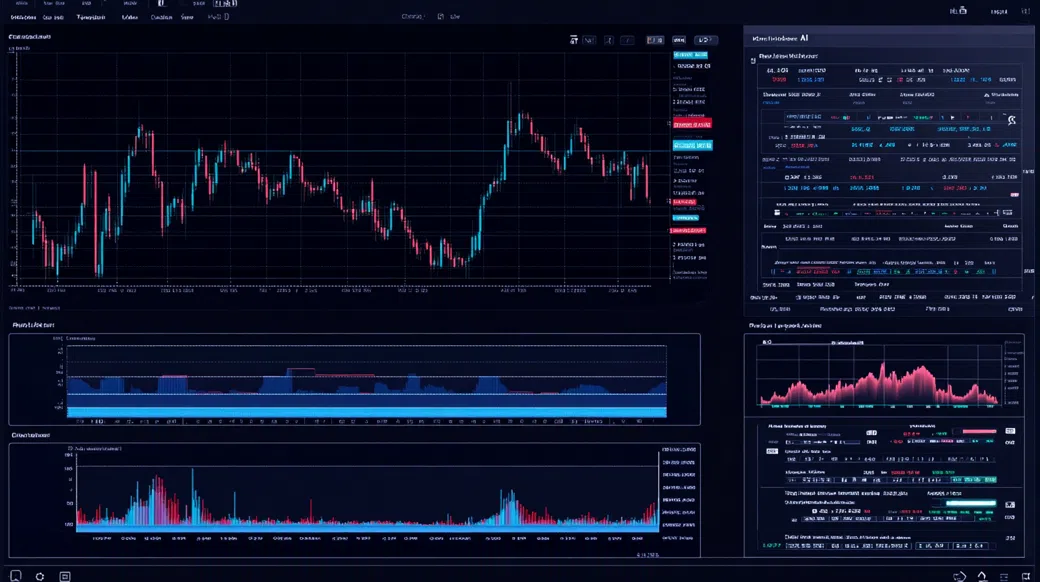
From a Stockholm fixed-income mindset, I judge platforms by discipline: can I see risk, size quickly, and exit cleanly when the tape turns? The WebTrader loaded reliably, sessions stayed stable, and order tickets covered the basics—market, limit, stop, plus take-profit/stop-loss attachments. Execution on liquid FX during the London open felt crisp enough for discretionary trading, though the broader MT4/MT5 ecosystem (EAs, huge indicator libraries) wasn’t something I could confirm as part of the stack, so systematic traders may feel constrained.
Pillar Meridode App: Mobile Trading Experience
The Pillar Meridode app mirrored the browser layout well: watchlists synced, quotes updated in real time, and it was easy to adjust stops with a thumb rather than a mouse. Biometric access worked on my device, which makes the Pillar Meridode login routine less of a chore when markets move. Deposits and withdrawals were accessible inside the app menus, and push notifications for price alerts helped for index levels. One quirk: dense charts on smaller screens can hide order-level context, so I preferred placing new trades on desktop and managing them on mobile.
Charting, Tools & Research
Charting is practical: multiple timeframes, core indicators (MA, RSI, MACD, Bollinger), and the drawing tools you need to mark levels. The embedded economic calendar and news feed are useful for avoiding obvious landmines like CPI or central bank decisions, but it won’t replace a dedicated research terminal. Alerts and watchlists do the job; deeper analytics and strategy testing still belong in MT5/cTrader-style environments.
Pillar Meridode Account Opening & Minimum Deposit
What struck me first was the KYC sequencing: the sign-up asked for standard identity fields, then pushed document upload as soon as I tried to move beyond “browse mode.” I submitted a passport plus a bank statement dated within three months; verification landed the same business day. Funding followed after that, and the back office clearly labeled AML status and limits, which I prefer over ambiguous “pending” screens.
- Minimum Deposit: $200 (this is the Pillar Meridode minimum deposit I saw at checkout)
- Funding Methods: Visa/Mastercard, bank wire, regional e-wallets, and crypto (BTC, USDT)
- Demo Account: $10,000 virtual balance for testing spreads, margin behavior, and platform flow
- Account Types: Standard (spread-only) and Raw/ECN-style (tighter spreads + commission)
Account denomination options were sensible, but keep an eye on conversion if you deposit in SEK/EUR and trade USD-margined instruments. The provider also nudged me to complete KYC before withdrawal—good compliance, but it means you shouldn’t wait until you “need” a payout to upload documents.
Pillar Meridode Customer Support Review
Support quality shows up when you ask an unglamorous question, so I did: I messaged live chat about where swap rates are displayed for US500 and how they change over weekends. A human reply came in roughly three minutes with a clear menu path and a reminder that triple-swap timing can apply depending on instrument. I then emailed a follow-up about card withdrawal timelines; the ticket response arrived later the same day (about nine hours) with method-by-method expectations and a note on KYC completeness.
Coverage is broadly 24/5, which fits the FX week but leaves you on your own during parts of the crypto weekend. Language availability felt serviceable rather than boutique, and I didn’t see strong phone escalation options—typical for this segment. Net-net, it’s adequate for operational questions, not a substitute for your own risk framework.
Ready to Explore Pillar Meridode?
If you’re considering this broker, start by validating what matters: your country eligibility, the live spreads you actually get on your instruments, and how the platform behaves around volatile releases. A demo account can tell you plenty before you commit real margin.
Visit Pillar MeridodePillar Meridode Review FAQ
Is Pillar Meridode good for beginners?
Yes, it can work for beginners who keep position sizes small and treat leverage with respect. The interface is not overly technical, and the demo helps you learn order placement and margin mechanics. The offshore setting means you should be extra strict about risk limits and withdrawal testing early.
Can I trade crypto on Pillar Meridode?
Yes, crypto is available via CFDs, including BTC and ETH plus other large caps. You’re trading price exposure rather than owning coins on-chain. Watch weekend financing and gaps, which can be meaningful with leverage.
Is Pillar Meridode a scam?
No, my Pillar Meridode review did not surface classic scam behavior like deposit traps or blocked account access after KYC. It operated as a functioning CFD broker with working support and a usable platform. The bigger question is protection level: offshore registration generally offers less recourse than Tier-1 regulation.
Is Pillar Meridode available in the USA?
No, the platform restricts USA residents. If you attempt to register from the US, you’ll typically be blocked during onboarding or at KYC. This is consistent with many offshore CFD offerings that avoid US regulatory scope.
How long does a Pillar Meridode withdrawal take?
A Pillar Meridode withdrawal is usually processed internally within 24–48 hours after KYC is cleared. Receipt time depends on the rail: cards commonly take 2–5 business days, wires 3–7 business days, and crypto can arrive the same day. Delays most often come from incomplete documents or intermediary banking checks.
What is the Pillar Meridode minimum deposit?
The Pillar Meridode minimum deposit is $200. That’s enough to test the platform with small sizing, but it’s not a lot of buffer if you use high leverage. If you’re new to CFDs, treat the first deposit as tuition, not trading capital.
Does Pillar Meridode have a mobile app?
Yes, there are iOS and Android apps, and they closely mirror the WebTrader workflow. You can monitor positions, place/modify orders, and manage funding from mobile. For heavy chart work, desktop still feels calmer, but the app is capable for active management.
Final Verdict: Should You Use Pillar Meridode in 2026?
Overall Score: 4.0/5
For traders who measure platforms by execution feel and operational clarity—not marketing gloss—Pillar Meridode lands in the “useful, with conditions” bracket. The Raw/ECN-style pricing can make sense if you’re sensitive to spreads, and the WebTrader/mobile pairing is coherent for day-to-day monitoring. My main restraint is structural: offshore registration means fewer external safety nets, so you should test withdrawals early and keep leverage as a tool, not a personality. CFDs are high-risk instruments, and a single bad session can erase weeks of steady work. If you do proceed, keep your process tight and your expectations realistic with Pillar Meridode.
Best for: active CFD traders who want multi-asset access and can manage leverage. Avoid if: you require Tier-1 regulation, deep research tooling, or long-term investing custody.