Polska Capital AI Trading Platform Alternatives 2026
Compare Polska Capital AI alternatives for 2026: regulated brokers, costs, platforms (MT4/MT5/cTrader), markets, and safety checks for US/EU traders.
Polska Capital AI Trading Platform Alternatives 2026: Reliable Options for Online Traders
Margin trading has a way of turning small frictions into expensive lessons. If you’ve been testing offshore-style CFD platforms lately, you’ve likely run into the same pattern: a clean WebTrader interface, generous leverage, and just enough product breadth to feel “multi-asset”—until you ask for deeper execution detail, tighter pricing, or verifiable oversight. Polska Capital AI sits in that neighborhood for many traders, typically presenting itself as a forex-and-CFD venue with a proprietary browser platform, mobile access, and a product shelf that often includes crypto CFDs alongside indices and commodities.
For a global audience (especially US/EU readers), the real question in 2026 isn’t whether a platform can place an order. It’s whether the entire chain—regulation, custody, KYC/AML standards, execution model, and withdrawal flow—supports the way you manage risk. Based on what is commonly observed among offshore providers operating under frameworks such as the Seychelles FSA, traders may see features like high maximum leverage (often around 1:500), entry-level deposits near $250, and EUR/USD spreads around 2.0 pips on standard-style pricing. That combination can work for small experiments, but it frequently falls short for systematic traders, hedgers, or anyone who cares about predictable slippage and a robust audit trail.
This guide to Polska Capital AI alternatives is built for practical decision-making: which brokers offer stronger investor protections, which platform stacks fit MT4/MT5/cTrader workflows, and how to migrate without tripping over AML rules or open-position risk.
Disclaimer: This article is for informational purposes only and does not constitute investment advice. CFDs and other leveraged products carry a high risk of loss, and you can lose more than your initial deposit depending on the product and protections available.
Key Takeaways (TL;DR)
- Offshore-style CFD pricing (e.g., ~2.0 pips on EUR/USD) can look “fine” until you measure round-turn costs and slippage across real monthly volume.
- EU/UK oversight can add tangible safeguards such as segregated client funds and investor-compensation schemes (FSCS up to £85,000; ICF up to €20,000), depending on entity and eligibility.
- Migration works best when the new account is KYC-verified first; then you close or hedge exposures before requesting withdrawals via the original funding method.
What Is Polska Capital AI and How Does Its Trading Platform Work?
From a market-structure perspective, Polska Capital AI looks like a CFD-first venue aimed at retail traders who want quick access to forex, indices, commodities, and often a slice of crypto exposure via CFDs. In the absence of transparent, tier-one regulatory footprints, the operational setup is typically consistent with offshore brokerage frameworks (commonly associated with jurisdictions such as the Seychelles FSA). That tends to shape everything downstream: leverage can be high (often around 1:500), product line-ups are CFD-heavy, and the client experience is optimized for speed of onboarding rather than institutional-grade disclosures.
Polska Capital AI Web Trading Platform: Core Features and Tools
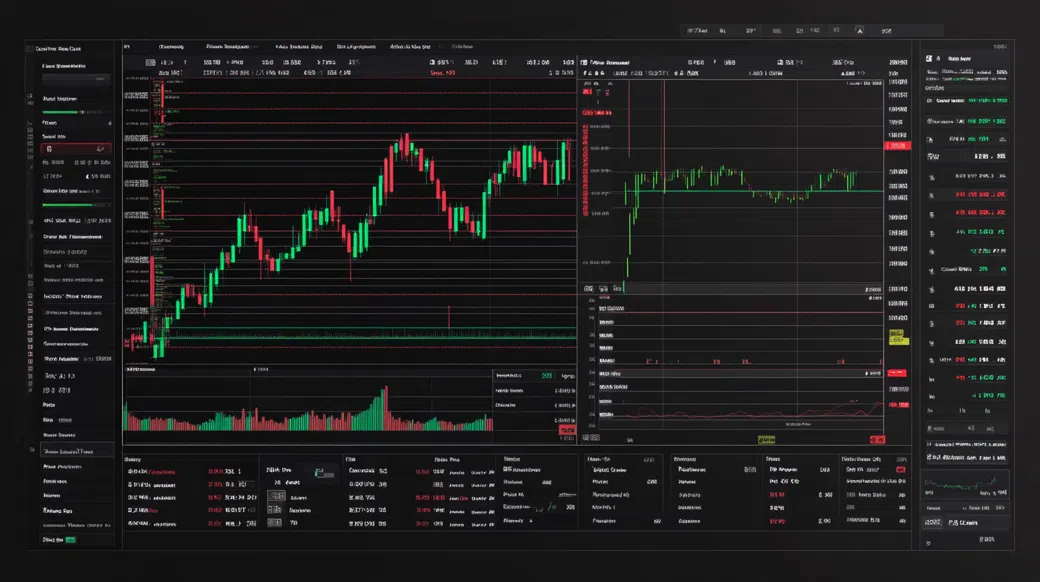
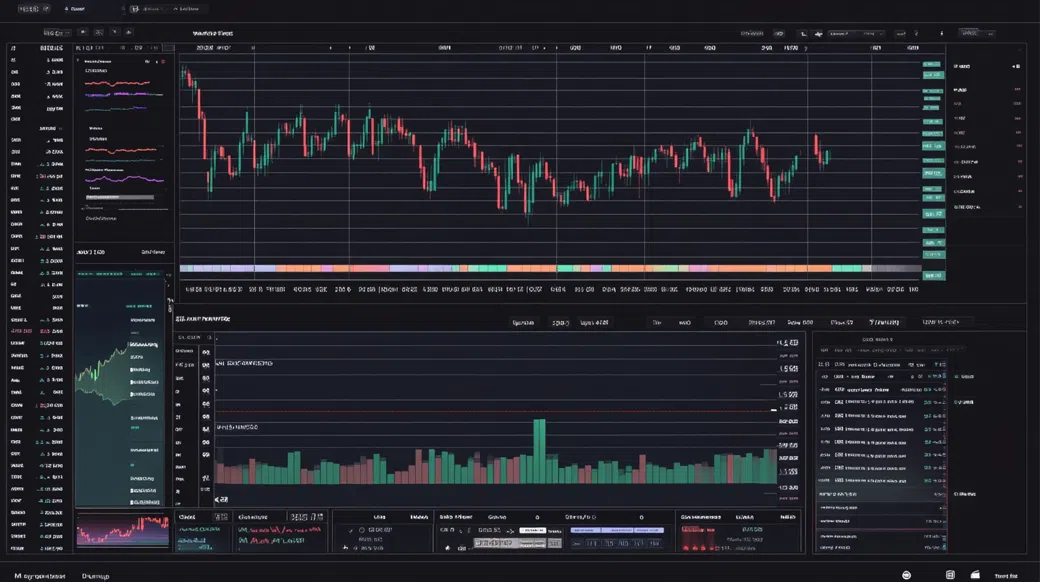
Most platforms like Polska Capital AI lean on a proprietary WebTrader that covers the essentials: watchlists, one-click dealing, and charting that is “good enough” for discretionary setups. Expect a mid-level library of indicators and drawing tools, plus common order types (market, limit, stop) with basic risk controls such as stop-loss and take-profit. Execution feedback can feel responsive in quiet markets, yet the true test is fast conditions—news spikes and thin liquidity—where slippage and requotes (if any) matter more than UI polish. Mobile apps for iOS/Android usually mirror the web layout, with account dashboards focused on margin, equity, and open P/L.
Trading Fees, Spreads, and Account Types at Polska Capital AI
Cost-wise, the offshore CFD segment frequently centers on spread-led pricing. A typical reference point is EUR/USD “from” roughly 2.0 pips on a standard-style account, with higher-leverage tiers sometimes marketed as “premium” without materially changing the all-in trading cost. Some providers in this category also advertise a Raw/ECN-style option—often 0.0–0.4 pips plus a round-turn commission in the $5–$8 range—though the crucial detail is how consistently that pricing is delivered during volatile sessions. Add swap/overnight financing (especially punitive on leveraged holds), and occasionally withdrawal or inactivity charges depending on payment method and account status.
When Do Traders Start Looking for Polska Capital AI Alternatives?
Regime change is the usual trigger: a trader goes from “trying it out” to putting meaningful size through the account, and suddenly the small-print details become the strategy. That’s when Polska Capital AI alternatives move from curiosity to necessity—especially for EU/UK clients who want regulator-backed dispute channels, and for systematic traders who need platform tooling that behaves predictably under stress. One more point I’ve learned the hard way in fixed income: risk is not just volatility; it’s operational reliability. If withdrawals, statements, or margin policy feel inconsistent, your P/L is already exposed.
- You need MT4/MT5 or cTrader for an EA or rule-based workflow that a proprietary WebTrader can’t replicate cleanly.
- You want a regulator-first setup (FCA/ASIC/CySEC/NFA) with clear rules on segregated client funds and negative balance protection where applicable.
- Your strategy is sensitive to spread expansion and slippage around data releases, making ~2.0-pip EUR/USD pricing hard to justify.
- You plan to hold positions overnight and discover swap/financing charges are a larger drag than the entry spread.
How to Choose a Reliable Alternative to the Polska Capital AI Trading Platform
Choosing among competitors to Polska Capital AI is less about “best broker” and more about fit-to-risk-budget. Start with the non-negotiables (regulation, protections, product access), then stress-test the broker’s trading conditions against your own behavior: trade frequency, average hold time, and how often you’re active during high-volatility windows.
Regulation, Safety, and Investor Protection
Regulation is your first filter because it defines the rules of custody and dispute resolution. FCA-regulated firms in the UK may offer FSCS protection up to £85,000 (eligibility depends on the entity and product), while CySEC-regulated EU entities often sit under the ICF framework up to €20,000. Look for segregated client funds policies and published risk disclosures. If you’re comparing regulated options vs Polska Capital AI, verify the broker’s exact legal entity on the regulator’s public register—not the marketing site.
Available Markets and Instruments
CFDs can cover plenty, but they’re not ownership. If you need real stocks/ETFs (with corporate actions and shareholder rights), you’ll likely want a multi-asset broker with direct market access rather than “stocks as CFDs.” Options and futures matter for serious hedging; many CFD-only setups don’t provide them in a transparent way. Match the instrument set to your objective: FX for short-horizon trading, cash equities for longer-term allocation, and listed derivatives for defined-risk hedges.
Trading Costs: Spreads, Commissions, and Other Fees
Compare costs using a round-turn lens: spread plus commission plus expected slippage. A raw account quoting 0.1–0.3 pips can still be expensive if the commission is high and execution deteriorates during your trading hours. Swap/overnight fees are the slow leak—particularly with 1:200+ leverage—so read the financing schedule like you would a bond’s carry. Inactivity and withdrawal fees also belong in the cost model if you trade in bursts.
Platforms, Tools, and Execution Quality
Platform choice is ultimately about what you can measure. MT4/MT5 ecosystems support EAs and a deep indicator library; cTrader is strong for order management and depth-of-market style workflows. Proprietary platforms can be excellent, but you should test order handling in live conditions. Execution model matters too: market maker setups can be perfectly serviceable, while STP/ECN/DMA routing is often preferred by traders who track fill quality and slippage.
Support, Education, and Overall User Experience
When something breaks, response time becomes a trading cost. Prioritize brokers with region-appropriate support hours, clear ticketing, and multilingual coverage if you trade across time zones. Educational material is a bonus, but what matters more is operational clarity: margin-call policy, negative balance protection terms (where offered), and whether the mobile app matches the desktop feature set for managing risk on the move.
Polska Capital AI and Different Asset Classes: When Alternatives May Be Better
Polska Capital AI Forex and CFD Trading
Forex and index CFDs are usually the core offering in alternatives to the Polska Capital AI trading platform, and this is where cost and execution quality show up fastest. With a typical EUR/USD spread around 2.0 pips on standard-style pricing and leverage commonly marketed near 1:500, the math can turn against you if you scalp or trade frequently. Regulated FX/CFD specialists such as Pepperstone or IC Markets are often used as benchmarks because they pair familiar platforms (MT4/MT5/cTrader) with tighter raw pricing structures and clearer execution disclosures. The point isn’t “cheaper is always better”; it’s that tighter spreads reduce the distance your trade must travel before you’re flat, which can materially change a strategy’s break-even rate—especially in choppy European sessions.
Polska Capital AI Stock and ETF Trading
If your 2026 plan includes building a portfolio—not just trading short-term price swings—this is where brokers similar to Polska Capital AI often feel thin. Stock exposure, when offered in the offshore CFD world, is commonly delivered as equity CFDs rather than real shares: no voting rights, no true custody, and financing charges that can surprise longer-term holders. Multi-asset venues like Interactive Brokers and Saxo Bank are built for actual ownership of equities and ETFs, plus access to listed options and futures for hedging. For US/EU readers, that difference is not academic: a cash equity position behaves differently in corporate actions, tax documentation, and risk modeling than a CFD wrapper.
Polska Capital AI Crypto Trading
Crypto is where terminology regularly misleads. Many platforms like Polska Capital AI provide crypto exposure as CFDs—price tracking without on-chain ownership—so you’re trading a leveraged derivative with spreads, financing, and counterparty risk layered on top. If your goal is short-term directional speculation, regulated CFD brokers such as IG or Plus500 (where available and subject to local rules) may offer crypto CFDs with more transparent oversight and risk warnings. If your goal is to own spot crypto, that’s typically outside classic CFD brokerage and requires a different venue entirely. Either way, treat leverage with respect: crypto volatility plus margin can trigger rapid margin calls and forced liquidation.
Best Polska Capital AI Alternatives for 2026: Comparison of Top Trading Platforms
Interactive Brokers (IBKR): Key Facts and How It Compares to Polska Capital AI
Regulation: SEC/FINRA (US), FCA (UK), IIROC (Canada)
Markets: Stocks, ETFs, options, futures, FX, bonds, funds (product access varies by region)
Fees: FX pricing is typically tight with commission-based structures; equities often use low per-share commissions (varies by market and tier)
Platform: Trader Workstation (TWS), IBKR Desktop/Mobile, Client Portal, APIs
Best For: Multi-asset professionals who want listed markets and bond access
Pepperstone: Key Facts and How It Compares to Polska Capital AI
Regulation: FCA (UK), ASIC (Australia), CySEC (EU), DFSA (Dubai)
Markets: FX, CFDs (indices, commodities, some shares as CFDs depending on entity)
Fees: EUR/USD from ~0.0–0.3 pips on Razor/Raw-style pricing plus commission; Standard accounts commonly from ~1.0+ pip
Platform: MT4, MT5, cTrader, TradingView (availability varies), mobile apps
Best For: Systematic FX traders optimizing spreads and execution
Saxo Bank: Key Facts and How It Compares to Polska Capital AI
Regulation: FCA (UK), MAS (Singapore), DFSA (Dubai)
Markets: Stocks, ETFs, bonds, FX, options, futures, CFDs (product set varies by jurisdiction)
Fees: Pricing is tiered; FX spreads can be competitive on higher tiers, with commissions/fees depending on asset class and venue
Platform: SaxoTraderGO, SaxoTraderPRO
Best For: Portfolio-minded traders who want a strong European brokerage stack
IC Markets: Key Facts and How It Compares to Polska Capital AI
Regulation: ASIC (Australia), CySEC (EU), FSA Seychelles (group-level)
Markets: FX, CFDs (indices, commodities, some equities as CFDs depending on entity)
Fees: EUR/USD often quoted from ~0.0–0.2 pips on Raw-style pricing plus commission; Standard accounts typically wider
Platform: MT4, MT5, cTrader
Best For: High-frequency and scalping styles that need raw pricing
IG: Key Facts and How It Compares to Polska Capital AI
Regulation: FCA (UK), ASIC (Australia), MAS (Singapore)
Markets: CFDs (FX, indices, commodities, shares), spread betting (UK/IE where permitted)
Fees: Spread-led pricing; majors can be competitive depending on market conditions and product
Platform: IG Web Platform, mobile app; MT4 available in certain regions
Best For: Macro-driven CFD traders who want broad market coverage
eToro: Key Facts and How It Compares to Polska Capital AI
Regulation: FCA (UK), CySEC (EU), ASIC (Australia)
Markets: Stocks, ETFs, CFDs (availability varies), crypto (offering depends on region and regulation)
Fees: Typically spread-based for CFDs; investing fees differ by asset and region
Platform: eToro proprietary web/mobile platform
Best For: Social-style investing and simplified portfolio discovery
Comparison Summary
| Platform | Regulation | Main Markets | Typical Costs | Best For |
|---|---|---|---|---|
| Interactive Brokers (IBKR) | SEC/FINRA, FCA, IIROC | Stocks/ETFs, options, futures, FX, bonds | Commission-based; generally tight FX pricing; low per-share equity fees (varies) | Multi-asset professionals who want listed markets and bond access |
| Pepperstone | FCA, ASIC, CySEC, DFSA | FX, CFDs | Raw: ~0.0–0.3 pips + commission; Standard: ~1.0+ pip | Systematic FX traders optimizing spreads and execution |
| Saxo Bank | FCA, MAS, DFSA | Stocks/ETFs, bonds, FX, options, futures, CFDs | Tiered pricing by product; competitive on higher tiers | Portfolio-minded traders who want a strong European brokerage stack |
| IC Markets | ASIC, CySEC (plus FSA Seychelles group-level) | FX, CFDs | Raw: ~0.0–0.2 pips + commission; Standard: wider spreads | High-frequency and scalping styles that need raw pricing |
| IG | FCA, ASIC, MAS | CFDs (FX/indices/commodities/shares), spread betting (where permitted) | Spread-led; majors often competitive depending on product/region | Macro-driven CFD traders who want broad market coverage |
| eToro | FCA, CySEC, ASIC | Stocks/ETFs, CFDs (varies), crypto (varies) | Mostly spread-based on CFDs; investing fees vary by asset/region | Social-style investing and simplified portfolio discovery |
How to Safely Move from Polska Capital AI to Another Broker
Switching brokers is a small project, not a click. Treat it the way you’d treat a portfolio rebalance: sequence matters, documentation matters, and haste is where operational risk creeps in. The cleanest approach is to get the new account fully verified, then unwind exposure in a controlled way—because leveraged CFDs can move faster than your withdrawal request settles. If you’re moving away from Polska Capital AI, build in time for AML checks and avoid leaving positions open during the transition.
- Confirm the new broker’s legal entity on the regulator’s site (FCA Register, ASIC Connect, CySEC register, or NFA BASIC) and match the entity name to your account paperwork.
- Open the new account and complete KYC (ID and proof of address) before you touch your existing setup; verification is often quick, but weekends and document mismatches delay it.
- Export statements, trade history, and funding records from the old platform for tax and audit purposes—screenshots are not a substitute for downloadable reports.
- Flatten or hedge open positions instead of assuming they can be transferred; most retail CFD positions do not port across brokers.
- Request withdrawals using the original deposit method when possible; many payment rails enforce this due to AML rules, and mismatches can slow processing.
Ready to Explore Polska Capital AI?
If you’re still evaluating whether the current platform suits your 2026 plan, review the latest onboarding steps, regional availability, and trading conditions directly on the provider’s site. Then compare like-for-like: account entity, leverage limits, cost model, and platform tooling—before you commit meaningful capital.
Visit Polska Capital AIFAQ: Polska Capital AI Alternatives and Trading Platforms
What is the best alternative to Polska Capital AI in 2026?
The best choice depends on whether you need real markets or mainly CFDs. For multi-asset access (including stocks, ETFs, and listed derivatives), Interactive Brokers or Saxo Bank are strong references; for FX/CFD execution with MT4/MT5/cTrader, Pepperstone or IC Markets are common picks. If your priority is a broad CFD catalog with established oversight, IG is also frequently shortlisted among the best Polska Capital AI alternatives 2026.
Is Polska Capital AI a safe broker/platform?
Polska Capital AI appears consistent with offshore/unregulated-style brokerage setups, commonly associated with jurisdictions such as the Seychelles FSA rather than tier-one regulators like the FCA, ASIC, CySEC, or NFA. That doesn’t automatically mean fraud, but it does mean fewer formal investor-protection layers and typically less robust recourse mechanisms. If safety is your priority, regulated options vs Polska Capital AI should be your starting point, and you should verify the exact entity on the regulator’s public register.
Can I trade stocks, futures, or crypto with Polska Capital AI?
Polska Capital AI is typically positioned around forex and CFDs, and crypto exposure—when offered—is commonly via crypto CFDs rather than on-chain ownership. Real stocks/ETFs and listed futures are often not the core product in this segment, and any “stocks” may be delivered as CFDs without ownership rights. If you need listed futures or true equity custody, top substitutes for Polska Capital AI include Interactive Brokers and Saxo Bank.
What should I check before switching from Polska Capital AI to another platform?
Before switching, verify the new broker’s regulator and legal entity, then complete KYC so you’re not stuck mid-transfer. Next, reconcile your open risk: close positions or plan new entries on the new venue, because retail CFD positions rarely transfer. Finally, download full statements and follow AML-compatible withdrawal routes from Polska Capital AI (often the original deposit method) to reduce delays.
About the Author: Erik Lindström is a Stockholm-based financial journalist and former fixed-income analyst focused on European brokerage ecosystems and Nordic fintech innovation. He writes from a trader’s perspective, where risk management is an art shaped by incentives, market structure, and operational detail—not a spreadsheet exercise.