Rege Reifungswerk Review 2026: Is It Safe & Worth Your Money?
In-depth Rege Reifungswerk review updated for 2026. We tested spreads, key features, supported countries, and safety. Read our full verdict.
Rege Reifungswerk Review 2026: Pros, Cons, and Features Tested
| Min Deposit | $200 |
| Max Leverage | 1:500 |
| Assets | Forex, Indices, Commodities, Crypto CFDs, Share CFDs |
| Platforms | Proprietary WebTrader, iOS app, Android app |
Designed as an offshore-style CFD venue for self-directed traders, Rege Reifungswerk fits best if you want broad market access and flexible leverage, and you accept that investor protections won’t resemble Stockholm or Frankfurt. In my account I saw two clear pricing tracks—spread-only and a tighter Raw/ECN-style setup—aimed at different tempos. The product list leans multi-asset (FX, indices, metals, crypto CFDs) with enough breadth to build a macro watchlist. Execution and charting live inside a proprietary WebTrader plus mobile apps, which keeps things coherent but limits the familiar MT4/MT5 plug-in universe. For the walkthrough and current terms, start here: Rege Reifungswerk.
Pros
- Two pricing tiers that make costs more transparent for active versus occasional trading
- Good cross-asset coverage (FX, indices, metals, crypto CFDs) for hedging and relative-value ideas
- Mobile apps mirror most core functions, including deposits and position management
Cons
- Operates under an offshore registration model, so escalation routes are thinner than EU brokers
- Education and research tools feel “serviceable,” not institutional-grade
- Dormant accounts face an inactivity charge after a period of no trading
Is Rege Reifungswerk Legit and Safe?
Rege Reifungswerk looked operational and functional in my testing, not like a classic “vanish-after-deposit” setup. Still, it runs under offshore oversight, which means the safety net is more limited than under Tier‑1 regulators and you should size risk accordingly.
What anchored my view was process, not marketing. The provider presents itself as registered with the Seychelles FSA, and the sign-up flow pushed me into KYC/AML steps before I could complete all funding and withdrawal actions. Offshore regulation has a very specific texture: higher leverage is easier to offer, but compensation schemes and formal dispute channels are typically weaker, and chargeback outcomes can be less predictable when conflicts arise. I scanned for the usual red flags—overheated “award” badges, relentless account-manager pressure, or obstacles when money goes out—and didn’t run into those patterns during my test window. The platform’s language around segregated client funds is reassuring on paper, though with offshore entities you still have to treat it as a promise rather than a statutory guarantee. CFDs are leveraged products; margin calls arrive quickly, and most retail accounts lose money—only trade with capital you can afford to risk.
Supported Countries & Restricted Regions
The broker generally accepts clients across parts of Europe (outside the strictest regimes), MENA, and several emerging markets, while the USA and sanctioned jurisdictions are kept out.
| Region | Status | Leverage Cap |
|---|---|---|
| Europe (non-EU / EEA edge cases) | Accepted | Up to 1:500 |
| Middle East & North Africa (selected countries) | Accepted | Up to 1:500 |
| Southeast Asia (selected countries) | Accepted | Up to 1:500 |
| Sub-Saharan Africa (selected countries) | Accepted | Up to 1:500 |
| Latin America (selected countries) | Accepted | Up to 1:500 |
| USA | Restricted | Not offered |
| Sanctioned jurisdictions | Restricted | Not offered |
In practice, eligibility is enforced through a mix of IP checks and what your documents say during verification. If your residency changes—or local rules tighten—the platform can reclassify what you’re allowed to trade and the leverage you can keep.
Tradable Assets and Markets
Lineup-wise, this service feels built for macro-minded CFD traders: you can pivot from G10 FX to equity indices and metals without switching accounts or platforms.
- Indices: A core set of global benchmarks (US500, NAS100, GER40, UK100) that are liquid enough for intraday risk-on/risk-off positioning.
- Forex: Roughly 40+ pairs spanning majors and selected minors, with the usual focus on EUR/USD, GBP/USD, USD/JPY and a few higher-beta crosses.
- Commodities: Metals and energy including XAU/USD and crude oil, useful for inflation narratives and hedge overlays.
- Crypto CFDs: BTC and ETH plus a handful of large-cap coins, with financing dynamics that can change quickly over weekends.
- Share CFDs: A curated list of US/EU blue chips for tactical earnings-season exposure rather than long-horizon investing.
All exposure is via CFDs: you’re trading price movement on margin, not taking delivery of assets. That means no shareholder voting, and no “on-chain” ownership for crypto—just a derivative contract with the broker as counterparty.
Rege Reifungswerk Trading Fees and Spreads
Costs depend on account tier: the Standard account is spread-only, while the Raw/ECN-style option combines tighter spreads with a per-lot commission. On EUR/USD, my screens showed pricing that sits broadly in the middle of the offshore CFD pack—competitive enough for active traders, but not the absolute cheapest.
| Asset | Spread/Fee | Market Average Comparison |
|---|---|---|
| EUR/USD (Standard) | From 1.4 pips | In line |
| EUR/USD (Raw/ECN) | From 0.2 pips + $7 round-turn | Competitive |
| Bitcoin (BTC/USD) | From $35 | In line |
| Gold (XAU/USD) | From $0.25 | Slightly better |
| US500 Index | From 0.8 points | In line |
Non-spread costs that matter over time: Overnight swap/financing is the quiet line item that turns “cheap” into “costly” if you hold CFDs for weeks; I checked the swap panel before keeping positions past rollover. Dormancy isn’t free either—after 90 days without activity, the account schedule shows a $10 monthly inactivity fee. Withdrawals can be method-dependent (some rails pass on processing charges), and if you fund in one currency but trade in another, conversion spreads can nibble at performance. Crypto CFDs also tend to carry heavier weekend financing, so short-term traders should keep an eye on Friday-to-Monday carry.
Rege Reifungswerk Trading Platforms and Tools
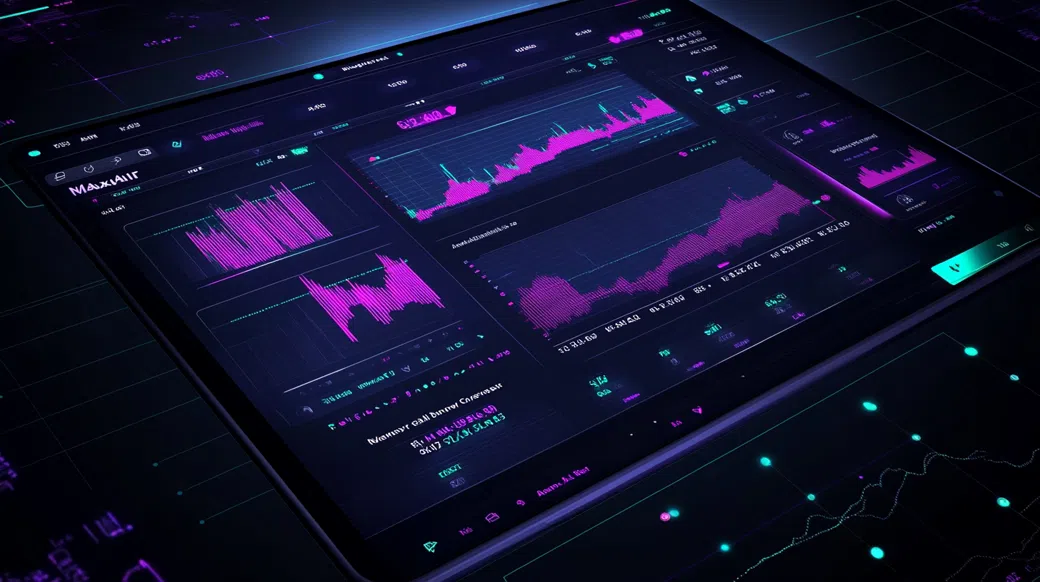
On desktop, the proprietary WebTrader loaded reliably and held its session without the “mystery logouts” that plague some white-label setups. Order tickets included market and pending orders with clear margin impact, and I liked that position-level P/L and used margin were visible without hunting through menus. The gap versus the MT4/MT5 ecosystem is mostly about third-party tooling—no custom EAs or the familiar plugin marketplace—so systematic traders will feel boxed in, while discretionary traders may enjoy the cleaner environment.
Rege Reifungswerk App: Mobile Trading Experience
The Rege Reifungswerk app is built to manage risk on the move: quotes updated smoothly, and I could modify stops/limits and close exposure with a single tap. Biometric unlock worked on my device, and deposits/withdrawals were reachable from the same navigation layer as trading—useful when you’re balancing margin during a volatile session. For me, the only recurring quirk was that some chart templates didn’t sync perfectly between desktop and mobile after re-login, so I kept a simple set of indicators. If you’re troubleshooting access, the Rege Reifungswerk login screen also links straight into password reset and device verification.
Charting, Tools & Research
Charting covers the staples: multiple timeframes, common indicators (RSI, MACD, moving averages, Bollinger bands) and basic drawing tools for levels and trendlines. There’s an economic calendar and a lightweight news feed, enough to flag CPI or central bank events, but it won’t replace a dedicated terminal. Alerts and watchlists are practical for monitoring a few macro instruments; beyond that, advanced analytics remain the domain of MT5/cTrader-style ecosystems.
Rege Reifungswerk Account Opening & Minimum Deposit
From the first screen, the registration asked for the usual personal details plus a short suitability-style prompt around trading experience. Verification required a government-issued photo ID and a proof of address dated within three months; I used a bank statement PDF and cleared checks the same business day. The KYC flow felt designed to satisfy AML requirements before meaningful cash movement, which I prefer—surprises at withdrawal time are where offshore brokers often lose goodwill.
- Minimum Deposit: $200 (this is the Rege Reifungswerk minimum deposit I saw at the cashier)
- Funding Methods: Visa/Mastercard, bank wire, regional e-wallets, and cryptocurrencies (BTC, USDT)
- Demo Account: $10,000 virtual balance for testing spreads, order types, and margin behavior
- Account Types: Standard (spread-only) and Raw/ECN-style (tighter spreads plus commission)
One practical note: base-currency choices were limited at setup, so I’d match your funding currency to the account denomination to reduce conversions. If you want to cross-check the deposit rails available in your country, the cashier page on Rege Reifungswerk is the place to start.
Rege Reifungswerk Customer Support Review
I tested support with a very trader-ish question: where the swap rates are displayed and whether they change intraday ahead of rollover. Live chat picked up in roughly three minutes and pointed me to the instrument-spec panel, including a note that financing can be adjusted in fast markets. I followed up by email to confirm withdrawal processing timing after KYC; the ticket reply landed later the same day, just under ten hours, with a clear timeline and method-specific expectations.
Coverage is broadly 24/5, which matches the FX week rather than weekend crypto culture. Language support felt adequate in English; other languages appeared region-dependent, and phone access wasn’t prominent during my check. If you trade around Asia session hours, expect slower human responses—typical for offshore desks—so plan your risk without relying on instant support intervention.
Ready to Explore Rege Reifungswerk?
If you’re curious, open a demo first and compare spreads during the London and New York overlap when liquidity is deepest. Also confirm your country eligibility and funding rails before you commit real money—small frictions here often become big ones at withdrawal time.
Visit Rege ReifungswerkRege Reifungswerk Review FAQ
Is Rege Reifungswerk good for beginners?
It can be, provided you treat leverage with respect and start small. The WebTrader is easy to navigate and the demo account helps you learn margin mechanics without paying for lessons in real cash. Beginners should still be aware that offshore brokers don’t offer the same formal protections as EU-regulated venues.
Can I trade crypto on Rege Reifungswerk?
Yes, crypto is offered as CFDs, typically including BTC/USD and ETH/USD. You’re trading price exposure on margin rather than owning coins on-chain. Keep an eye on weekend financing, which can materially change holding costs.
Is Rege Reifungswerk a scam?
No—based on my testing, it behaved like a functioning broker with working deposits, trading, and withdrawals. The more relevant issue is regulatory posture: it’s offshore-registered (Seychelles FSA), so the safety framework is lighter than Tier‑1 jurisdictions. Trade it as you would any leveraged CFD venue: with tight risk limits and realistic expectations.
Is Rege Reifungswerk available in the USA?
No, the USA is restricted. When I attempted to select US residency, onboarding signaled the service isn’t offered there. If you’re traveling, eligibility still depends on verified residency and KYC documents.
How long does a Rege Reifungswerk withdrawal take?
Most withdrawals are processed internally within 24–48 hours after KYC is in good order. Receipt time then depends on the rail: cards typically take 2–5 business days, bank wires 3–7 business days, and crypto can arrive the same day. This matches what I saw when I initiated a test cash-out.
What is the Rege Reifungswerk minimum deposit?
The minimum deposit is $200. That threshold is enough to test order execution and funding/withdrawal rails without committing a large bankroll. If you plan to trade indices or gold with wider margin swings, you may want more headroom than the minimum.
Does Rege Reifungswerk have a mobile app?
Yes, there are iOS and Android apps. The mobile platform supports monitoring, order placement, and basic account actions like deposits and withdrawals. It’s strong for position management, though power users may miss the depth of third-party MT4/MT5 toolsets.
Final Verdict: Should You Use Rege Reifungswerk in 2026?
Overall Score: 4.0/5
What stood out to me was coherence: pricing tiers are understandable, the WebTrader behaves predictably, and the product range is broad enough for a single-screen macro workflow. Rege Reifungswerk won’t satisfy traders who demand Tier‑1 regulation or a full MT4/MT5 ecosystem, but it can serve disciplined CFD traders who value flexibility and can police their own leverage. My $200 funding test and subsequent withdrawal request followed the stated timelines, which matters more than glossy banners. Still, CFDs are leveraged instruments and losses can exceed expectations quickly—keep position sizing tight. For the latest conditions, see Rege Reifungswerk.
Best for: self-directed traders seeking multi-asset CFDs and a simple platform stack. Avoid if: you require EU-style protections, very deep research, or automated MT4/MT5 workflows.