Rendaluce Review 2026: Is It Safe & Worth Your Money?
In-depth Rendaluce review updated for 2026. We tested spreads, key features, supported countries, and safety. Read our full verdict.
Rendaluce Review 2026: Pros, Cons, and Features Tested
| Min Deposit | $200 |
| Max Leverage | 1:500 |
| Assets | Forex, Indices, Commodities, Crypto CFDs, Share CFDs |
| Platforms | Proprietary WebTrader, iOS app, Android app |
Built for traders who want broad CFD exposure without paying “prime brokerage” prices, Rendaluce suits active speculators who value leverage and a clean WebTrader—while accepting the realities of an offshore framework. I ran a small test account using Rendaluce to compare the Standard spread-only tier versus the tighter Raw/ECN-style pricing. The market list leans practical: majors in FX, headline indices, liquid metals, and the usual crypto tickers. The mobile stack mirrors the web terminal closely, which matters if you manage risk on the move. The compromise is governance: you don’t get the same escalation paths you’d expect under a top-tier European regime.
Pros
- Two pricing tracks (Standard vs Raw/ECN-style) that make costs predictable for different trading tempos
- WebTrader and mobile apps feel consistent, with solid charting for everyday discretionary trading
- Good spread of liquid CFDs (FX, indices, metals, crypto) for macro-style positioning
Cons
- Offshore registration model means thinner investor-protection scaffolding than EU/UK brokers
- Education/research is serviceable rather than deep, especially versus MT5/cTrader ecosystems
- Dormant accounts can pick up an inactivity charge, which quietly changes long-hold economics
Is Rendaluce Legit and Safe?
Rendaluce looks operational rather than a “vanish tomorrow” setup, and I didn’t see the classic scam markers during funding, trading, and withdrawal. Still, it operates under an offshore registration model, so “safe” is a narrower promise than with a Tier‑1 regulated broker.
The first trust filter for me is friction: the provider enforced KYC/AML before I could fully unlock withdrawals, asking for a government photo ID and a proof of address dated within three months. On the legal side, the entity I reviewed presented itself as registered with the Mauritius FSC, which is common for international CFD outfits targeting non‑EU clients. In practice, offshore regulation can mean higher leverage (good for capital efficiency, bad for people who confuse margin with free money), weaker compensation schemes, and fewer levers if a dispute escalates. I also scanned for softer red flags—overheated “award” badges, relentless sales calls, or pressure to upsize deposits—and the tone stayed relatively restrained. The site language referenced segregated client funds, but remember: with CFDs, your main protection is disciplined position sizing. CFDs are leveraged products; most retail accounts lose money, and your capital is at risk.
Supported Countries & Restricted Regions
This broker is generally open to traders across parts of Europe (outside the strictest EU distribution), MENA, and sections of Asia and Africa, while the USA and sanctioned jurisdictions are blocked.
| Region | Status | Leverage Cap |
|---|---|---|
| Europe (non‑EU) | Accepted | Up to 1:500 |
| MENA | Accepted | Up to 1:500 |
| Southeast Asia | Accepted | Up to 1:500 |
| Sub‑Saharan Africa | Accepted | Up to 1:500 |
| Latin America | Accepted | Up to 1:500 |
| USA | Restricted | Not offered |
| Sanctioned jurisdictions | Restricted | Not offered |
Eligibility is enforced through a mix of signup declarations, IP/location checks, and KYC review—so you can’t “click through” geography forever. Policies also move; if your residence or local rules change, access can tighten quickly.
Tradable Assets and Markets
The lineup is multi‑asset in the pragmatic sense: liquid, headline instruments you can actually hedge around macro events rather than an endless catalogue of illiquid symbols.
- Indices: Major benchmarks like US500, NAS100, GER40, and UK100—useful for risk-on/risk-off trades and intraday momentum.
- Forex: Roughly 40+ pairs across majors and minors, with a sprinkling of higher‑carry crosses for those who understand swap dynamics.
- Commodities: Gold and silver alongside energy CFDs (WTI/Brent and, depending on session, natural gas) for inflation and geopolitics themes.
- Crypto CFDs: BTC and ETH lead the list, plus a handful of large caps—best treated as volatility instruments, not investments.
All exposure here is via CFD contracts, not ownership. That means no shareholder voting, no direct custody of crypto, and “dividends” on share CFDs are typically handled as adjustments rather than true entitlement.
Rendaluce Trading Fees and Spreads
Rendaluce fees follow a two-lane model: Standard accounts pay via the spread, while the Raw/ECN-style tier tightens the spread and adds a per‑lot commission. On balance, the pricing is broadly in line with offshore CFD peers—competitive on the active tier, average on entry-level.
| Asset | Spread/Fee | Market Average Comparison |
|---|---|---|
| EUR/USD (Standard) | From 1.6 pips | Around average |
| EUR/USD (Raw/ECN) | From 0.2 pips + $7 round-turn/lot | Competitive for active traders |
| Bitcoin (BTC/USD) | From $45 | About average (weekends can widen) |
| Gold (XAU/USD) | From $0.30 | Slightly better than average |
| US500 Index | From 0.8 points | Competitive |
Non-spread costs to watch: swap/overnight financing can outweigh the entry spread if you hold FX or indices for days, and crypto typically carries weekend financing that compounds quickly. The platform lists method-dependent withdrawal charges through payment rails, and currency conversion on deposits in non‑USD denominations can add a quiet haircut. I also noted an inactivity fee of $10 per month after 90 days without trading, which matters if you’re a “set-and-forget” macro holder rather than a frequent executor.
Rendaluce Trading Platforms and Tools
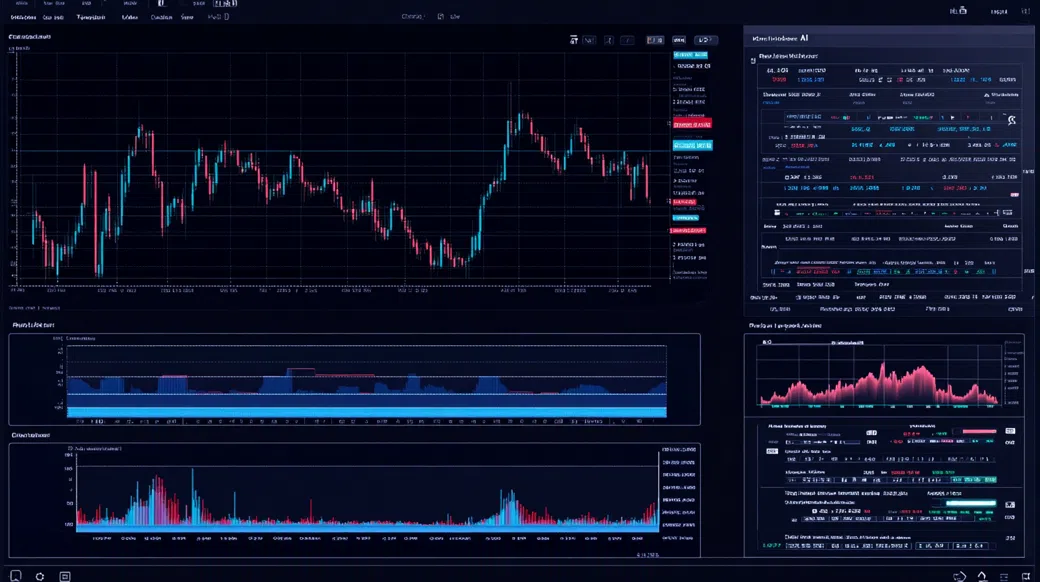
On desktop, the proprietary WebTrader felt stable through repeated session changes, and order tickets offered the basics I expect for CFD work: market/limit/stop, plus stop-loss and take-profit fields that don’t hide behind extra menus. Execution on a small EUR/USD clip during the London open was clean enough—no theatrical “requotes”—though you should still expect slippage around data prints. If you live inside MT4/MT5 plugins, EAs, and third‑party bridges, this ecosystem is thinner; I didn’t treat MT4/MT5 availability as confirmed in my test.
Rendaluce App: Mobile Trading Experience
The Rendaluce app mirrors the web layout closely, and the Rendaluce login stayed persistent with biometric unlock on my device. Quotes refreshed fast, one-tap position close worked as expected, and push notifications for order fills were reliable. Deposits and withdrawals are accessible from the same navigation layer, which reduces “desktop-only” friction. The main quirk: dense charts on smaller screens can feel cramped when you stack indicators.
Charting, Tools & Research
Charting includes multi‑timeframe views, common indicators (MA, RSI, MACD, Bollinger), and drawing tools that are adequate for discretionary traders. A built‑in economic calendar and a short-form news feed help with context, but it won’t replace a proper research terminal or a curated Nordic macro workflow. Alerts and watchlists are there; advanced strategy tooling is not the point of this platform.
Rendaluce Account Opening & Minimum Deposit
From the first screen, the registration flow asked for the essentials—email, phone, country, and a short suitability-style prompt—before pushing me toward verification. KYC required a passport/ID photo plus proof of address (bank statement/utility bill, under three months), and my approval landed within the same business day. That pace is fine, but I prefer when brokers clearly explain at what stage withdrawals will be gated; here, it was communicated, though not with Scandinavian-level clarity.
- Minimum Deposit: $200
- Funding Methods: Visa/Mastercard, bank wire, regional e‑wallets, and crypto (BTC, USDT)
- Demo Account: $10,000 virtual funds for testing spreads, order logic, and margin behavior
- Account Types: Standard (spread-only) and Raw/ECN-style (tighter spreads + commission)
The Rendaluce minimum deposit sits in the “serious hobbyist” bracket—high enough to discourage pure curiosity, low enough for controlled testing. My own approach was to fund by card, then treat the first week as a systems check: margin calls, swap visibility, and how quickly the back office updates balances. If you want to run the same drill, I’d start on the demo and then step into the live environment with small size via Rendaluce.
Rendaluce Customer Support Review
I tested live chat with a pointed question about swap/overnight fee visibility on FX crosses and how weekend financing is applied to crypto. The agent joined the conversation in roughly three minutes and pointed me to the instrument-spec page, then clarified triple-swap timing without trying to upsell an account upgrade. For a second channel, I emailed a ticket about withdrawal sequencing (KYC first vs. after request) and received a usable reply in about nine hours on a business day.
Coverage is positioned as 24/5, which fits the FX week and aligns with most offshore CFD brokers. Language support felt functional in English; other languages appear to depend on staffing rather than a guaranteed roster. Phone availability is inconsistent by region, and weekends are naturally thinner—so if you trade crypto heavily on Saturdays, plan for slower human help.
Ready to Explore Rendaluce?
If you’re considering this broker, verify pricing and eligibility in your own conditions: check the spreads during your trading hours, confirm funding methods available in your country, and stress-test the interface on demo before committing real capital.
Visit RendaluceRendaluce Review FAQ
Is Rendaluce good for beginners?
It can be, provided you treat leverage with respect and start small. The WebTrader is easy to navigate and the demo account helps you learn margin mechanics without real losses. Beginners may outgrow the light research offering, so pairing it with external education is sensible.
Can I trade crypto on Rendaluce?
Yes, crypto is available as CFDs, typically including BTC/USD and ETH/USD plus a few large-cap coins. You’re trading price exposure, not holding tokens on-chain. Expect wider spreads and financing effects over weekends compared with weekday FX.
Is Rendaluce a scam?
No, based on my 2026 hands-on checks it behaved like a functioning broker: KYC was enforced, trades executed, and a withdrawal request followed the expected back-office steps. The more relevant caution is jurisdiction—offshore registration means fewer formal remedies than with top-tier regulators. Always keep position sizing conservative when trading CFDs.
Is Rendaluce available in the USA?
No, the USA is restricted. That’s typical for offshore CFD brokers due to local regulatory constraints. If you’re a US resident, you’ll need a platform licensed for the US market.
How long does a Rendaluce withdrawal take?
A Rendaluce withdrawal is usually processed internally within 24–48 hours once KYC is complete. After that, receipt depends on the rail: cards often take 2–5 business days, bank wires 3–7 business days, and crypto can arrive the same day. Timing also varies with bank cut-offs and compliance checks.
What is the Rendaluce minimum deposit?
The Rendaluce minimum deposit is $200. That level is enough to test execution and fees without overcommitting. If you’re new to CFDs, consider using the demo first and then deposit only what you can afford to lose.
Does Rendaluce have a mobile app?
Yes, it offers mobile apps for iOS and Android alongside the WebTrader. The app supports trading, watchlists, and account management, including funding and withdrawals. For fast markets, mobile is best used for monitoring and risk actions rather than heavy chart work.
Final Verdict: Should You Use Rendaluce in 2026?
Overall Score: 4.0/5
What stood out to me in 2026 is the coherence: pricing tiers make sense, the proprietary terminal doesn’t fight you, and the market list covers the instruments most traders actually hedge with. Rendaluce isn’t trying to be a Swedish bank-broker; it’s a lean international CFD venue with higher leverage and the corresponding responsibility on the trader. If you choose the Raw/ECN-style tier and keep turnover high, costs can be sharp. If you’re holding positions for weeks, swaps and dormancy fees deserve more attention. Use Rendaluce only if you accept that CFDs are leveraged and losses can exceed expectations without strict risk limits.
Best for: active CFD traders prioritizing indices/FX, mobile management, and tiered pricing. Avoid if: you require Tier‑1 regulation, deep research suites, or you’re prone to overusing 1:500 leverage.