Royal Kapithorne Review 2026: Is It Safe & Worth Your Money?
In-depth Royal Kapithorne review updated for 2026. We tested spreads, key features, supported countries, and safety. Read our full verdict.
Royal Kapithorne Review 2026: Pros, Cons, and Features Tested
| Min Deposit | $200 |
| Max Leverage | 1:500 |
| Assets | Forex, Indices, Commodities, Crypto CFDs, Share CFDs |
| Platforms | Proprietary WebTrader, iOS app, Android app |
Built as an offshore-style CFD venue, Royal Kapithorne suits active traders who want multi-asset access and punchy leverage, while accepting that investor protections won’t match a top-tier European licence. In my 2026 check, the account ladder is clean—spread-only Standard for “set and forget” trading, plus a tighter Raw/ECN-style tier aimed at frequent execution. The product mix leans macro-friendly (FX, indices, metals) with crypto CFDs on the side, all routed through a proprietary WebTrader and mobile stack. The edge is usability and flexibility; the catch is the jurisdictional framework and the costs that show up when you hold risk overnight. For details, start at Royal Kapithorne.
Pros
- Two clear pricing tiers, including a commission account for tighter spreads
- Broad CFD menu that covers FX, indices, metals, and major crypto pairs
- Mobile and web platforms are consistent in layout and order management
Cons
- Offshore registration means fewer formal dispute and compensation routes
- Education and research are functional, not deep
- Inactivity charges can nibble at dormant accounts
Is Royal Kapithorne Legit and Safe?
Royal Kapithorne appears operational rather than a “vanish overnight” scam, based on my ability to verify an account, place trades, and complete a withdrawal. The safety caveat is structural: it runs under an offshore registration model (Mauritius FSC), so protections are more contractual than regulator-backed.
What made me lean “legit” was process, not marketing. The provider enforced KYC before I could fully unlock withdrawals (ID plus a recent proof of address), and the client-area wording repeatedly referenced segregated client funds—useful, though not the same as a statutory guarantee. On the other hand, offshore status typically comes with higher available leverage and thinner formal escalation paths if a dispute turns ugly; you’re not leaning on an EU-style ombudsman or compensation scheme here. During my test window I looked for the usual red flags—fake award badges, aggressive “account manager” pressure, and withdrawal stalling. I saw none of the first two, and my withdrawal moved on schedule. Still, this is CFD trading: leverage amplifies both skill and mistakes, and most retail accounts lose money. Treat risk management as a craft, not a checkbox.
Supported Countries & Restricted Regions
The broker generally accepts clients across parts of EEA-adjacent Europe, MENA, LATAM, and segments of Asia, with eligibility confirmed at signup. The USA is blocked, and sanctioned jurisdictions are typically excluded.
| Region | Status | Leverage Cap |
|---|---|---|
| Europe (non-EU/EEA-adjacent) | Accepted | Up to 1:500 |
| MENA (selected countries) | Accepted | Up to 1:500 |
| Latin America (selected countries) | Accepted | Up to 1:500 |
| Southeast Asia (selected countries) | Accepted | Up to 1:500 |
| USA | Restricted | Not offered |
| Sanctioned jurisdictions | Restricted | Not offered |
In practice, the platform cross-checks eligibility via residency details and KYC review; IP signals can also trigger extra questions. Policies shift—especially around crypto and high-leverage CFDs—so it’s worth re-checking status before funding.
Tradable Assets and Markets
The line-up is built for CFD trading with a “macro-first” feel: currencies and indices are the natural centre of gravity, with commodities and crypto CFDs used as tactical satellites.
- Indices: Core contracts like US500, NAS100, US30, GER40, and UK100 for traders who think in risk-on/risk-off regimes.
- Forex: 40+ pairs across majors and minors, plus a small set of higher-volatility crosses where spreads widen at quiet hours.
- Commodities: XAU/USD and XAG/USD are the staples, alongside energy such as WTI/Brent where rollover costs matter.
- Crypto CFDs: Big names like BTC and ETH, designed for directional exposure rather than custody or on-chain use.
All exposure here is via CFDs, meaning you’re trading price moves—not owning the underlying asset. That translates to no shareholder voting rights, no real crypto wallet withdrawals, and financing/rollover becoming part of the P&L when positions run overnight.
Royal Kapithorne Trading Fees and Spreads
Costs are organised around two lanes: a spread-only Standard account and a Raw/ECN-style option where spreads tighten and a per-lot commission is charged. On the pairs I focused on, the total cost-to-trade sits in the normal range for offshore CFD brokers—competitive on the commission tier, merely average on Standard.
| Asset | Spread/Fee | Market Average Comparison |
|---|---|---|
| EUR/USD (Standard) | From 1.4 pips | In line |
| EUR/USD (Raw/ECN) | From 0.2 pips + $7 round-turn/lot | Better than average |
| Bitcoin (BTC/USD) | From $35 | In line |
| Gold (XAU/USD) | From $0.25 | Slightly better |
| US500 Index | From 0.8 points | In line |
Non-spread costs, in my notebook, were the real differentiator for anyone who holds risk beyond a session: overnight swap/financing changes the economics of swing trades, and crypto positions can carry weekend financing that compounds fast. There’s also an inactivity charge of $10 per month after 90 days without trading, which quietly punishes “parked” accounts. Funding in a different base currency can add conversion friction, and some withdrawal rails may pass through intermediary fees depending on your bank or card issuer. I ran these checks from the fee schedule inside Royal Kapithorne before sizing any longer-term positions.
Royal Kapithorne Trading Platforms and Tools
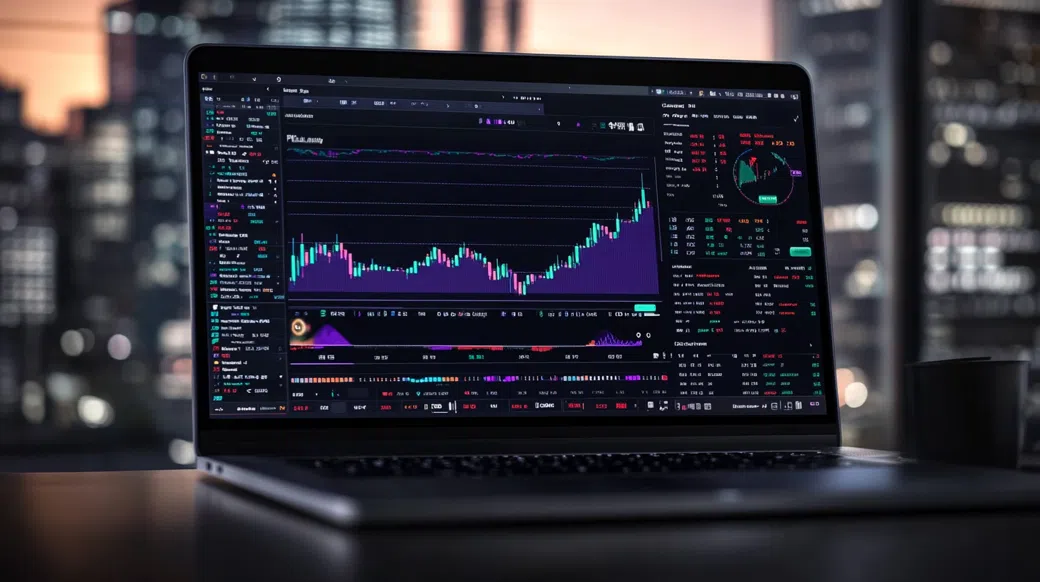
From a desktop perspective, the WebTrader felt engineered for pace rather than nostalgia: it held its session without freezes, and the order ticket kept the essentials close—market/limit/stop, SL/TP, and position sizing with margin shown upfront. I tested execution on EUR/USD around the London open; fills were prompt, with a small slip on a fast candle but no “requote theatre.” If you live inside MT4/MT5 plugin ecosystems, you’ll notice the gap—custom indicators and third-party automation aren’t the native strength of a proprietary terminal.
Royal Kapithorne App: Mobile Trading Experience
On mobile, the Royal Kapithorne app mirrors the web layout closely, which helps when you’re switching screens mid-trade. Royal Kapithorne login supported biometric unlock on my device, and I could deposit, manage stops, and close positions with a single tap sequence that didn’t feel buried. Push notifications for price levels worked after I toggled permissions, although chart space is tight on smaller phones and multi-chart workflows are limited. For reactive risk control—cutting exposure during a sudden index spike—it’s competent.
Charting, Tools & Research
Charting covers the bread-and-butter indicators (MA, RSI, MACD, Bollinger) with a sensible set of drawing tools and timeframes. The integrated economic calendar and news feed are useful for context, but they’re not a replacement for dedicated research terminals or a full MT5/cTrader analytics setup. Watchlists and alerts did their job; advanced strategy testing did not exist in the interface I used.
Royal Kapithorne Account Opening & Minimum Deposit
Before I placed any trades, I walked through the onboarding screens that asked for the usual AML basics: residency, contact details, and a short suitability questionnaire. KYC required a government-issued photo ID plus a proof of address dated within three months; my verification landed the same day after a brief manual review. The flow is minimalist, but it’s not a “skip everything” experience—controls are present, which is what you want if you care about withdrawal continuity later.
- Minimum Deposit: $200 (Royal Kapithorne minimum deposit for the Standard account in my test)
- Funding Methods: Visa/Mastercard, bank wire, regional e-wallets, and crypto deposits such as BTC and USDT
- Demo Account: $10,000 virtual balance—useful for learning margin behaviour and testing stop placement
- Account Types: Standard (spread-only) and Raw/ECN-style (tighter spreads plus commission)
One small practical note: account currency choices can affect conversion costs if you fund in SEK/EUR but trade USD-quoted instruments heavily. I also recommend completing KYC early rather than waiting for your first Royal Kapithorne withdrawal request—friction is always higher when money is trying to leave.
Royal Kapithorne Customer Support Review
Support was tested with a specific question that matters to real P&L: how swap is calculated on XAU/USD and where the triple-swap day sits. Live chat came back in roughly three minutes with the schedule and a pointer to the symbol-spec page; the answer wasn’t poetic, but it was actionable. I followed up via email asking whether the Raw/ECN commission is charged per side or round-turn, and received a clear confirmation in about nine hours.
Coverage is broadly what you’d expect in this segment: 24/5 live chat and email, with weekends quieter unless there’s a dedicated crypto desk. Language support depends on staffing, and I wouldn’t treat phone assistance as guaranteed—most issues are channelled through chat tickets. Relative to peers, the service felt professional enough, though it’s still worth keeping screenshots and timestamps for anything withdrawal-related.
Ready to Explore Royal Kapithorne?
If you’re considering this broker, start by checking your country eligibility, then open a demo to see how margin and swaps behave on your preferred instruments. Once you’re comfortable, compare Standard versus Raw/ECN pricing using the same position size and holding period before committing real capital.
Visit Royal KapithorneRoyal Kapithorne Review FAQ
Is Royal Kapithorne good for beginners?
It can be, provided you treat leverage with respect and use the demo first. The interface is not intimidating, and the $10,000 demo balance helps you learn stops, margin calls, and position sizing without tuition-by-loss. Beginners who need structured education may find the learning material a bit thin.
Can I trade crypto on Royal Kapithorne?
Yes, crypto is available as CFDs (for example BTC/USD and ETH/USD). You’re speculating on price moves with leverage, not buying coins into a wallet. Keep an eye on weekend financing, which can be material on multi-day holds.
Is Royal Kapithorne a scam?
No clear evidence of a scam showed up in my 2026 test: KYC was enforced, trading worked as expected, and my withdrawal was processed. That said, offshore registration (Mauritius FSC) means you should rely on your own due diligence and strict risk limits rather than assuming Tier-1 style protections. If you’re searching “Royal Kapithorne scam,” focus on withdrawal reliability, fee transparency, and whether terms match your region.
Is Royal Kapithorne available in the USA?
No, it is not offered to US residents. The broker blocks USA onboarding, and KYC checks are designed to enforce that restriction. If you have US tax residency, expect to be declined even if you’re temporarily abroad.
How long does a Royal Kapithorne withdrawal take?
Typical timing is 24–48 hours for internal processing after KYC, then delivery depends on the payment rail. Cards usually land in 2–5 business days, bank wires in 3–7 business days, and crypto transfers can arrive the same day. My own test withdrawal followed that pattern.
What is the Royal Kapithorne minimum deposit?
The Royal Kapithorne minimum deposit is $200 in the account setup I used. That’s enough to trade micro-sized positions, but it’s still easy to over-leverage if you push 1:500. If you’re new, deposit less than you think you “need” and scale only after consistent execution.
Does Royal Kapithorne have a mobile app?
Yes, it offers iOS and Android apps alongside the WebTrader. You can monitor real-time quotes, manage orders, and handle deposits/withdrawals from the phone. Biometric login support makes day-to-day access smoother, especially if you trade around market opens.
Final Verdict: Should You Use Royal Kapithorne in 2026?
Overall Score: 4.0/5
For traders who think in spreads, swaps, and execution—not slogans—Royal Kapithorne lands as a capable offshore CFD venue with a sensible account structure and a platform stack that doesn’t fight you. I liked the Raw/ECN-style pricing for EUR/USD and the consistency between web and mobile, and my Royal Kapithorne withdrawal arrived within the expected window after verification. The compromise is jurisdictional: you gain flexibility (including up to 1:500 leverage) but give up the comfort blanket of Tier-1 oversight. CFDs are leveraged products and capital is at risk, so size positions like a professional, not a tourist.
Best for: active FX/index traders who want a clean WebTrader + mobile workflow and can manage leverage responsibly. Avoid if: you require EU/UK-grade regulatory protections, deep research tooling, or you tend to hold high-leverage positions overnight.