Snap +Opt Eprex Trading Platform Alternatives 2026
A risk-aware guide to Snap +Opt Eprex alternatives in 2026: compare regulated brokers, platforms, costs, and migration steps for US/EU traders.
Snap +Opt Eprex Trading Platform Alternatives 2026: Reliable Options for Online Traders
A quiet tell in brokerage due diligence is how quickly the conversation turns from “features” to “friction.” Traders don’t abandon a platform because a chart looks dated; they leave when execution, withdrawals, or legal protections feel mismatched to the risk they’re taking. Snap +Opt Eprex is typically presented as a CFD-first venue focused on forex and indices, with crypto CFDs often in the mix. Public-facing details can be thin, and the overall profile is consistent with offshore-style providers operating under a lighter-touch framework (commonly seen under bodies such as the Seychelles FSA), paired with high leverage and a proprietary WebTrader plus mobile apps.
That combination can appeal to short-term traders who want quick onboarding and headline leverage, but it also raises the questions that matter when the market gaps: how client funds are held, what dispute process exists, and whether negative balance protection is contractual or merely implied. For a global audience—especially US/EU traders navigating KYC/AML, margin rules, and tax records—the more useful task is comparing Snap +Opt Eprex against regulated substitutes that publish clearer legal terms, execution policies, and product disclosures. This guide to Snap +Opt Eprex alternatives is written with that lens: not “what’s shiny,” but what’s durable when volatility does what volatility always does.
Disclaimer: This article is for informational purposes only and does not constitute investment advice. CFDs and other leveraged products carry a high risk of loss and may not be suitable for all investors.
Key Takeaways (TL;DR)
- If you need real stocks/ETFs (not just stock CFDs), multi-asset brokers like IBKR or Saxo typically close that gap fast.
- Compare cost using a “round-turn” lens (spread + commission + swaps), not marketing leverage—slippage can dominate in fast markets.
- Before moving funds, verify the new broker on the FCA/ASIC/CySEC/NFA public registers and complete KYC on the new account first.
What Is Snap +Opt Eprex and How Does Its Trading Platform Work?
From a structure standpoint, Snap +Opt Eprex fits the familiar offshore CFD-broker template: a forex-and-CFD product set, a streamlined onboarding path, and a trading experience centered on a proprietary interface rather than an institutional-grade multi-venue stack. The regulation posture is generally described in the same way many offshore providers are—operating under a lighter framework (commonly associated with the Seychelles FSA) rather than a top-tier European or US regulator. The target user is usually the active retail trader who values fast deployment, broad CFD coverage, and high leverage more than deep market access or exchange-traded ownership.
Snap +Opt Eprex Web Trading Platform: Core Features and Tools
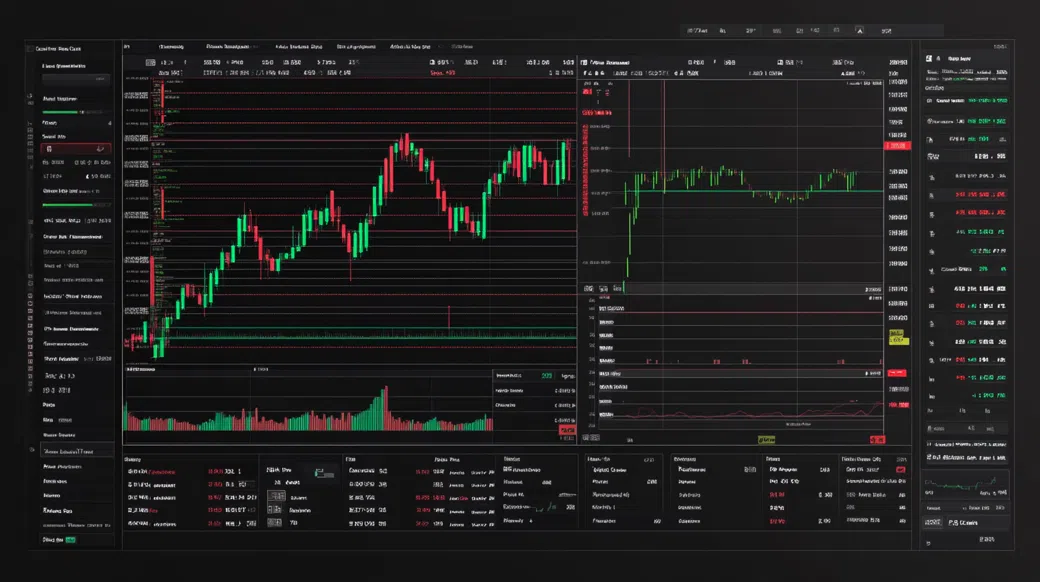
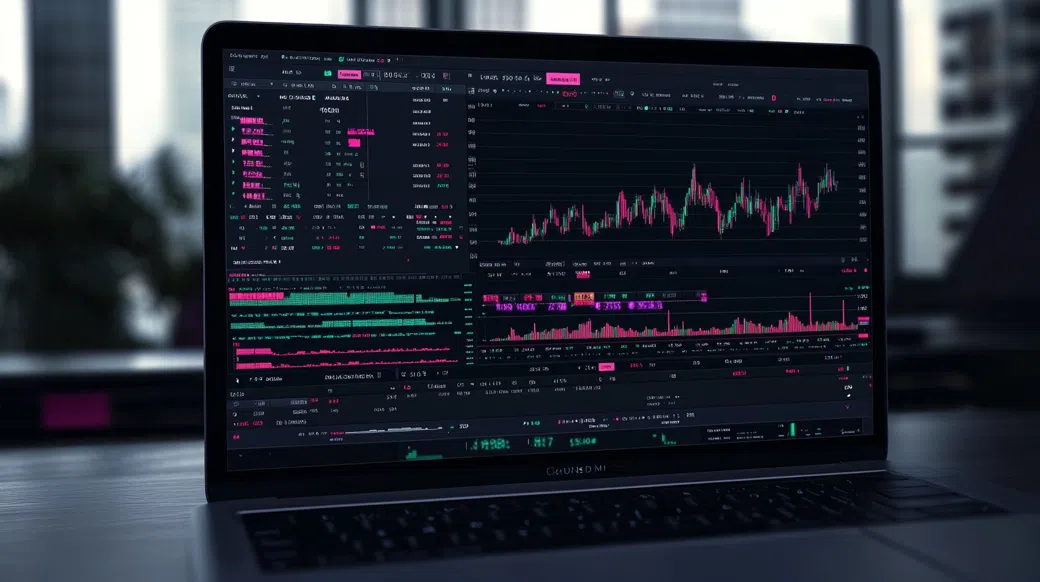
Most platforms like Snap +Opt Eprex lean on a WebTrader that’s “good enough” for discretionary CFD trading: multi-timeframe charts, a set of technical indicators, and drawing tools for quick levels. Expect standard order tickets (market, limit, stop) and an account dashboard for margin, open P&L, and funding actions. Mobile parity tends to be solid for monitoring and basic execution, while advanced workflow—multi-chart layouts, complex alerts, strategy testing, and detailed execution analytics—often feels thinner than what MT5 or cTrader users take for granted. Execution impressions can be acceptable in calm markets, but without transparent reporting you’ll want to watch fill quality closely during news.
Trading Fees, Spreads, and Account Types at Snap +Opt Eprex
Cost structures in this segment are usually spread-led. A typical EUR/USD spread is often presented around 2.0 pips on a standard-style account, with higher tiers sometimes hinting at tighter pricing. If a raw/ECN-style tier exists, it’s commonly framed as near-zero spreads (roughly 0.0–0.4 pips) plus a commission in the neighborhood of $6–$8 round-turn. Swap/overnight financing is part of the CFD package and can be meaningful for holds beyond a day or two; that’s where many traders underestimate the drag. Minimum deposits are frequently around $250, and maximum leverage can run up to 1:500—a number that looks generous until a margin call arrives on a routine intraday swing.
When Do Traders Start Looking for Snap +Opt Eprex Alternatives?
The moment risk stops feeling “priced,” people start shopping. For many, the trigger isn’t a single bad trade; it’s a pattern—wider spreads during volatility, unclear execution language, or support that becomes slow right when withdrawals or disputes need speed. In the US/EU context, the hunt for Snap +Opt Eprex alternatives often starts when traders realize their strategy requires either a stronger regulatory umbrella or a more complete platform stack (MT4/MT5/cTrader, richer reporting, or broader market access than CFDs alone).
- You want investor-protection mechanics (segregated client funds, formal complaints process, compensation schemes like FSCS/ICF) rather than offshore-style assurances.
- Your approach relies on MT4/MT5 or cTrader (EAs, custom indicators, advanced order handling) and the proprietary WebTrader feels restrictive.
- Spreads around ~2.0 pips on EUR/USD begin to dominate your P&L when you scale trade frequency or size.
- You need real shares/ETFs or listed options/futures, not only CFDs with synthetic exposure and financing costs.
How to Choose a Reliable Alternative to the Snap +Opt Eprex Trading Platform
I treat broker selection like building a bridge in winter: you assume stress arrives at the worst time. Regulated options vs Snap +Opt Eprex are best compared by matching your strategy to three things—legal protections, execution design, and total cost under realistic volume. Write down what you trade, how often, and what a bad week looks like. Then choose a broker whose rules keep you solvent when spreads widen and liquidity thins.
Regulation, Safety, and Investor Protection
Start with the regulator’s public register—FCA (UK), ASIC (Australia), CySEC (Cyprus), or NFA/CFTC (US). Those frameworks typically require clearer disclosures, handling of complaints, and operational standards like segregated client funds. In the UK, the FSCS can cover eligible clients up to £85,000; in Cyprus, the ICF can cover up to €20,000 under eligibility rules. That safety net doesn’t make trading “safe,” but it changes your worst-case scenario compared with an offshore venue.
Available Markets and Instruments
Ask a blunt question: do you need ownership or exposure? Brokers similar to Snap +Opt Eprex often emphasize FX and CFDs—fine for tactical macro views, less ideal if you want long-term equity positions, dividends, or proxy voting. Multi-asset regulated brokers can add cash equities, ETFs, listed options, futures, and even bonds. If your plan includes portfolio construction (not just trading), instrument breadth becomes a risk tool, not a luxury.
Trading Costs: Spreads, Commissions, and Other Fees
Serious comparison means “round-turn” cost: spread + commissions + any ticket fees, then add swaps for positions held overnight. A 0.2 pip spread with commission can beat a 1.2 pip spread with no commission, depending on trade size and frequency. Also watch non-trading costs—withdrawal charges, inactivity fees, and conversion fees if your base currency differs. If your current setup is Snap +Opt Eprex, model your last 30 days of trading under two alternative fee schedules; the math is usually sobering.
Platforms, Tools, and Execution Quality
Platform choice is not aesthetics; it’s workflow. MT4/MT5 and cTrader ecosystems support automation, custom indicators, and deeper order functionality than many proprietary WebTraders. Then there’s execution model: market maker, STP, ECN, DMA—labels matter less than the disclosure of how orders are routed and how slippage is handled. If you trade around data releases, latency and partial fills can matter more than a headline “from 0.0” spread.
Support, Education, and Overall User Experience
In Europe, multilingual support and clear documentation are underrated edges—especially when KYC, AML checks, and funding paths get complicated. Look for published service hours, realistic response expectations, and education that goes beyond “what is a pip.” Mobile apps should mirror core risk controls (margin, stops, order edits), not just provide a price feed. Good UX is calm under pressure; bad UX is a margin call you didn’t see coming.
Snap +Opt Eprex and Different Asset Classes: When Alternatives May Be Better
Snap +Opt Eprex Forex and CFD Trading
The core proposition is straightforward: FX pairs (often ~30–50), indices (roughly 8–15), a short list of commodities (about 5–10), and leverage that can reach 1:500. That’s plenty for directional trading, but the real question is the execution experience when spreads and liquidity change quickly. If EUR/USD is typically around 2.0 pips on a standard-style setup, frequent traders can end up paying more than they think—especially if stop-loss orders slip in fast markets. For tighter pricing and platform choice, Pepperstone and OANDA are often compelling regulated substitutes for Snap +Opt Eprex: both offer established regulatory coverage and support MT4/MT5 (and cTrader in Pepperstone’s case) or strong proprietary tooling (OANDA). The more mature brokers also publish execution policies that make it easier to audit what happened on a bad fill.
Snap +Opt Eprex Stock and ETF Trading
Here’s where many offshore CFD-first venues show their limits. Stock and ETF exposure is frequently offered, if at all, as CFDs—meaning no shareholder rights, no direct participation in corporate actions beyond the broker’s adjustments, and ongoing financing costs if you hold positions. Traders looking for real ownership and proper reporting for tax season usually prefer multi-asset brokers with exchange access. Interactive Brokers (IBKR) is the cleanest “toolbox” for US/EU investors who want listed stocks, ETFs, options, futures, and even bonds in one account, with robust statements. Saxo Bank is a strong European-style alternative with a polished platform suite and broad market access. If your goal is to mix tactical FX with long-term equity exposure, these are top substitutes for Snap +Opt Eprex in practice.
Snap +Opt Eprex Crypto Trading
Crypto on CFD platforms is typically price exposure, not coin ownership. You don’t withdraw to a wallet; you’re trading a derivative contract with leverage, spreads, and overnight fees baked in. That can be suitable for short-term hedging or momentum trades, but it’s a different animal than holding spot crypto. If you want regulated, risk-labeled access to crypto price moves via CFDs, brokers such as IG (where available) are widely used in the UK/EU for CFD exposure with clearer disclosures and controls like negative balance protection in relevant jurisdictions. If your intent is portfolio-style allocation rather than trading, a multi-asset broker may still be preferable for everything else (stocks/ETFs/bonds), with crypto handled separately. The key is aligning product form with intention—CFDs for trading, ownership for holding.
Best Snap +Opt Eprex Alternatives for 2026: Comparison of Top Trading Platforms
Saxo Bank: Key Facts and How It Compares to Snap +Opt Eprex
Regulation: FCA, MAS, DFSA (jurisdiction depends on your account entity)
Markets: Stocks, ETFs, bonds, FX, CFDs, options, futures
Fees: FX spreads typically range from ~0.6–1.2+ pips depending on tier; commissions apply on exchange-traded products
Platform: SaxoTraderGO, SaxoTraderPRO
Best For: Cross-asset portfolio traders who still want active FX tools
Interactive Brokers (IBKR): Key Facts and How It Compares to Snap +Opt Eprex
Regulation: SEC/FINRA, FCA, IIROC
Markets: Stocks, ETFs, options, futures, FX, bonds
Fees: FX pricing can be very tight with commission-based schedules; exchange-traded commissions vary by market and routing
Platform: Trader Workstation (TWS), IBKR Desktop, Client Portal, API
Best For: Professional-grade execution and global market access
Pepperstone: Key Facts and How It Compares to Snap +Opt Eprex
Regulation: FCA, ASIC, CySEC, DFSA
Markets: FX, CFDs (indices, commodities, some shares depending on entity)
Fees: Raw/Razor-style accounts often show EUR/USD spreads around ~0.1–0.4 pips plus commission; standard pricing typically higher (often ~0.8–1.3+ pips)
Platform: MT4, MT5, cTrader
Best For: Algo and scalping setups needing MT4/MT5/cTrader
OANDA: Key Facts and How It Compares to Snap +Opt Eprex
Regulation: CFTC/NFA, FCA, ASIC, IIROC
Markets: FX, CFDs (availability varies by region)
Fees: Typically spread-based pricing; EUR/USD commonly around ~0.6–1.4+ pips depending on market conditions and account type
Platform: OANDA Trade (proprietary), MT4
Best For: US-eligible FX traders prioritizing strong oversight
IG: Key Facts and How It Compares to Snap +Opt Eprex
Regulation: FCA, ASIC, MAS
Markets: CFDs (FX, indices, commodities, shares), spread betting (UK/IE), crypto CFDs (where available)
Fees: Spreads vary by instrument; major FX pairs are often competitive (commonly ~0.6–1.2+ pips), with financing costs for overnight CFD holds
Platform: IG Web Platform, mobile app (MT4 available in many regions)
Best For: Macro CFD traders who value broad market coverage
Trading 212: Key Facts and How It Compares to Snap +Opt Eprex
Regulation: FCA, CySEC, FSC Bulgaria
Markets: Stocks, ETFs; CFDs (region-dependent)
Fees: Investing accounts are often commission-free on stocks/ETFs (other costs like FX conversion can apply); CFD pricing is spread-based and varies by instrument
Platform: Trading 212 web and mobile apps
Best For: Beginners building stock/ETF positions alongside light trading
Comparison Summary
| Platform | Regulation | Main Markets | Typical Costs | Best For |
|---|---|---|---|---|
| Saxo Bank | FCA / MAS / DFSA | Stocks, ETFs, bonds, FX, CFDs, options, futures | FX ~0.6–1.2+ pips by tier; commissions on exchanges | Cross-asset portfolio traders who still want active FX tools |
| Interactive Brokers (IBKR) | SEC/FINRA / FCA / IIROC | Stocks, ETFs, options, futures, FX, bonds | Commission-based; very tight FX possible; exchange fees vary | Professional-grade execution and global market access |
| Pepperstone | FCA / ASIC / CySEC / DFSA | FX and CFDs | Raw ~0.1–0.4 pips + commission; Standard ~0.8–1.3+ pips | Algo and scalping setups needing MT4/MT5/cTrader |
| OANDA | CFTC/NFA / FCA / ASIC / IIROC | FX (plus CFDs where permitted) | Spread-based; EUR/USD often ~0.6–1.4+ pips | US-eligible FX traders prioritizing strong oversight |
| IG | FCA / ASIC / MAS | CFDs across FX/indices/commodities/shares; spread betting (UK) | Major FX often ~0.6–1.2+ pips; overnight financing on CFDs | Macro CFD traders who value broad market coverage |
| Trading 212 | FCA / CySEC / FSC Bulgaria | Stocks, ETFs; CFDs (region-dependent) | Investing often commission-free; FX conversion may apply; CFDs spread-based | Beginners building stock/ETF positions alongside light trading |
How to Safely Move from Snap +Opt Eprex to Another Broker
Migration is easiest when you treat it like a bond switch: settle the old exposure cleanly, document everything, then redeploy with intention. The goal isn’t speed; it’s avoiding operational loss—misrouted withdrawals, broken hedges, or missing statements when tax season arrives. If you’re comparing competitors to Snap +Opt Eprex, build a short checklist and execute it stepwise while keeping position risk deliberately small.
- Verify the new broker’s license on the regulator’s own register (FCA Register, ASIC Connect, CySEC list, or NFA BASIC) and screenshot the entry for your records.
- Open the new account and complete KYC/AML checks first—ID plus proof of address—so you’re not stuck mid-withdrawal with an unverified destination.
- Flatten your exposure on Snap +Opt Eprex before moving cash; position transfers between retail CFD brokers are rarely straightforward, and gaps can hurt if markets move while funds are in transit.
- Withdraw using the same funding rail you used to deposit whenever possible; many brokers enforce this due to AML controls and card-network rules.
- Download statements, trade history, and funding receipts before you close anything; you’ll want clean records for disputes, reconciliation, and taxes.
Ready to Explore Snap +Opt Eprex?
If you’re still evaluating the current offering, review eligibility for your country, read the product disclosure for CFD costs (including swaps), and compare platform tools against your actual strategy. The fastest way to reduce surprises is to test with small size and measure spreads and slippage yourself.
Visit Snap +Opt EprexFAQ: Snap +Opt Eprex Alternatives and Trading Platforms
What is the best alternative to Snap +Opt Eprex in 2026?
The best choice depends on whether you need multi-asset ownership or mainly FX/CFDs. For broad, exchange-traded access, Interactive Brokers (IBKR) and Saxo Bank are strong picks; for FX execution with MT4/MT5/cTrader, Pepperstone is a frequent shortlist candidate. If your focus is US-eligible spot FX under strict oversight, OANDA is often the practical route. In that sense, the best Snap +Opt Eprex alternatives 2026 split into “portfolio brokers” versus “FX specialists.”
Is Snap +Opt Eprex a safe broker/platform?
Snap +Opt Eprex is commonly presented in a way that aligns with offshore-style oversight (often associated with the Seychelles FSA) rather than top-tier regulators like the FCA, ASIC, CySEC, or the NFA/CFTC. That doesn’t automatically mean misconduct, but it typically means fewer investor-protection mechanisms and a weaker dispute framework than regulated EU/US venues. If safety is your priority, regulated options vs Snap +Opt Eprex usually provide clearer rules on segregated funds, negative balance protection (where applicable), and formal complaint channels.
Can I trade stocks, futures, or crypto with Snap +Opt Eprex?
With platforms like Snap +Opt Eprex, forex and CFDs are typically the center of gravity, and “stocks” are often offered as stock CFDs rather than real share ownership. Futures access is usually limited or structured as CFDs on futures-linked prices rather than direct exchange-traded contracts. Crypto exposure, when available, is commonly via crypto CFDs—price speculation with leverage and financing—rather than on-chain coins you can withdraw to a wallet.
What should I check before switching from Snap +Opt Eprex to another platform?
Before switching, confirm the new broker’s regulation on the official register, then read the execution policy and fee schedule with your strategy in mind (spreads, commissions, swaps, and withdrawal rules). Next, complete KYC at the new broker first and only then unwind positions and withdraw funds from the old account. Finally, test execution with small size—slippage and margin behavior are where “good on paper” becomes “bad in practice.”
About the Author: Erik Lindström is a Stockholm-based former fixed-income analyst who now covers European brokerage ecosystems and Nordic fintech innovation. He approaches trading like risk work, not entertainment: structures first, stories second, and always with an eye on what breaks when volatility returns.