Soleil Capitange Trading Platform Alternatives 2026
Compare Soleil Capitange alternatives for 2026 across regulation, costs, platforms, and markets. Practical safety checks and migration steps for US/EU traders.
Soleil Capitange Trading Platform Alternatives 2026: Reliable Options for Online Traders
Leverage has a way of flattering the ego and punishing the balance sheet. That’s why I approach any offshore-style CFD venue with the same mindset I learned in Nordic fixed income: focus less on the story and more on the plumbing—custody, execution, and what happens when you want your money back. Soleil Capitange sits in a familiar corner of the industry: a forex-and-CFD-first offering, typically paired with a proprietary WebTrader and mobile app, and commercial terms that often include high headline leverage (commonly around 1:500) and a low barrier to entry (often around a $250 minimum deposit). The product mix usually leans on major/minor FX pairs, index CFDs, a handful of commodities, and crypto CFDs.
For many traders, that’s “good enough” until real-life frictions appear—slippage during fast markets, unclear execution model, limited order types, or customer support that feels distant once you need something resolved quickly. The other driver is structural: offshore supervision (often under frameworks such as the Mauritius FSC) doesn’t typically match the investor-protection toolkit EU/UK traders associate with FCA or CySEC regimes. This guide to Soleil Capitange alternatives is written for a global audience with a US/EU focus, prioritizing regulated venues, transparent costs, and platform stacks that actually support your strategy rather than just your first deposit.
Disclaimer: This article is for informational purposes only and does not constitute investment advice. CFDs and other leveraged products can move against you quickly and may result in losses exceeding expectations.
Key Takeaways (TL;DR)
- If you need real stocks/ETFs (not equity CFDs), prioritize multi-asset brokers like Interactive Brokers or Saxo Bank.
- For FX trading where costs matter, compare all-in “round-turn” cost (spread + commission) rather than leverage headlines.
- Expect a full KYC/AML loop at the new broker before moving serious capital; complete verification before initiating withdrawals.
- Execution model and protections (segregated client funds, negative balance protection, compensation schemes like FSCS/ICF) are often the real differentiators versus offshore-style platforms.
What Is Soleil Capitange and How Does Its Trading Platform Work?
From what’s typically observable in this broker category, Soleil Capitange presents itself as an online CFD venue oriented around leveraged trading in forex and major CFD benchmarks. The operating feel is closer to a retail CFD broker than a true multi-asset custody platform: you’re generally trading contracts referencing an underlying market rather than taking ownership of securities. Access is commonly restricted for the US, and other sanctioned or high-risk jurisdictions are frequently excluded as part of compliance screening. In practice, this profile resembles many brokers similar to Soleil Capitange: a streamlined onboarding funnel, a broad but not deep instrument list, and a strong emphasis on margin trading.
Soleil Capitange Web Trading Platform: Core Features and Tools
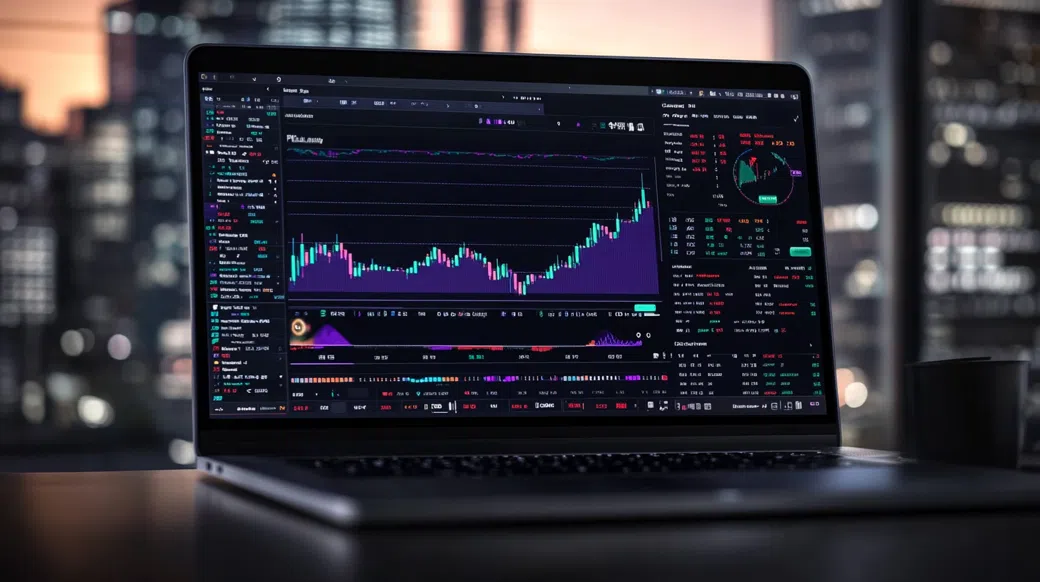
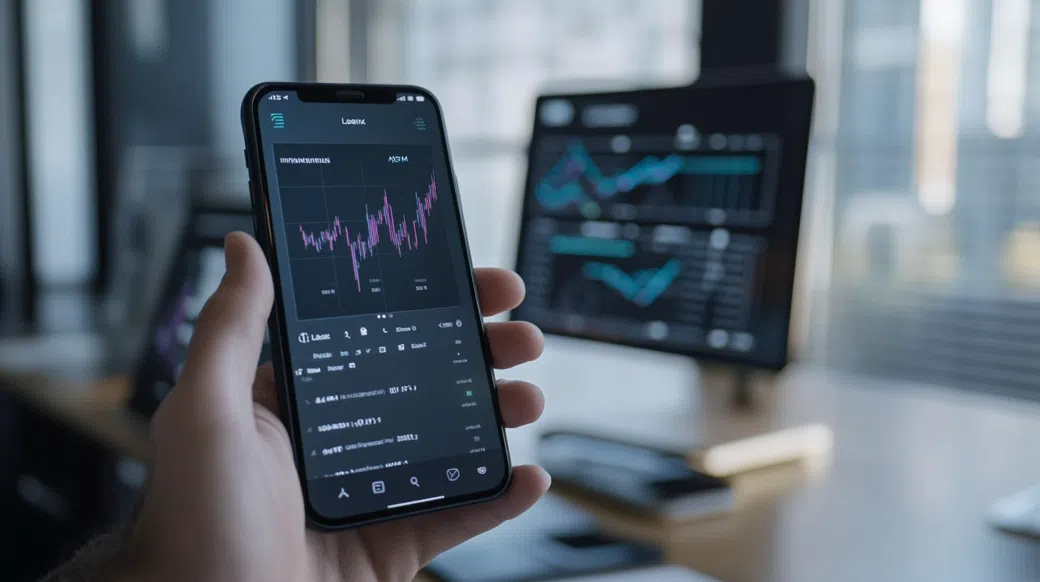
The platform stack is usually a proprietary WebTrader with basic-to-mid charting, plus iOS/Android apps for monitoring positions on the move. Expect the essentials—market/limit orders, stop-loss and take-profit controls, watchlists, and a compact account dashboard showing margin level and open P&L. Charting is often serviceable for discretionary trading (common indicators and drawing tools) but less friendly for systematic workflows that rely on advanced order logic, robust backtesting, or third-party integrations like MT4/MT5 or cTrader. Execution can feel fine in calm conditions, yet fast markets are where slippage and requotes (if applicable) become the real test.
Trading Fees, Spreads, and Account Types at Soleil Capitange
Cost-wise, a typical Standard-style setup in this segment prices EUR/USD around 2.0 pips under normal liquidity, with the bill largely embedded in the spread rather than explicit commission. Some brokers in this lane also advertise “raw” tiers where spreads can compress (often 0.0–0.4 pips) but add a commission (commonly $5–$8 round-turn), so the honest comparison is the all-in trading cost per round trip. Swap/overnight financing is a recurring factor for positions held beyond the session close, and it’s where many traders discover the difference between a short-term plan and a week-long reality. Fees like withdrawals or inactivity can exist in these models, so read the schedule line by line before funding.
When Do Traders Start Looking for Soleil Capitange Alternatives?
The moment your strategy graduates from “trying” to “repeating,” the platform’s weak points stop being theoretical. That’s when Soleil Capitange alternatives enter the conversation—less as a brand comparison and more as a decision about risk controls, execution quality, and the credibility of oversight. Offshore-style terms can look attractive on day one, yet the real costs show up later: wider spreads during news, uncertain fill logic, and operational friction around withdrawals or documentation. And if you’re trading leveraged CFDs, the broker’s rules—margin calls, liquidation logic, negative balance protection—matter as much as your chart.
- You want MT4/MT5 or cTrader for automation, advanced order handling, or a workflow built around EAs and custom indicators.
- You’re tired of paying the “quiet tax” of a ~2.0 pip EUR/USD spread when your strategy depends on frequent entries.
- You need stronger investor safeguards (segregated client funds, clearer complaint channels, and compensation-scheme coverage in certain jurisdictions).
- Your trading has expanded beyond FX/indices and you want real stocks/ETFs with proper custody rather than stock CFDs.
How to Choose a Reliable Alternative to the Soleil Capitange Trading Platform
I treat broker selection like building a portfolio: define what can break, then pay for robustness where it matters. For alternatives to the Soleil Capitange trading platform, start with the non-negotiables—regulatory perimeter, segregation of client funds, and platform fit—before you even glance at spreads. After that, map costs to your actual behavior: holding time, monthly volume, and how often you trade during high-volatility windows.
Regulation, Safety, and Investor Protection
Regulation isn’t a badge; it’s a toolbox. FCA and CySEC regimes, for example, tie into established frameworks around client-money segregation and conduct expectations, while the UK’s FSCS can cover eligible claims up to £85,000 in specific cases and Cyprus’ ICF can cover up to €20,000 under its rules. In contrast, many offshore setups (often under Mauritius FSC-style supervision) may not offer the same recourse pathways. Verify the broker on the regulator’s public register, not on a homepage footer.
Available Markets and Instruments
Ask a blunt question: do you need access or do you need ownership? FX and index CFDs cover many short-horizon strategies, but long-term investors often want real stocks and ETFs (with shareholder rights and transparent corporate actions) rather than equity CFDs. If you trade rates or macro themes, access to futures, options, or even bonds can be the difference between a hedge and a hope. Many competitors to Soleil Capitange are still CFD-centric—so check the instrument type, not just the ticker list.
Trading Costs: Spreads, Commissions, and Other Fees
Spreads are only the first line item. Commission, swap/overnight financing, currency conversion, and inactivity fees can dominate depending on how you trade. A clean comparison uses an all-in round-turn figure: spread (in pips) converted to cash cost, plus commission, for your typical position size. If you’re a frequent trader, a 0.8–1.2 pip difference on EUR/USD can matter more than any leverage headline. For longer holds, swap can quietly become the main event.
Platforms, Tools, and Execution Quality
Proprietary WebTrader platforms can be perfectly fine for discretionary trading, but MT4/MT5 and cTrader ecosystems win when you need repeatability—templates, automation, third-party analytics, and stable order management. Execution model matters too: market maker setups can be efficient for small tickets, while STP/ECN/DMA-style routing is often preferred by traders sensitive to slippage and latency. I also look for clear disclosures on margin-call policy and whether negative balance protection applies in your region—details that decide outcomes when volatility spikes.
Support, Education, and Overall User Experience
When something breaks, you learn what you bought. Good brokers publish support hours, offer multiple channels, and can answer operational questions (withdrawals, KYC status, corporate actions) without scripts. Education is a bonus, but not a substitute for transparency: product disclosures, fee schedules, and platform documentation should be easy to find and consistent. Mobile parity matters more than people admit—many risk events happen away from your desk, and the app needs to manage margin, stops, and deposits without friction.
Soleil Capitange and Different Asset Classes: When Alternatives May Be Better
Soleil Capitange Forex and CFD Trading
FX and CFDs are the natural habitat here: think roughly 30–50 FX pairs, 8–15 index CFDs, and a short list of commodities. The attraction is usually simple access plus high leverage (often around 1:500), but that’s also the trap—leverage magnifies execution flaws. With a typical EUR/USD spread around 2.0 pips in this segment, frequent traders can feel the drag quickly. Regulated FX specialists such as Pepperstone and IC Markets tend to offer tighter pricing via commission-based accounts, and they bring mature platform choices (MT4/MT5/cTrader) that support systematic risk controls. In other words, the “edge” often comes from lower friction and more predictable fills, not from pushing margin harder.
Soleil Capitange Stock and ETF Trading
Equities are where the difference between a CFD venue and a multi-asset broker becomes visible. In Soleil Capitange’s typical setup, stocks and ETFs—if listed at all—are often offered as CFDs, meaning you don’t own the shares, you don’t get shareholder rights, and corporate actions are handled contractually. Traders who want true portfolio-building generally prefer regulated brokers with direct access and custody. Interactive Brokers is the obvious heavyweight for US/EU clients needing broad global markets, and Saxo Bank is a strong European alternative for multi-asset workflows with a polished platform stack. For anyone mixing trading and investing, this is the asset class where “platforms like Soleil Capitange” often feel too thin.
Soleil Capitange Crypto Trading
Crypto exposure on many CFD-first platforms is usually delivered through crypto CFDs—price exposure without on-chain ownership, no wallet withdrawal, and fees expressed through spread plus overnight financing. That can be acceptable for short tactical trades, yet it’s a different product from holding spot crypto. If you want regulated crypto CFDs (where permitted) alongside FX and indices, brokers like IG and Plus500 are common reference points in the FCA/CySEC/ASIC-regulated universe, with clearer product disclosure and client-money rules. For traders evaluating Soleil Capitange alternatives, the practical question is whether you need a crypto trading instrument or an investment custody solution—the answer changes the shortlist immediately.
Best Soleil Capitange Alternatives for 2026: Comparison of Top Trading Platforms
Saxo Bank: Key Facts and How It Compares to Soleil Capitange
Regulation: FCA, MAS, DFSA (jurisdiction-dependent)
Markets: Stocks, ETFs, bonds, options, futures, FX, CFDs
Fees: FX spreads commonly from ~0.8–1.2 pips (account and region dependent); investing fees vary by market
Platform: SaxoTraderGO, SaxoTraderPRO
Best For: Multi-asset traders who want a “portfolio + trading” cockpit
Interactive Brokers (IBKR): Key Facts and How It Compares to Soleil Capitange
Regulation: SEC/FINRA, FCA, IIROC (entity-dependent)
Markets: Stocks, ETFs, options, futures, FX, bonds
Fees: Highly product-specific; FX pricing often reflects tight spreads plus commissions (varies by tier and venue)
Platform: Trader Workstation (TWS), IBKR mobile/web
Best For: Advanced investors needing global market access and depth
Pepperstone: Key Facts and How It Compares to Soleil Capitange
Regulation: FCA, ASIC, CySEC, DFSA
Markets: FX, CFDs (indices, commodities; crypto CFDs where permitted)
Fees: Standard spreads often around ~1.0–1.2 pips on EUR/USD; Razor/Raw-style pricing can be ~0.0–0.3 pips + commission (varies by platform/account)
Platform: MT4, MT5, cTrader
Best For: Systematic FX traders focused on execution and tooling
IC Markets: Key Facts and How It Compares to Soleil Capitange
Regulation: ASIC, CySEC, FSA Seychelles (group-level, entity-dependent)
Markets: FX, CFDs (indices, commodities; crypto CFDs where permitted)
Fees: Raw accounts often target ~0.0–0.2 pips on EUR/USD + commission; Standard accounts typically higher spreads
Platform: MT4, MT5, cTrader
Best For: High-frequency and scalpers who measure costs in fractions
IG: Key Facts and How It Compares to Soleil Capitange
Regulation: FCA, ASIC, MAS
Markets: CFDs (FX, indices, commodities, shares), spread betting (UK), limited crypto CFDs where permitted
Fees: CFD spreads vary by asset; FX spreads can be competitive on majors, typically tighter than offshore-style 2.0-pip pricing in calm markets
Platform: IG Web Platform, mobile apps (MT4 available in some regions)
Best For: Macro-driven CFD traders who want a long-established venue
Plus500: Key Facts and How It Compares to Soleil Capitange
Regulation: FCA, CySEC, ASIC, MAS
Markets: CFDs (FX, indices, commodities, shares; crypto CFDs where permitted)
Fees: Spread-only model; costs vary by instrument and volatility, designed for simplicity over customization
Platform: Plus500 proprietary platform (web/mobile)
Best For: Beginners who want a clean, no-install CFD interface
Comparison Summary
| Platform | Regulation | Main Markets | Typical Costs | Best For |
|---|---|---|---|---|
| Saxo Bank | FCA, MAS, DFSA | Stocks/ETFs, bonds, options, futures, FX, CFDs | FX ~0.8–1.2 pips (typical); investing fees vary by venue | Multi-asset traders who want a “portfolio + trading” cockpit |
| Interactive Brokers (IBKR) | SEC/FINRA, FCA, IIROC | Stocks/ETFs, options, futures, FX, bonds | Product-based; FX often tight spreads + commission (tier dependent) | Advanced investors needing global market access and depth |
| Pepperstone | FCA, ASIC, CySEC, DFSA | FX, CFDs | Std ~1.0–1.2 pips; Raw ~0.0–0.3 + commission | Systematic FX traders focused on execution and tooling |
| IC Markets | ASIC, CySEC, FSA Seychelles | FX, CFDs | Raw ~0.0–0.2 + commission; Standard higher spreads | High-frequency and scalpers who measure costs in fractions |
| IG | FCA, ASIC, MAS | CFDs; spread betting (UK) | Variable spreads by asset; majors often competitive vs ~2.0 pips offshore-style | Macro-driven CFD traders who want a long-established venue |
| Plus500 | FCA, CySEC, ASIC, MAS | CFDs | Spread-only; instrument-dependent | Beginners who want a clean, no-install CFD interface |
How to Safely Move from Soleil Capitange to Another Broker
Switching brokers is less like changing apps and more like moving your risk engine to a new chassis. Treat the sequence as operational risk management: verify oversight first, then test execution, then scale. If you’re stepping away from Soleil Capitange because leverage tempted you into oversized positions, tighten the process—rushed migrations and rushed trading share the same outcome.
- Confirm the new broker’s entity and license on the official register (FCA Register, ASIC Connect, CySEC listings, or NFA BASIC) and save a screenshot for your records.
- Open the new account and complete KYC/AML early (ID plus proof of address), so you’re not stuck mid-withdrawal waiting for approvals.
- Flatten open exposure before moving—positions usually don’t transfer between brokers, so you’ll need to re-enter trades on the new platform if you still want them.
- Withdraw using the same funding rail you deposited with when possible; many payment processors enforce this for anti-money-laundering reasons.
- Export statements, trade history, and funding logs for tax and audit trails before you close access to the old dashboard.
Ready to Explore Soleil Capitange?
If you’re still evaluating where Soleil Capitange fits in your setup, compare its trading conditions against the regulated options above and check regional eligibility before committing funds. Review margin rules, withdrawal methods, and platform tools with the same seriousness you’d apply to a new bank account.
Visit Soleil CapitangeFAQ: Soleil Capitange Alternatives and Trading Platforms
What is the best alternative to Soleil Capitange in 2026?
The best choice depends on whether you need multi-asset ownership or primarily FX/CFDs. For real global stocks/ETFs and deep market access, Interactive Brokers and Saxo Bank are strong benchmarks; for FX trading with MT4/MT5/cTrader and sharp all-in pricing, Pepperstone and IC Markets are common picks. In other words, “best” is usually a match between your instrument needs, platform stack, and the regulatory perimeter you’re comfortable with.
Is Soleil Capitange a safe broker/platform?
Soleil Capitange appears to sit in an offshore/unregulated-style framework (often associated with jurisdictions such as Mauritius FSC), which generally offers fewer investor-protection mechanisms than FCA, ASIC, CySEC, or NFA-regulated firms. Safety is not only about cybersecurity; it’s also about client-money rules, dispute resolution, and what happens if the firm fails. If safety is your priority, compare regulated venues with clear segregation policies and, where applicable, compensation-scheme coverage.
Can I trade stocks, futures, or crypto with Soleil Capitange?
Most platforms in this segment focus on forex and CFDs; stocks and ETFs are often offered as CFDs rather than real share ownership, and futures access is frequently limited or not offered. Crypto exposure, when present, is typically via crypto CFDs rather than on-chain ownership. If you need real stocks/ETFs or listed futures, brokers like Interactive Brokers or Saxo Bank are more aligned with that requirement than many Soleil Capitange-style setups.
What should I check before switching from Soleil Capitange to another platform?
Before switching, verify the new broker’s exact legal entity on the regulator’s public register and confirm which protections apply in your jurisdiction (segregated client funds, negative balance protection, compensation schemes). Next, compare the all-in round-turn cost for your typical trade size and holding time, including swap/overnight fees. Finally, test execution and withdrawals with a small amount before you scale—slippage and operational delays tend to show up when markets get fast.
About the Author: Erik Lindström is a former fixed-income analyst from Stockholm who covers European brokerage ecosystems and Nordic fintech innovation. He approaches retail trading platforms the way he once approached bond market structure: by stress-testing the rules, incentives, and failure modes—not just the headline pricing.