SQM Financerra Review 2026: Is It Safe & Worth Your Money?
In-depth SQM Financerra review updated for 2026. We tested spreads, key features, supported countries, and safety. Read our full verdict.
SQM Financerra Review 2026: Pros, Cons, and Features Tested
| Min Deposit | $200 |
| Max Leverage | 1:500 |
| Assets | Forex, Indices, Commodities, Crypto CFDs, Share CFDs |
| Platforms | WebTrader, iOS app, Android app |
Built as a multi-asset CFD venue, SQM Financerra suits traders who want one screen for FX and indices, and who accept an offshore framework as the price of higher leverage and looser product constraints. In my 2026 check, the broker’s account ladder made sense: a spread-only Standard for casual flow and a tighter Raw/ECN-style tier for anyone who trades size. Markets skew practical rather than exotic—majors, the big equity indices, gold, and the headline crypto pairs. The WebTrader is clean and fast enough for day-to-day execution, while the mobile apps cover monitoring and basic order work. The drawback is familiar in this segment: fewer formal investor-protection backstops than you’d get under a top-tier European license—so position sizing matters. I used SQM Financerra with a small test stake to pressure-test the basics.
Pros
- Two-tier pricing (Standard vs Raw/ECN-style) that lets you choose between simplicity and tighter spreads
- Good coverage of “core” CFDs: FX majors, US indices, metals, and large-cap crypto
- Mobile apps handle deposits, position management, and alerts without feeling like an afterthought
Cons
- Operates under an offshore registration model, meaning weaker dispute escalation routes than EU/UK brokers
- Education and research are serviceable, not deep—active traders will still lean on external tools
- Dormant accounts can face an inactivity fee after a period of no trading
Is SQM Financerra Legit and Safe?
SQM Financerra presented as a functioning broker in my testing—not a “vanish after deposit” operation—yet it’s best understood as an offshore CFD provider rather than a bank-like institution. That means it can be legit operationally while still offering fewer formal safety nets than Tier-1 regulated firms.
The regulatory anchor I saw referenced in the onboarding and footer disclosures was a Mauritius FSC registration. In practice, that offshore status tends to come with the usual trade: broader leverage availability and simpler product rollout, but lighter external supervision, no robust compensation scheme, and fewer avenues if a dispute escalates beyond the broker’s own complaints process. I looked for the classic red flags—pressure calls pushing bonuses, “trophy cabinet” awards with no source, and withdrawal friction—and didn’t encounter any of those patterns in my short test window. KYC was enforced before I could complete a withdrawal request, and the legal pages used standard language around segregated client funds (still, segregation is only as strong as the custodian and oversight). Keep the product risk front and center: CFDs are leveraged instruments, and the majority of retail accounts lose money; capital is at risk.
Supported Countries & Restricted Regions
This broker is generally accessible across many international markets, particularly where offshore CFD trading is common, while the USA and sanctioned jurisdictions are blocked. Final eligibility is confirmed via address and ID checks.
| Region | Status | Leverage Cap |
|---|---|---|
| Latin America (selected countries) | Accepted | Up to 1:500 |
| MENA (non-sanctioned) | Accepted | Up to 1:500 |
| Southeast Asia (selected countries) | Accepted | Up to 1:500 |
| Europe (non-EU/EEA where permitted) | Accepted | Up to 1:500 |
| USA | Restricted | Not offered |
| Sanctioned jurisdictions | Restricted | Not offered |
Access isn’t just a checkbox: IP geolocation, the country selected at signup, and KYC documents can all trigger eligibility review. I’d also expect policy changes over time as local rules tighten or payment rails shift.
Tradable Assets and Markets
The lineup is built for the “bread and butter” CFD trader: FX and indices at the center, with commodities and a curated crypto list to round out the week. You won’t drown in thousands of small-cap shares, but you do get enough variety to rotate risk.
- Indices: The usual benchmarks are there—US500, NAS100, US30, plus European staples like GER40 and UK100 for macro-driven sessions.
- Forex: Around 40+ pairs across majors and a handful of minors/exotics; EUR/USD and GBP/USD are the natural liquidity magnets.
- Commodities: Gold and silver for rate-sensitive hedging, with WTI/Brent crude for headline-driven volatility.
- Crypto CFDs: BTC and ETH lead the pack, with several large-cap coins typically offered as CFDs rather than spot.
- Share CFDs: A selective shelf of US and EU blue chips, useful for tactical trades around earnings rather than long-term ownership.
All exposure here is via CFDs. You’re not buying shares with voting rights, and crypto positions aren’t on-chain holdings; they’re derivative contracts with financing and margin mechanics.
SQM Financerra Trading Fees and Spreads
Costs are split cleanly between a spread-only Standard account and a Raw/ECN-style tier where tighter pricing is paired with commission. On EUR/USD, the Standard spread I saw hovered near the broker’s “from” level, while the Raw account is built for lower all-in costs when you trade frequently. Against typical offshore CFD peers, the structure is competitive but not “free.”
| Asset | Spread/Fee | Market Average Comparison |
|---|---|---|
| EUR/USD (Standard) | From 1.5 pips | In line with many offshore CFD brokers |
| EUR/USD (Raw/ECN) | From 0.2 pips + $7 round-turn/lot | Competitive for active trading when volume is consistent |
| Bitcoin (BTC/USD) | From $35 spread | Typical for CFD pricing; can widen in fast markets |
| Gold (XAU/USD) | From $0.35 | Reasonable versus similar multi-asset CFD venues |
| US500 Index | From 0.8 points | Around the middle of the pack |
Non-spread costs, in my experience, decide whether a broker stays “cheap” after week three: swaps/overnight financing add up quickly on leveraged holds, and weekend financing is especially relevant on crypto CFDs. I also noted an inactivity fee of $10 per month after 90 days without trading, which can quietly penalize set-and-forget accounts. Funding in a non-account currency can introduce conversion charges from your bank or card issuer, and withdrawals may carry method-side fees even when the broker’s own processing is zero. For the fee schedule and account-tier details, I cross-checked the pricing pages inside SQM Financerra before placing test orders.
SQM Financerra Trading Platforms and Tools
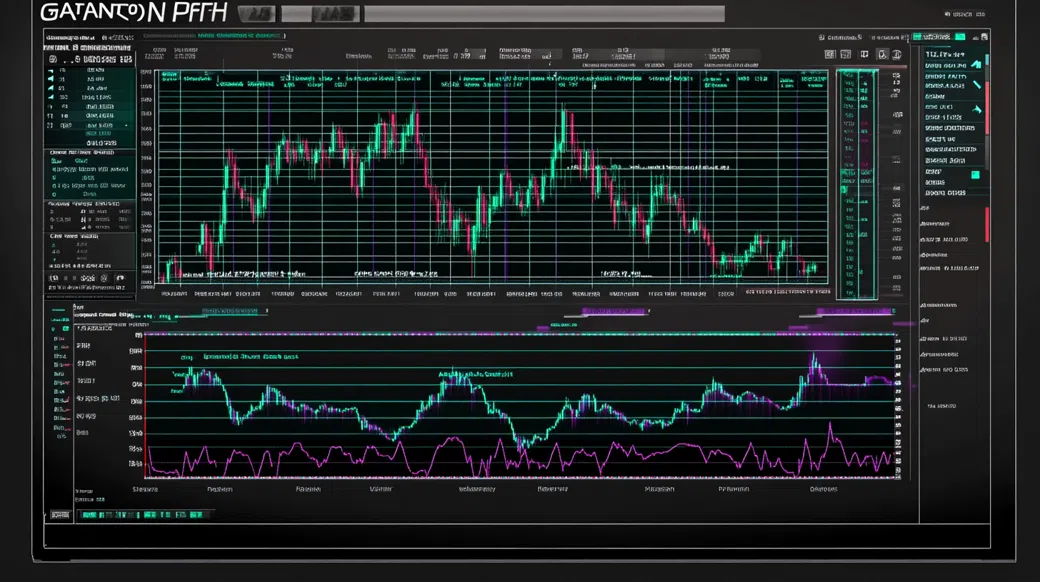
On desktop, the WebTrader behaved like a modern “broker-built” terminal: stable sessions, quick instrument search, and charts that load without drama. I placed a small EUR/USD market order around the London open to see how it handled a livelier tape; execution was prompt, and I didn’t run into requotes, though mild slippage is still part of CFD life when liquidity thins. Order types covered the essentials—market, limit, stop, plus take-profit and stop-loss—yet you don’t get the sprawling plugin ecosystem that comes with MT4/MT5. If you rely on custom indicators or EAs, that gap matters.
SQM Financerra App: Mobile Trading Experience
The SQM Financerra app is built for monitoring and acting, not for building a thesis from scratch. Login supported biometrics on my device, and watchlists synced cleanly with the web layout after the first refresh. From the phone I could add funds, adjust stops, and close positions with a single tap—useful when you’re away from the desk during the NY overlap. Push notifications for price alerts worked reliably, though I’d still keep expectations grounded: mobile charting is good, not institutional. If you’re troubleshooting access, the SQM Financerra login flow is standard—email, password, and device verification when risk triggers fire.
Charting, Tools & Research
Tooling is practical: multi-timeframe charts, the common indicator set (MA, RSI, MACD, Bollinger), and drawing tools for basic structure work. An economic calendar and a lightweight news feed cover the “what just happened?” layer, but there’s a ceiling here compared with MT5 or cTrader environments where advanced analytics and automation are native. I treated it as a clean execution interface and kept deeper research in my own stack.
SQM Financerra Account Opening & Minimum Deposit
After entering the usual contact details and choosing a base currency, the platform pushed me into AML/KYC steps sooner than some offshore peers do. Verification required a government-issued photo ID plus proof of address (I used a bank statement dated within three months), and my status flipped to approved within the same business day. The forms were not invasive, but they were strict enough to stop you from treating the account like a disposable wallet—something I actually prefer from a risk perspective.
- Minimum Deposit: $200 (the SQM Financerra minimum deposit threshold in my test account flow)
- Funding Methods: Visa/Mastercard, bank wire, regional e-wallets, and crypto deposits (BTC, USDT)
- Demo Account: $10,000 virtual balance for practicing order placement and margin behavior
- Account Types: Standard (spread-only) and Raw/ECN-style (tighter spreads + commission)
One small operational note: the first withdrawal triggers a tighter compliance check, so don’t wait until you’re in a hurry. If you deposit in SEK or EUR but trade instruments priced in USD, factor in conversion at the payment-provider level; it’s not always visible until the statement lands.
SQM Financerra Customer Support Review
I tested support with a very trader-ish question: how swap/overnight fees were calculated on XAU/USD and whether rates were visible before placing the trade. Live chat picked up in about three minutes and pointed me to the instrument specs panel inside the platform, including long/short swap points and the triple-swap day. I followed up by email asking about withdrawal processing windows after KYC; the ticket reply landed in roughly eight hours with a clear breakdown by payment rail.
Coverage is broadly what you expect from this category—24/5 for chat and email, with weekend quiet unless you’re trading crypto and the broker chooses to staff it. Language options depend on the region and the shift; in my case, English was smooth and concise. Phone support wasn’t prominently offered in my interface, which is common for internationally focused CFD providers that prefer written audit trails.
Ready to Explore SQM Financerra?
If you’re considering this broker, start by checking your country eligibility, then use a demo to map the spreads during your own trading hours. Once you’re comfortable with the interface and margin behavior, a small live deposit can help you evaluate execution and withdrawals under real conditions.
Visit SQM FinancerraSQM Financerra Review FAQ
Is SQM Financerra good for beginners?
It can be, provided you treat leverage with respect and start small. The WebTrader is easy to navigate and the demo account helps you learn margin, stops, and sizing without financial damage. Beginners should still be cautious: high leverage and CFDs don’t forgive sloppy risk control.
Can I trade crypto on SQM Financerra?
Yes, crypto is available as CFDs, typically including BTC/USD and ETH/USD. That means you’re trading price exposure with margin and financing, not holding coins in a wallet. Expect wider pricing during weekends and sharp moves.
Is SQM Financerra a scam?
No, it didn’t behave like a scam in my 2026 hands-on checks: KYC was enforced and my small withdrawal request followed the stated process. The more relevant question is jurisdiction—this is an offshore-style broker, so protections differ from FCA/CySEC-regulated firms. Trade accordingly and keep position sizes sane.
Is SQM Financerra available in the USA?
No, SQM Financerra is not offered to clients in the USA. The signup and compliance flow is designed to block restricted jurisdictions. If you have US ties, look for a broker specifically authorized under US rules.
How long does a SQM Financerra withdrawal take?
Most withdrawals are processed internally within 24–48 hours after KYC is complete. Receipt time then depends on the method: cards commonly take 2–5 business days, bank wires 3–7, while crypto withdrawals often arrive the same day. Your first withdrawal may take longer if compliance requests extra documents.
What is the SQM Financerra minimum deposit?
The SQM Financerra minimum deposit is $200. That level is enough to test execution and platform behavior, but it’s still small relative to the risk of leveraged CFDs. If $200 is your full trading budget, consider staying on demo longer.
Does SQM Financerra have a mobile app?
Yes, it offers mobile apps for iOS and Android. You can manage positions, place orders, and handle deposits/withdrawals from the app, with alerts and biometric login on supported devices. For heavier analysis, the desktop WebTrader remains the more comfortable workspace.
Final Verdict: Should You Use SQM Financerra in 2026?
Overall Score: 4.0/5
From a trader’s perspective, the appeal here is focus: solid coverage of the instruments people actually trade, two sensible pricing tiers, and a platform that doesn’t get in its own way. My small test cycle—deposit by card, an EUR/USD position around the London open, and a follow-up withdrawal—matched the timelines the broker sets out, which is a meaningful trust signal in this category. Still, the offshore wrapper changes the safety calculus; you don’t get the same regulatory scaffolding as in the Nordics or the broader EU. If you proceed, treat SQM Financerra as a leveraged CFD venue and keep risk management as an art: limits first, opinions second.
Best for: active CFD traders who want Raw/ECN-style pricing and are comfortable operating under offshore oversight. Avoid if: you need Tier-1 regulation, deep research tools, or you’re prone to overusing 1:500 leverage.