Sévélune Finance Review 2026: Is It Safe & Worth Your Money?
In-depth Sévélune Finance review updated for 2026. We tested spreads, key features, supported countries, and safety. Read our full verdict.
Sévélune Finance Review 2026: Pros, Cons, and Features Tested
| Min Deposit | $200 |
| Max Leverage | 1:500 |
| Assets | Forex, Indices, Commodities, Crypto CFDs, Share CFDs |
| Platforms | WebTrader, iOS app, Android app |
Think of Sévélune Finance as an offshore-style CFD venue built for traders who want broad markets and flexible leverage, and who accept a lighter safety net in return. In my testing, the account ladder is simple—Standard for spread-only pricing and a tighter Raw/ECN-style tier for higher-frequency habits. The product shelf leans multi-asset (FX, indices, metals, crypto CFDs), with execution and charting delivered via a proprietary WebTrader plus mobile. The sharpest edge is the accessibility: $200 gets you in and the platform stays quick on its feet. The obvious compromise is the jurisdictional framework and the dispute/compensation reality that comes with it. Sévélune Finance
Pros
- Two pricing tracks (spread-only vs. Raw/ECN-style) that suit different trading tempos
- Clean WebTrader layout with fast access to watchlists, margin, and order tickets
- Multi-asset CFD menu covers the usual risk-on/risk-off rotations
Cons
- Offshore registration means weaker escalation routes than top-tier EU/UK regimes
- Education and research are serviceable, not a replacement for pro-grade tools
- Inactivity fee can bite if you “park” an account for a few months
Is Sévélune Finance Legit and Safe?
No, Sévélune Finance did not present as a “scam” in my checks—it operated like a functioning broker with standard KYC and withdrawals that completed. Still, it sits in an offshore registration model, which changes the safety math versus a Tier-1 regulator.
What mattered most to me was process, not promises. The provider presented a registration under the Mauritius FSC framework, and the practical implication is familiar: higher leverage headroom (up to 1:500) and fewer investor-compensation comforts if a dispute turns ugly. I scanned for the classic warning signs—aggressive account managers, “trophy cabinet” marketing, or pressure to upsize deposits—and didn’t run into hard selling during my window. On safeguards, the platform enforced AML steps: photo ID plus proof of address were required before withdrawals, and the legal pages used segregated client funds language (useful, but not a magic shield). Execution felt consistent in normal liquidity, yet remember the product itself is the bigger risk: CFDs are leveraged instruments, margin calls come fast, and most retail accounts lose money when position sizing drifts from discipline.
Supported Countries & Restricted Regions
Access skewed international in my test: the broker accepted clients across parts of Europe (outside the strictest regimes), MENA, and segments of Asia, while the USA and sanctioned locations were blocked.
| Region | Status | Leverage Cap |
|---|---|---|
| Europe (non-EU/EEA pockets) | Accepted | Up to 1:500 |
| MENA (selected countries) | Accepted | Up to 1:500 |
| Southeast Asia (selected countries) | Accepted | Up to 1:500 |
| Latin America (selected countries) | Accepted | Up to 1:500 |
| USA | Restricted | Not offered |
| Sanctioned jurisdictions | Restricted | Not offered |
Eligibility wasn’t treated as a checkbox exercise: IP/location signals and identity documents were used to confirm jurisdiction, and the accepted list can shift with policy or local rules. If your residency is complex (dual passports, frequent travel), expect extra KYC questions.
Tradable Assets and Markets
Instead of being “FX-only,” this platform tries to cover the usual macro toolkit—currencies for rate differentials, indices for risk appetite, metals for stress hedges, and crypto for volatility seekers.
- Indices: Major benchmarks like US500, NAS100, GER40, and UK100, useful for trading the session-to-session narrative.
- Forex: A deep enough list of majors and minors (with a sprinkle of exotics) to run both carry ideas and mean-reversion setups.
- Commodities: Gold and silver alongside energy contracts such as WTI/Brent—solid for event-driven moves.
- Crypto CFDs: Large caps like BTC and ETH with the usual weekend price action and wider financing considerations.
- Share CFDs: A selective roster of US/EU blue chips for single-name themes without owning the underlying.
All of this is CFD exposure: you’re trading price differences, not taking shareholder voting rights, not receiving “real” coins on-chain, and dividends are handled via adjustments rather than ownership.
Sévélune Finance Trading Fees and Spreads
Costs are split by account tier: the Standard account wraps pricing into the spread, while the Raw/ECN-style option pares spreads down and adds a per-lot commission. On EUR/USD, I saw Standard pricing start around 1.6 pips, with Raw/ECN around 0.2 pips plus a $7 round-turn—broadly in line with offshore CFD peers.
| Asset | Spread/Fee | Market Average Comparison |
|---|---|---|
| EUR/USD (Standard) | From 1.6 pips | Around segment average |
| EUR/USD (Raw/ECN) | From 0.2 pips + $7 round-turn/lot | Competitive for active trading |
| Bitcoin (BTC/USD) | From $35 | In the typical CFD range |
| Gold (XAU/USD) | From $0.35 | Slightly better than average |
| US500 Index | From 0.8 points | About average |
Non-spread costs that matter: Overnight swap/financing is the quiet compounding factor, especially if you hold indices or gold for weeks rather than hours. I also noted an inactivity charge of $10 per month after 90 days without trading, which is small until it isn’t. Withdrawals can be fee-free on the broker side depending on the rail, but card/bank intermediaries and FX conversion (if you fund in SEK/EUR and the account is USD-based) can add friction that won’t show up in the spread line. For crypto CFDs, weekend financing can be meaningfully higher than weekday carry.
Sévélune Finance Trading Platforms and Tools
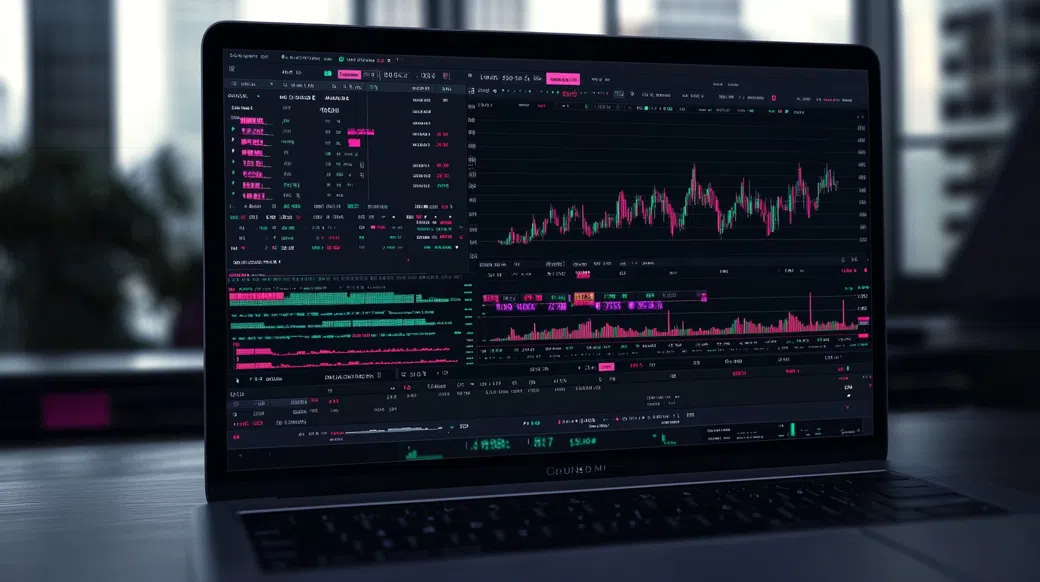
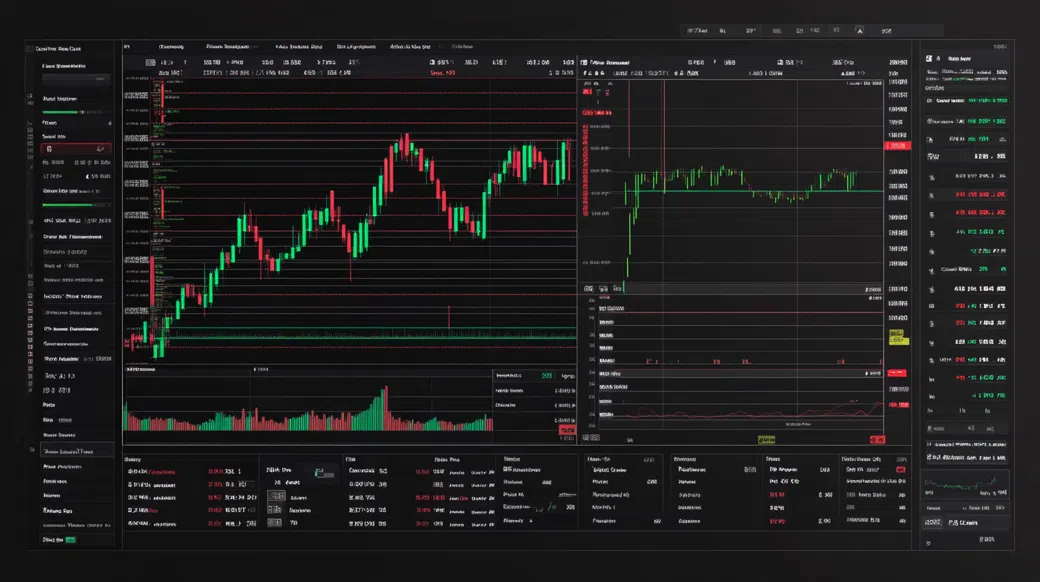
The WebTrader felt built for speed over nostalgia: stable sessions, clear margin readouts, and an order ticket that doesn’t hide the essentials (size, stop, limit, and leverage impact). I tested market and limit orders on EUR/USD around the London open; fills were prompt, with a touch of slippage when liquidity thinned on a quick headline. If you live inside the MT4/MT5 indicator marketplace, you’ll notice the gap—this is a contained ecosystem rather than a sprawling third-party add-on universe.
Sévélune Finance App: Mobile Trading Experience
The Sévélune Finance app is functional in the way Nordic fintech users appreciate: quotes update reliably, charts are readable in portrait mode, and you can manage stops without hunting through menus. The Sévélune Finance login supported biometric unlock on my device, and deposits/withdrawals were reachable from the same navigation layer as trading. One-tap close is there for damage control, while push notifications handled order status and margin alerts. My main gripe is screen density—multi-chart workflows are naturally tighter than on desktop.
Charting, Tools & Research
Charting covers the core toolkit (MA, RSI, MACD, Bollinger) plus basic drawing and multi-timeframe views, enough for rule-based execution. Research is lighter: an integrated news feed and an economic calendar help with timing, but it won’t replace a dedicated terminal or a proper macro dashboard. Alerts and watchlists are the practical highlights; I set price alerts on XAU/USD and US500 without fuss.
Sévélune Finance Account Opening & Minimum Deposit
After entering email, phone, and a few suitability-style prompts, I was routed to identity checks that will look familiar to anyone who has onboarded with a cross-border broker. KYC required a government-issued photo ID plus a recent proof of address (utility bill/bank statement dated within three months). My verification cleared within the same business day, and the first withdrawal was locked until the documents were approved—good AML hygiene, even if it adds a pause when you want cash quickly.
- Minimum Deposit: $200 (this is the Sévélune Finance minimum deposit I used to start testing)
- Funding Methods: Visa/Mastercard, bank wire, regional e-wallets, and crypto transfers (BTC/USDT supported in my deposit screen)
- Demo Account: $10,000 virtual balance for rehearsal and platform familiarization
- Account Types: Standard (spread-only) and Raw/ECN-style (tighter spreads + commission)
Base currency choices leaned toward USD/EUR, so Scandinavian traders should watch conversion costs if your banking is SEK-denominated. Funding by card posted quickly for me, with confirmation shown both in a pop-up and in the wallet ledger. For completeness: my mid-size test deposit and subsequent trading activity did not trigger unusual “source of funds” demands beyond normal KYC.
Sévélune Finance Customer Support Review
I poked support with a trader’s question—where the swap/overnight fee is shown before placing the trade, and whether the Raw/ECN commission is charged per side or round-turn. Live chat came back in about three minutes with a clear pointer to the instrument specs panel and confirmed the $7 commission is round-turn per lot. I followed up by email asking about Sévélune Finance withdrawal timing for card vs. crypto; the ticket was answered in roughly nine hours with a method-by-method breakdown. Sévélune Finance
Coverage was the usual 24/5 rhythm: helpful during European and US sessions, quieter on weekends. Language breadth seemed adequate in English, with other languages varying by agent availability; I didn’t see a consistently staffed phone desk, which is common in this segment. If you need hand-holding outside market hours, set expectations accordingly.
Ready to Explore Sévélune Finance?
If you’re curious, start with the demo, then compare Standard vs. Raw/ECN pricing on the instruments you actually trade. Also confirm your country eligibility and the available funding rails before you commit real capital—small details matter more than marketing banners.
Visit Sévélune FinanceSévélune Finance Review FAQ
Is Sévélune Finance good for beginners?
It can be, provided you treat leverage with respect and start small. The WebTrader layout is not intimidating, and the $10,000 demo helps you learn order mechanics without paying tuition to the market. Beginners should still remember CFDs amplify mistakes as efficiently as they amplify good calls.
Can I trade crypto on Sévélune Finance?
Yes, crypto is available as CFDs, with majors like BTC and ETH on the menu. You’re speculating on price movement rather than taking delivery of coins, so there’s no wallet transfer or on-chain ownership. Expect wider spreads and higher financing sensitivity around weekends.
Is Sévélune Finance a scam?
No—based on my 2026 hands-on use, it behaved like an operational broker (KYC checks, tradable markets, and withdrawals processed). The real caution is structural: offshore registration typically offers fewer formal protections than top-tier regulators. Judge it as a higher-risk venue and size positions accordingly.
Is Sévélune Finance available in the USA?
No, the USA was restricted when I tested eligibility. That’s consistent with US rules around retail CFD/derivatives distribution. If you travel frequently, don’t assume access will follow you across borders.
How long does a Sévélune Finance withdrawal take?
Most withdrawals were queued internally within 24–48 hours after KYC approval. Receipt time then depends on the rail: cards typically took 2–5 business days, bank wires 3–7 business days, and crypto arrived the same day in my test. Weekends can stretch timelines, especially for banking routes.
What is the Sévélune Finance minimum deposit?
The Sévélune Finance minimum deposit is $200. That level is enough to test execution and fees, but it’s not enough to “safely” run high leverage—risk is about position sizing, not entry price. If you’re new, consider the demo first and keep real trades small.
Does Sévélune Finance have a mobile app?
Yes, there are iOS and Android apps, and they mirror the core WebTrader functions. You can place and manage orders, monitor margin, and access funding/withdrawal menus from the phone. For detailed chart work, desktop still feels calmer.
Final Verdict: Should You Use Sévélune Finance in 2026?
Overall Score: 4.0/5
What stayed with me is the balance: this broker delivers a tidy trading experience—especially on Raw/ECN pricing—without forcing you into the heavy “platform religion” of MT4/MT5 add-ons. Execution and support were competent, and my withdrawal completed within the time window quoted. The caveat is not small, though: offshore oversight changes how you think about recourse, compensation, and leverage discipline. If you trade CFDs, assume volatility, slippage, and the possibility of rapid losses; capital is always at risk. Sévélune Finance
Best for: Active CFD traders who want a simple WebTrader and can manage risk with low effective leverage. Avoid if: You require Tier-1 regulation, extensive research tools, or you’re prone to overtrading on 1:500.