Tęcza Fondvel Trading Platform Alternatives 2026
Compare Tęcza Fondvel alternatives for 2026: regulated brokers, costs, platforms, execution quality, and a safe migration checklist for US/EU traders.
Tęcza Fondvel Trading Platform Alternatives 2026: Reliable Options for Online Traders
Leverage has a way of turning small frictions into big outcomes. A half-pip here, a delayed fill there, and suddenly your “good setup” becomes a lesson in execution. That’s usually the moment people start mapping out Tęcza Fondvel alternatives—not out of boredom, but out of a desire to put their risk in a framework they can actually verify. Based on what is commonly observed among offshore CFD venues, Tęcza Fondvel appears positioned as a forex-and-CFD-first broker, typically paired with a proprietary WebTrader and a mobile app, with headline leverage that can reach around 1:500 and entry-level deposits in the low hundreds of dollars (often around $250). EUR/USD pricing in this segment is frequently quoted around 2.0 pips on a “standard” style account, with tighter raw-style pricing sometimes advertised alongside a commission.
That package can be attractive for short-term speculation—until you start asking adult questions: Where is the entity supervised? How are client funds handled? What happens in a dispute? For readers coming from the EU/UK ecosystem—where FCA and CySEC rules shape everything from KYC to negative balance protection—those questions are not academic. They define survivability. In this guide to Tęcza Fondvel trading platform alternatives 2026, I’ll lay out what to look for, how different regulated brokers structure costs and execution, and how to move from Tęcza Fondvel to a new venue without creating avoidable operational risk.
Disclaimer: This article is for informational purposes only and does not constitute investment advice. CFDs and other leveraged products can move quickly against you, and losses may exceed expectations—trade only with risk capital.
Key Takeaways (TL;DR)
- Offshore-style CFD brokers often pair high leverage (around 1:500) with simpler WebTrader stacks; regulated substitutes typically offer clearer protections and dispute processes.
- Compare “round-turn” trading cost (spread + commission + swap) rather than headline spreads alone—especially if you trade frequently or hold overnight.
- If you switch, open and KYC-verify the new account first, then withdraw using the original funding method to avoid AML-related delays.
What Is Tęcza Fondvel and How Does Its Trading Platform Work?
From a practical trader’s viewpoint, Tęcza Fondvel looks like a classic offshore CFD venue: a single-broker environment geared toward forex and indices, with commodities and crypto CFDs usually rounding out the menu. The regulatory footprint in this category is typically outside the stricter EU/UK perimeter; here, the common supervisory wrapper is the Seychelles FSA rather than bodies like the FCA or ASIC. The intended user is often the short-term retail trader—someone drawn to higher leverage (around 1:500) and a relatively low minimum deposit (commonly $250), accepting that investor-protection features can be thinner than at large, publicly visible brokers. That reality is why many compare brokers similar to Tęcza Fondvel against tier-one regulated names before sizing up.
Tęcza Fondvel Web Trading Platform: Core Features and Tools
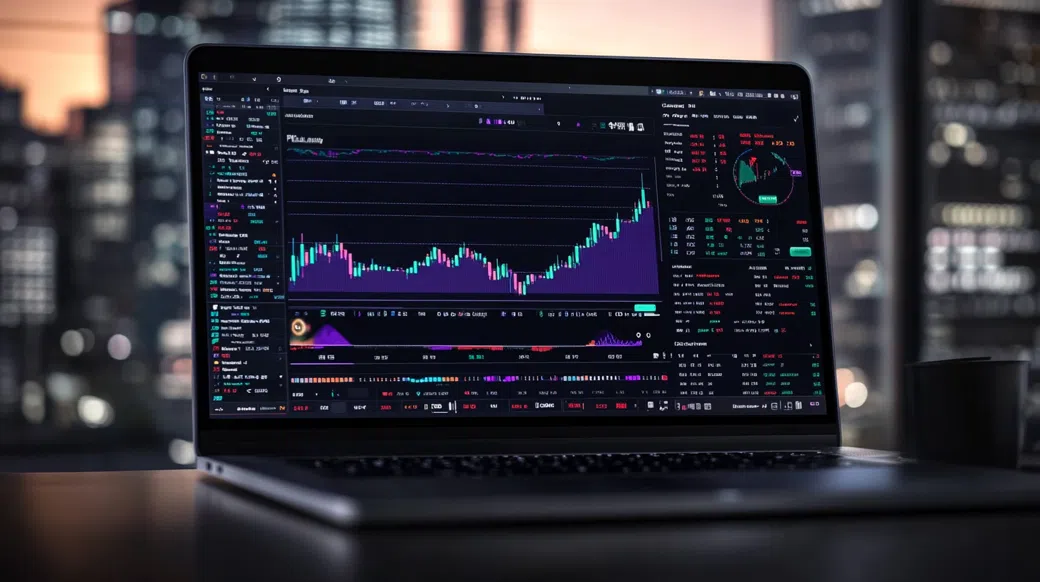
Expect a proprietary WebTrader that aims for accessibility over depth. Charting is usually adequate for discretionary trading—multiple timeframes, a basic set of indicators, and standard drawing tools—yet it rarely matches the ecosystem of MT4/MT5 or cTrader for automation, plug-ins, or granular order management. Order tickets in this segment typically cover market, limit, and stop orders, sometimes with take-profit/stop-loss linking, while advanced order types and custom scripting tend to be limited. Mobile apps on iOS and Android often mirror the web experience closely: convenient for monitoring and quick adjustments, less ideal for multi-leg planning. Execution feedback can feel “fine” in calm markets and less predictable during news, where slippage and requotes (depending on the model) become the real cost.
Trading Fees, Spreads, and Account Types at Tęcza Fondvel
Pricing at offshore CFD platforms is usually packaged in tiers. A standard-style account often bakes costs into the spread—think roughly EUR/USD from about 2.0 pips—while a raw/ECN-style option may show tighter spreads (often 0.0–0.4 pips) plus a commission in the neighborhood of $6–$8 per round turn. Swap/overnight financing is the silent line item: it matters if you hold index CFDs or FX positions for days, and it can dwarf entry spreads in choppy carry environments. Watch for secondary charges too—withdrawal fees, currency conversion, and inactivity policies—because competitors to Tęcza Fondvel sometimes win not by being “cheap,” but by being transparent and consistent.
When Do Traders Start Looking for Tęcza Fondvel Alternatives?
Regulatory certainty is the first domino for many professionals, even if they won’t admit it at the start. A broker can quote tight prices and still be the wrong counterparty if the oversight, complaint process, or client-money handling is hard to validate. That’s the emotional engine behind most alternatives to the Tęcza Fondvel trading platform: people want execution and funding flows that feel boring—in the best sense. I’ve also seen traders switch for more tactical reasons: needing MT4/MT5 or cTrader for systematic workflows, or wanting genuine multi-asset access instead of CFD-only replicas.
- Your strategy needs MT4/MT5 or cTrader (EAs, custom indicators, advanced order handling) and the current WebTrader can’t support it.
- You trade around macro releases and notice slippage patterns that make your stop placement feel like guesswork rather than risk control.
- You want investor-protection features (segregated funds, negative balance protection, formal dispute channels) that are clearer at FCA/CySEC/ASIC-regulated firms.
- Your plan expands into real stocks/ETFs or listed options, and the current setup is largely CFD-only with limited portfolio reporting.
How to Choose a Reliable Alternative to the Tęcza Fondvel Trading Platform
Selection is less a “best broker” beauty contest and more a fit-to-risk-budget exercise. Start with what can break you: counterparty risk, margin policy, and execution behavior under stress. Then work outward into costs, tools, and markets. The right substitutes for Tęcza Fondvel differ for a scalper, a swing trader, and an investor building a long-only sleeve next to CFD hedges.
Regulation, Safety, and Investor Protection
Think of regulation as the plumbing you never notice—until it leaks. FCA (UK), ASIC (Australia), CySEC (Cyprus/EU), and NFA/CFTC (US) supervision generally brings stricter conduct rules, clearer capital requirements, and more transparent complaint paths. In the UK, the FSCS can cover eligible claims up to £85,000; in Cyprus, the ICF framework can cover up to €20,000 for eligible clients. Segregated client funds matter, but so does the broker’s legal entity you actually sign with—especially for cross-border accounts.
Available Markets and Instruments
If you only need FX and index CFDs, you can optimize for execution and cost. The moment you want real equities, ETFs, bonds, listed options, or futures, many offshore CFD stacks stop being sufficient. Multi-asset brokers can give you DMA-style access to exchanges, proper corporate actions, and consolidated reporting. For US/EU readers, that difference is not cosmetic: “owning” shares is not the same as holding a stock CFD, and the tax paperwork tends to be cleaner with true custody models.
Trading Costs: Spreads, Commissions, and Other Fees
Headline spreads are marketing; your P&L sees round-turn cost. Add the spread (in pips) to commissions (if any), then layer in swap/overnight financing and incidental fees such as inactivity or conversion charges. A tight raw spread with a $7 round-turn commission can be cheaper than a 1.2–1.5 pip all-in spread—depending on trade size and frequency. If you’re comparing platforms like Tęcza Fondvel, insist on seeing typical, not just “from,” pricing and check whether costs widen materially during liquid but volatile windows.
Platforms, Tools, and Execution Quality
Platform choice is really a workflow decision. MT4/MT5 remains common for FX automation; cTrader often appeals to traders who care about execution transparency and order handling; proprietary platforms vary from elegant to restrictive. Ask how the broker routes orders: market maker, STP, ECN, or DMA. None is “good” by definition, but each has trade-offs in slippage, rejection rates, and conflict-of-interest perceptions. Even at regulated firms, execution during fast markets will slip—what you want is predictable rules and consistent reporting.
Support, Education, and Overall User Experience
Support quality shows up when money moves. Look for clear funding/withdrawal timelines, multilingual coverage (especially for EU clients), and responsive handling of trade audits or platform incidents. Education is a bonus, not a safety net—but solid margin and risk modules can prevent self-inflicted wounds. Finally, check mobile parity: if you manage risk on the go, the app must allow full order management, not just a “close position” panic button.
Tęcza Fondvel and Different Asset Classes: When Alternatives May Be Better
Tęcza Fondvel Forex and CFD Trading
Forex and CFDs are likely the main event at Tęcza Fondvel: roughly a few dozen FX pairs (often 30–50), a modest index list, and a handful of commodities. The attraction is usually leverage—around 1:500—and straightforward onboarding with deposits commonly near $250. The trade-off is that the all-in cost can be heavier than it first appears: EUR/USD around 2.0 pips on standard-style pricing is workable for swing trading, but it punishes high-frequency approaches. Regulated FX/CFD specialists like Pepperstone and OANDA tend to offer tighter pricing structures and more robust platform choice (MT4/MT5/cTrader or proprietary), plus clearer disclosures around execution and slippage. For traders who size positions aggressively, negative balance protection and margin rules under FCA/CySEC-style oversight can be the difference between a bad day and a catastrophic one.
Tęcza Fondvel Stock and ETF Trading
Stock and ETF exposure at offshore CFD venues is often a mirror image of the underlying market: you get price movement via CFDs, not ownership. That means no shareholder rights, no direct participation in corporate actions beyond synthetic adjustments, and sometimes less transparent financing charges. If your 2026 plan includes building a real portfolio—US equities, European ETFs, maybe even Nordic small caps—you’ll want a broker that actually connects you to exchanges. Interactive Brokers is the obvious toolkit for that: broad global market access, options and futures, and serious reporting. Saxo Bank also fits the European multi-asset brief, particularly for traders who want a polished interface while still accessing listed products. In other words: if you’re looking for regulated options vs Tęcza Fondvel for long-term holdings, custody and product breadth beat leverage every time.
Tęcza Fondvel Crypto Trading
Crypto at Tęcza Fondvel is most plausibly offered as CFDs—often a basket of 10–30 coins—giving you price exposure without on-chain ownership. That structure can be useful for short-term hedging, but it’s not the same as holding crypto in a wallet, and financing costs can be meaningful when volatility spikes. For traders who want regulated, CFD-based crypto exposure with clearer guardrails, brokers like IG (jurisdiction-dependent) and Plus500 provide crypto CFDs under well-known regulatory umbrellas, alongside risk controls and standardized disclosures. If you’re comparing top substitutes for Tęcza Fondvel, be explicit about your goal: trading volatility (CFDs) versus owning the asset (spot). Mixing the two without a plan is how risk sneaks into the portfolio through the back door.
Best Tęcza Fondvel Alternatives for 2026: Comparison of Top Trading Platforms
Saxo Bank: Key Facts and How It Compares to Tęcza Fondvel
Regulation: FCA, MAS, DFSA (entity depends on region)
Markets: Stocks, ETFs, bonds, options, futures, FX, CFDs
Fees: FX spreads typically from ~0.6–1.2 pips depending on tier; commissions apply on stocks/options/futures
Platform: SaxoTraderGO, SaxoTraderPRO
Best For: Multi-asset Europeans who want a single, institutional-feeling toolbox
Pepperstone: Key Facts and How It Compares to Tęcza Fondvel
Regulation: FCA, ASIC, CySEC, DFSA
Markets: FX, index CFDs, commodities, some crypto CFDs (varies by entity)
Fees: Standard spreads often ~1.0+ pip; Raw-style pricing can be ~0.0–0.3 pips + commission (commissions vary by platform/account)
Platform: MT4, MT5, cTrader
Best For: Systematic traders running EAs who care about tight pricing
Interactive Brokers (IBKR): Key Facts and How It Compares to Tęcza Fondvel
Regulation: SEC/FINRA, FCA, IIROC (entity depends on region)
Markets: Stocks, ETFs, options, futures, FX, bonds, funds
Fees: Commissions vary by market/route; FX pricing is typically tight for active traders with transparent reporting
Platform: Trader Workstation (TWS), IBKR Desktop/Mobile, APIs
Best For: Serious global investors and hedgers needing listed markets and reporting depth
IG: Key Facts and How It Compares to Tęcza Fondvel
Regulation: FCA, ASIC, MAS
Markets: CFDs (FX, indices, commodities, shares), spread betting (UK), crypto CFDs (jurisdiction-dependent)
Fees: FX spreads often from ~0.6+ pips on major pairs; financing/overnight fees apply on CFDs
Platform: IG Web Platform, IG Mobile, MT4 (where available)
Best For: Active CFD traders who want a long-standing, research-heavy venue
OANDA: Key Facts and How It Compares to Tęcza Fondvel
Regulation: CFTC/NFA, FCA, ASIC, IIROC
Markets: FX, CFDs (availability varies by region)
Fees: Spread-based pricing; majors often around ~0.8–1.4 pips depending on account/region; swaps apply overnight
Platform: OANDA platforms, MT4 (where available)
Best For: FX-first traders who value strong regulation and straightforward pricing
CMC Markets: Key Facts and How It Compares to Tęcza Fondvel
Regulation: FCA, ASIC, BaFin
Markets: CFDs (FX, indices, commodities, treasuries, shares), some investing features by region
Fees: FX spreads often from ~0.7+ pips; share-CFD commissions may apply depending on market
Platform: Next Generation platform, mobile app, MT4 (where available)
Best For: Chart-driven discretionary traders who live inside the platform
Comparison Summary
| Platform | Regulation | Main Markets | Typical Costs | Best For |
|---|---|---|---|---|
| Saxo Bank | FCA, MAS, DFSA | Stocks/ETFs/bonds + FX/CFDs + options/futures | FX ~0.6–1.2 pips (tiered); commissions on listed products | Multi-asset Europeans who want a single, institutional-feeling toolbox |
| Pepperstone | FCA, ASIC, CySEC, DFSA | FX + major CFD suite | Raw ~0.0–0.3 pips + commission; Standard ~1.0+ pip | Systematic traders running EAs who care about tight pricing |
| Interactive Brokers (IBKR) | SEC/FINRA, FCA, IIROC | Listed global markets: equities, options, futures, FX, bonds | Market-based commissions; tight FX for active users; strong reporting | Serious global investors and hedgers needing listed markets and reporting depth |
| IG | FCA, ASIC, MAS | CFDs (broad) + spread betting (UK) | FX often ~0.6+ pips; overnight financing on CFDs | Active CFD traders who want a long-standing, research-heavy venue |
| OANDA | CFTC/NFA, FCA, ASIC, IIROC | FX (core) + CFDs (region-dependent) | Spread-based, majors often ~0.8–1.4 pips; swaps overnight | FX-first traders who value strong regulation and straightforward pricing |
| CMC Markets | FCA, ASIC, BaFin | CFDs across FX/indices/commodities/shares | FX often ~0.7+ pips; share-CFD costs vary by market | Chart-driven discretionary traders who live inside the platform |
How to Safely Move from Tęcza Fondvel to Another Broker
A broker switch is operational risk dressed up as a shopping trip. Treat it the way a fixed-income desk treats a settlement: sequence matters, documentation matters, and “should be fine” is not a control. Before you move funds away from Tęcza Fondvel, set up the destination properly, test the plumbing, and remember that leverage amplifies mistakes just as efficiently as it amplifies returns.
- Confirm the new broker’s licence on the regulator’s own register (FCA Register, ASIC Connect, CySEC directory, or NFA BASIC) and match the legal entity name to the account-opening paperwork.
- Open the new account and complete KYC/AML first—ID plus proof of address—so you’re not stuck in verification limbo with funds in transit.
- Export statements, trade history, and funding records from the old account for tax reporting and for any later reconciliation questions.
- Flatten open positions on the old venue rather than assuming transfers; if you want the same exposure, re-enter on the new platform with fresh sizing and stops.
- Withdraw using the original funding rail where possible (same card/bank/wallet path) since many brokers enforce source-of-funds rules for compliance.
Ready to Explore Tęcza Fondvel?
If you’re still evaluating whether the current setup fits your 2026 plan, review onboarding, funding methods, and regional eligibility carefully, then compare the platform stack against your strategy requirements. The point isn’t to collect accounts—it’s to trade in an environment you can audit.
Visit Tęcza FondvelFAQ: Tęcza Fondvel Alternatives and Trading Platforms
What is the best alternative to Tęcza Fondvel in 2026?
The best option depends on whether you need real multi-asset access or mainly FX/CFDs, but for many EU/UK traders the cleanest upgrade is a tier-one regulated venue like Saxo Bank or Interactive Brokers. For FX execution and MT4/MT5/cTrader workflows, Pepperstone is often a stronger match than offshore-style setups. Use this list as a menu of best Tęcza Fondvel alternatives 2026, then choose based on instruments, platform, and your holding period.
Is Tęcza Fondvel a safe broker/platform?
Safety is harder to evidence with offshore frameworks, and Tęcza Fondvel appears to sit in that category (commonly associated with the Seychelles FSA rather than FCA/ASIC/CySEC). That doesn’t automatically mean a platform fails operationally, but it does mean investor-protection layers and dispute routes can be different from what EU/UK traders expect. If you’re weighing Tęcza Fondvel alternatives, prioritize segregated client funds, negative balance protection, and clear legal-entity supervision.
Can I trade stocks, futures, or crypto with Tęcza Fondvel?
Most brokers in this segment focus on FX and CFDs, so stocks and crypto are typically offered as CFDs (price exposure) rather than as real ownership or listed exchange access. Listed futures access is more commonly found at multi-asset brokers such as Interactive Brokers or Saxo Bank, not at offshore CFD-first venues. If you want crypto exposure via CFDs under well-known regulators, IG or Plus500-style models (jurisdiction-dependent) are usually closer to what global retail traders can verify.
What should I check before switching from Tęcza Fondvel to another platform?
Check the broker’s legal entity on the regulator register, confirm client-money segregation language, and read the margin/stop-out rules—those details control your downside. Verify funding and withdrawal methods, then open and KYC the new account before you pull capital from Tęcza Fondvel to avoid delays. Finally, test execution with small size so slippage behavior doesn’t surprise you when you scale.
About the Author: Erik Lindström is a Stockholm-based former fixed-income analyst turned financial journalist, focused on European brokerage ecosystems and Nordic fintech innovation. He writes from the trader’s side of the table: risk management as craft, not spreadsheet theater, with a bias toward verifiable rules and clean market plumbing.