Thistle Gainmere Trading Platform Alternatives 2026
Compare Thistle Gainmere alternatives for 2026 across regulation, costs, platforms, and markets. Practical safety checks and migration steps for US/EU traders.
Thistle Gainmere Trading Platform Alternatives 2026: Reliable Options for Online Traders
Leverage has a way of making small frictions feel enormous. A half-second delay becomes a missed fill; a slightly wider spread becomes a monthly bill; an unclear legal entity becomes a sleepless night. That’s the backdrop for this guide to Thistle Gainmere alternatives in 2026—written for traders who want a cleaner structure around execution, custody safeguards, and predictable rules.
Based on what is commonly observed among offshore CFD-first providers, Thistle Gainmere appears positioned around forex and CFDs, likely paired with a proprietary WebTrader and a mobile app rather than a deep third-party platform stack. Typical headline terms in this segment include a minimum deposit around $250, maximum leverage that can reach 1:500, and a standard EUR/USD spread often seen around ~2.0 pips. Those numbers can look attractive on the surface, yet they rarely tell you how slippage is handled, how disputes are escalated, or what happens when withdrawals get “reviewed.”
For a US/EU audience, the hard divider is usually regulatory perimeter: FCA, ASIC, CySEC, and NFA frameworks tend to force clearer disclosure, stronger client-money rules (segregated client funds), and—sometimes—investor compensation schemes. The goal here isn’t to “win” an argument about any one broker. It’s to map credible substitutes for the Thistle Gainmere trading platform, then show how to move with minimal operational risk.
Disclaimer: This article is for informational purposes only and does not constitute investment advice. CFDs and other leveraged products carry a high risk of loss and may not be suitable for all investors.
Key Takeaways (TL;DR)
- Offshore-style leverage (often up to 1:500) can magnify both gains and liquidation risk; evaluate margin rules, negative balance protection, and stop-out logic—not just the headline ratio.
- If you need real stocks/ETFs (not CFDs), prioritize multi-asset brokers such as Interactive Brokers or Saxo Bank with broader market access and clearer ownership mechanics.
- Cost comparison should be done on round-turn trading cost (spread + commission + expected slippage), especially for high-frequency FX strategies.
What Is Thistle Gainmere and How Does Its Trading Platform Work?
From a market-structure perspective, Thistle Gainmere looks like a CFD-centric venue aimed at retail traders who want fast onboarding and broad access to FX, indices, and popular speculative contracts. Publicly, brokers in this category commonly operate under an offshore framework—often tied to jurisdictions such as the Seychelles—and they typically cater to non-US clients (the USA is routinely restricted). If your strategy is simple—occasional EUR/USD trades, a bit of gold, maybe an index CFD—the proposition can feel straightforward. The trade-off is that “straightforward” sometimes means fewer transparent levers: lighter reporting, less formal dispute resolution, and fewer externally enforced conduct rules than you’d see with regulators like the FCA or ASIC. That gap is exactly why brokers similar to Thistle Gainmere are frequently compared against tier-1 regulated alternatives.
Thistle Gainmere Web Trading Platform: Core Features and Tools
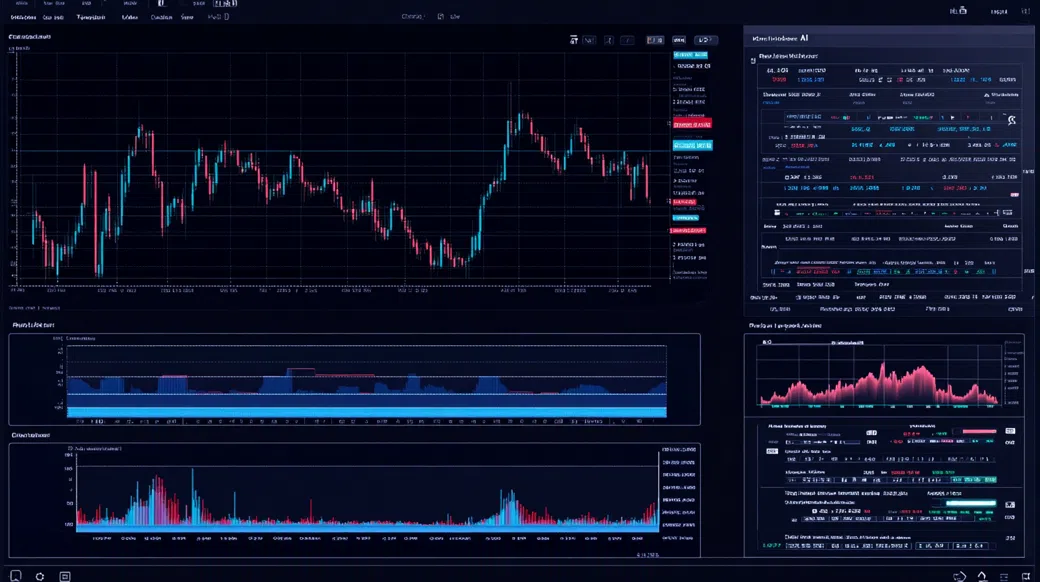
The platform stack is typically a proprietary WebTrader with an accompanying iOS/Android app. Expect practical, not professional-grade, charting: a workable set of indicators, basic drawing tools, and standard order tickets for market/limit/stop. Where these WebTrader builds often fall short is depth—multi-chart layouts, granular order controls, and robust journaling are usually thinner than what MT4/MT5 or cTrader users are accustomed to. Execution “feel” also matters: when volatility spikes, a platform can look smooth while fills show slippage. Mobile parity tends to be decent for monitoring and closing positions, yet serious analysis is usually more comfortable on desktop. The account dashboard commonly focuses on deposits/withdrawals, open positions, and margin metrics rather than advanced risk analytics.
Trading Fees, Spreads, and Account Types at Thistle Gainmere
Fee schedules for offshore CFD platforms often revolve around spread-first pricing with optional “raw” style tiers. A realistic yardstick for a standard account is EUR/USD around ~2.0 pips; a raw/ECN-like tier, when offered in this segment, may advertise 0.0–0.4 pips plus a commission roughly $5–$8 round-turn. Beyond spreads, the silent costs are swap/overnight financing and occasional operational fees (withdrawal charges or inactivity rules). Leverage up to 1:500 can mask these frictions because position sizes inflate quickly; the financing line item then becomes a strategy variable, not an afterthought. If you’re benchmarking alternatives to the Thistle Gainmere trading platform, treat “all-in cost per round trip” as the real metric.
When Do Traders Start Looking for Thistle Gainmere Alternatives?
Regulation is usually the first domino. When a broker sits outside the FCA/ASIC/CySEC orbit, the trader’s risk shifts from “market risk” to “market risk plus counterparty process risk.” That’s the moment many people begin scanning Thistle Gainmere alternatives—not because they want a different logo, but because they want enforceable standards around client money, complaints, and disclosure. Just as often, the catalyst is practical: pricing that looks fine on day one but feels heavy once you trade size, or a platform that doesn’t support the workflow your strategy requires.
- You need MT4/MT5 or cTrader for automation (EAs), advanced order handling, or a cleaner backtesting-to-live pipeline than a basic WebTrader provides.
- Your trading log shows the spread + slippage combination widening around news, making a “tight” strategy untradeable in practice.
- Withdrawals take longer than expected or require repeated documentation beyond standard KYC/AML norms.
- You want access to real stocks/ETFs (ownership exposure) rather than equity CFDs with financing and no shareholder rights.
How to Choose a Reliable Alternative to the Thistle Gainmere Trading Platform
Selection isn’t a beauty contest; it’s a fit-to-risk-budget exercise. I start by separating what must be true (regulatory coverage, client-money safeguards, product access) from what would be nice (interface preferences, extra indicators, social features). Once the non-negotiables are set, the rest becomes an execution question: can this broker fill you fairly, at a cost you can live with, using tools that don’t fight your process?
Regulation, Safety, and Investor Protection
For EU/UK traders, an FCA or CySEC framework typically brings tighter conduct oversight, clearer best-execution expectations, and client-money segregation rules. Investor compensation is not a magic shield, but it’s a meaningful layer: the UK’s FSCS can cover eligible claims up to £85,000, while Cyprus’ ICF can cover up to €20,000 under certain conditions. In Australia, ASIC oversight matters, though compensation mechanics differ. US traders should focus on NFA/CFTC for FX and SEC/FINRA for securities. Always cross-check the legal entity on the regulator’s register—names can be deceptively similar.
Available Markets and Instruments
Ask a blunt question: do you need ownership products (stocks, ETFs, bonds), or is synthetic exposure (CFDs) enough? Many platforms like Thistle Gainmere emphasize FX and index CFDs; that can work for tactical trading, but it won’t satisfy an investor building a long-term allocation across equities and fixed income. If you want options, futures, or broad global exchanges, you are usually in multi-asset broker territory. If you only need FX and a handful of CFDs, a specialist with sharp pricing and stable execution can be the better tool.
Trading Costs: Spreads, Commissions, and Other Fees
Cost-of-trade is rarely just the headline spread. Compare the round-turn cost: spread + commissions + typical slippage for your order size and timing. A raw account at 0.1–0.3 pips plus $6 round-turn can beat a “commission-free” 1.2–1.6 pip spread quickly if you trade frequently. Then add the second-order fees: swap/overnight financing, currency conversion, and inactivity charges. A monthly audit of your trading statements—line by line—often reveals more than any marketing page.
Platforms, Tools, and Execution Quality
Platform choice is really a choice about execution and control. MT4/MT5 and cTrader support automation, custom indicators, and a mature ecosystem; proprietary platforms can be slick but may restrict workflows. Also pay attention to execution model: market maker vs STP/ECN vs DMA isn’t a moral label, it’s a microstructure constraint that affects re-quotes, pricing streams, and how slippage is handled. If you’re coming from Thistle Gainmere, test the new broker with small tickets during volatile sessions to see how fills behave, not just how charts look.
Support, Education, and Overall User Experience
Support quality shows up precisely when you don’t want it to: during a margin call, a stuck withdrawal, or an account verification snag. Check service hours, language coverage, and whether you can reach a human with authority. Education matters too, but I value “operational education” most—clear margin rules, swap tables, order type explanations, and platform walkthroughs. Finally, mobile parity is not a luxury anymore; if the app cannot manage stops, margin, and alerts reliably, your risk control is weaker than you think.
Thistle Gainmere and Different Asset Classes: When Alternatives May Be Better
Thistle Gainmere Forex and CFD Trading
In FX and CFDs, the visible terms are leverage and spreads; the invisible terms are execution quality and dispute resolution. A setup like Thistle Gainmere typically covers a workable list—often 30–50 FX pairs, plus 8–15 indices and a handful of commodities. With EUR/USD around ~2.0 pips on a standard tier and leverage up to 1:500, it can appeal to short-term traders. The catch is that high leverage turns small pricing imperfections into real money fast, especially around data releases where slippage is normal.
If you want to stay in the FX/CFD lane but tighten the plumbing, Pepperstone and OANDA are strong reference points: both are widely recognized, run under major regulators, and offer mature platform stacks (MT4/MT5/cTrader or proprietary plus MT4). For experienced CFD traders, IG also brings breadth and a long operational history in regulated markets. In short: for many traders, the best substitutes for Thistle Gainmere in FX are the venues that treat execution and disclosure as first-class features.
Thistle Gainmere Stock and ETF Trading
Stock “trading” can mean two very different things: owning shares/ETFs on an exchange, or trading equity CFDs that reference a price. Offshore CFD-first brokers frequently focus on the second, which comes with financing costs, no shareholder rights, and exposure to the broker’s terms. For traders who want to build a real portfolio—US/EU equities, ETFs, and sometimes bonds—the platform category changes.
Interactive Brokers (IBKR) is hard to ignore here: broad global market access, a deep product menu (including bonds and futures), and a structure built for serious order routing. Saxo Bank sits closer to the European private-banking tradition—multi-asset, strong research and reporting, and a polished platform layer. If your motivation for searching competitors to Thistle Gainmere is “I want real assets alongside tactical CFDs,” these two are often the cleanest bridge.
Thistle Gainmere Crypto Trading
Crypto exposure also splits into two realities: CFDs on crypto versus owning coins in a wallet. Platforms in the Thistle Gainmere segment commonly offer crypto CFDs—often 10–30 of the most traded coins—because it fits the same margin and pricing model as FX. That can be useful for short-term positioning, but it is not on-chain ownership, and it inherits the broker’s overnight financing, margin rules, and weekend liquidity quirks.
Among regulated options, IG and Plus500 are widely used for crypto CFDs in jurisdictions where they are permitted, with clearer disclosures than many offshore venues. If your goal is crypto exposure without stepping outside a more formal compliance perimeter, those are practical reference points. Just keep the risk lens switched on: crypto CFDs combine volatile underlying markets with leverage, so a “small” position can still behave like a grenade in a tight portfolio.
Best Thistle Gainmere Alternatives for 2026: Comparison of Top Trading Platforms
Saxo Bank: Key Facts and How It Compares to Thistle Gainmere
Regulation: FCA, DFSA, MAS (entity depends on region)
Markets: Stocks, ETFs, bonds, FX, CFDs, options, futures
Fees: FX spreads typically from ~0.6–1.2 pips (account/region dependent); commissions apply on many exchange-traded products
Platform: SaxoTraderGO, SaxoTraderPRO
Best For: Multi-asset traders who want a “one-screen” portfolio plus tactical FX/CFDs
Interactive Brokers (IBKR): Key Facts and How It Compares to Thistle Gainmere
Regulation: SEC/FINRA, FCA, IIROC
Markets: Stocks, ETFs, options, futures, FX, bonds
Fees: FX is typically commission-based with tight effective spreads; exchange-traded products priced via commissions (varies by venue and tier)
Platform: Trader Workstation (TWS), IBKR Desktop, Client Portal, APIs
Best For: Professionals and active investors needing global market access and advanced order routing
Pepperstone: Key Facts and How It Compares to Thistle Gainmere
Regulation: FCA, ASIC, CySEC, DFSA
Markets: FX, CFDs (indices, commodities, some crypto CFDs depending on entity)
Fees: Raw accounts often ~0.0–0.3 pips plus commission (~$6–$7 round-turn); standard spreads commonly around ~1.0–1.4 pips
Platform: MT4, MT5, cTrader
Best For: Cost-sensitive FX traders using automation or short-term execution tactics
OANDA: Key Facts and How It Compares to Thistle Gainmere
Regulation: CFTC/NFA, FCA, ASIC, IIROC
Markets: FX, CFDs (availability varies by jurisdiction)
Fees: Typically spread-only pricing in many regions (often ~0.8–1.6 pips on EUR/USD); financing applies to leveraged holdings
Platform: OANDA Trade (web/mobile), MT4
Best For: US-eligible FX traders prioritizing a well-known regulatory framework
IG: Key Facts and How It Compares to Thistle Gainmere
Regulation: FCA, ASIC, MAS
Markets: CFDs (FX, indices, commodities, shares), some exchange-traded access in certain regions
Fees: FX spreads commonly from ~0.6–1.2 pips (pair/market dependent); other CFD costs vary by instrument
Platform: IG Trading Platform (web/mobile), MT4 (region dependent)
Best For: Broad CFD coverage and research-driven discretionary trading
Plus500: Key Facts and How It Compares to Thistle Gainmere
Regulation: FCA, CySEC, ASIC, MAS
Markets: CFDs (FX, indices, commodities, shares, crypto CFDs where permitted)
Fees: Primarily spread-based; typical EUR/USD often around ~0.8–1.6 pips depending on conditions; overnight fees apply
Platform: Plus500 proprietary WebTrader and mobile app
Best For: Simplicity-first CFD traders who prefer a streamlined, app-centric workflow
Comparison Summary
| Platform | Regulation | Main Markets | Typical Costs | Best For |
|---|---|---|---|---|
| Saxo Bank | FCA, DFSA, MAS | Stocks/ETFs, bonds, FX, CFDs, options, futures | FX ~0.6–1.2 pips; commissions on exchanges | Multi-asset traders wanting unified portfolio + trading |
| Interactive Brokers (IBKR) | SEC/FINRA, FCA, IIROC | Stocks/ETFs, options, futures, FX, bonds | Commission-led model; tight effective FX pricing | Professionals needing global reach and advanced routing |
| Pepperstone | FCA, ASIC, CySEC, DFSA | FX and CFDs | Raw ~0.0–0.3 pips + ~$6–$7 RT; Standard ~1.0–1.4 pips | Automation-friendly, price-focused FX trading |
| OANDA | CFTC/NFA, FCA, ASIC, IIROC | FX (plus CFDs where available) | Often ~0.8–1.6 pips spread-only; financing applies | US-eligible FX traders emphasizing regulatory clarity |
| IG | FCA, ASIC, MAS | CFDs across FX/indices/commodities/shares | FX often ~0.6–1.2 pips; instrument-specific CFD charges | Research-led discretionary CFD trading |
| Plus500 | FCA, CySEC, ASIC, MAS | CFDs (including crypto CFDs where permitted) | Spread-based; EUR/USD often ~0.8–1.6 pips; overnight fees | Streamlined, app-first CFD execution |
How to Safely Move from Thistle Gainmere to Another Broker
Switching brokers is less like changing a charting app and more like moving a small business bank account: you want continuity, documentation, and controlled testing. Before you chase tighter spreads or shinier tools, plan the sequence so you don’t end up forced to trade during a withdrawal delay. If you’re migrating away from Thistle Gainmere, assume positions won’t “transfer” and that KYC/AML checks will be enforced at the new venue.
- Confirm the new broker’s exact legal entity on the regulator’s public register (FCA Register, ASIC Connect, CySEC register, or NFA BASIC) and match it to the account-opening paperwork.
- Open the new account and complete KYC first (government ID + proof of address). Many verifications clear quickly, but weekends and name mismatches can stretch timelines.
- Rebuild your watchlists, alerts, and order templates on the new platform so you’re not improvising in live market conditions.
- Flatten or reduce open exposure on the old account before initiating withdrawals; leveraged CFDs can gap against you while funds are in transit.
- Request withdrawals using the same rails used for deposit where possible, since AML rules often require “return to source” before alternative methods are approved.
Ready to Explore Thistle Gainmere?
If you’re still evaluating competitors to Thistle Gainmere, review current onboarding steps, regional eligibility, and the platform features that actually matter to your strategy (order types, margin rules, and execution reporting). Compare conditions side by side before committing meaningful capital.
Visit Thistle GainmereFAQ: Thistle Gainmere Alternatives and Trading Platforms
What is the best alternative to Thistle Gainmere in 2026?
The best choice depends on whether you need multi-asset access or mainly FX/CFDs. For real stocks/ETFs and broad global markets, Interactive Brokers and Saxo Bank are strong benchmarks; for FX execution and platform choice, Pepperstone and OANDA are common picks. Traders focused on broad CFD coverage often shortlist IG, while Plus500 suits those who want a simpler proprietary interface.
Is Thistle Gainmere a safe broker/platform?
Thistle Gainmere appears to operate in an offshore/unregulated-style framework (commonly seen under jurisdictions such as the Seychelles), which generally offers fewer investor protections than FCA/ASIC/CySEC or NFA oversight. That doesn’t automatically mean a platform fails operationally, but it does change the risk profile: dispute resolution, client-money safeguards, and enforcement tend to be less robust. For many traders comparing Thistle Gainmere alternatives, that regulatory perimeter is the deciding factor.
Can I trade stocks, futures, or crypto with Thistle Gainmere?
Thistle Gainmere is typically positioned around forex and CFDs; stocks and crypto, if offered, are usually in CFD form rather than direct ownership. Futures access is more commonly associated with multi-asset brokers than offshore CFD-first platforms. If you need exchange-traded stocks/ETFs or listed futures, Interactive Brokers or Saxo Bank are closer matches for that requirement.
What should I check before switching from Thistle Gainmere to another platform?
Verify the new broker’s legal entity on the regulator register, then confirm client-money segregation, negative balance protection (if applicable), and your product permissions in your jurisdiction. Next, compare all-in trading costs (spread + commissions + swap) and test execution with small orders to observe slippage during active sessions. Finally, complete KYC at the new broker before withdrawing from the old account so you don’t get stuck mid-transfer.
About the Author: Erik Lindström is a Stockholm-based former fixed-income analyst who covers European brokerage ecosystems and Nordic fintech innovation. He focuses on the practical side of trading—execution, market structure, and operational risk—because risk management is an art built from habits, not slogans.