
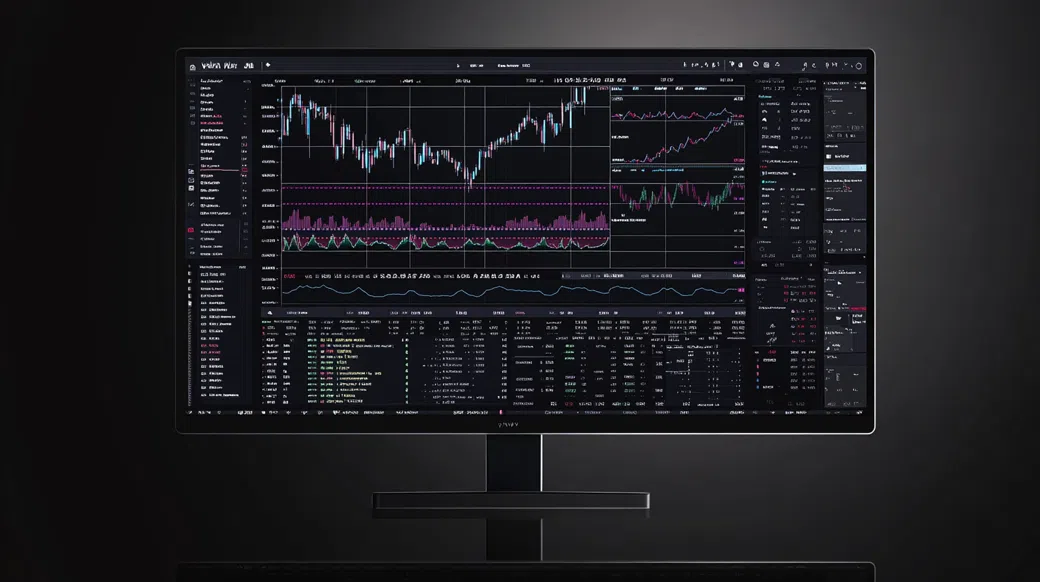
Troefbaat Trading Platform Alternatives 2026
Troefbaat trading platform alternatives 2026: compare regulated brokers, costs, platforms, and safety steps to pick a reliable option for US/EU traders.
Troefbaat Trading Platform Alternatives 2026: Reliable Options for Online Traders
From Stockholm’s dealing rooms to today’s app-first broker world, I’ve learned one uncomfortable truth: the broker is part of your risk. Not just your spread, but your ability to withdraw, your protection if something breaks, and the quality of execution when markets get thin. Troefbaat sits in a familiar category—an offshore CFD-focused venue with a proprietary WebTrader and mobile app, typically offering forex and CFDs (often including crypto CFDs) with eye-catching leverage. In this segment, it’s common to see minimum deposits around $250, leverage up to roughly 1:500, and “from” spreads that are workable on paper but can widen when volatility spikes. That packaging can be tempting for short-term traders, yet it also explains why the conversation around Troefbaat quickly turns to safeguards: regulator oversight, segregated client funds, and what recourse exists if a dispute goes nowhere.
That’s the lens for this guide to Troefbaat alternatives: not a beauty contest, but a practical map of regulated substitutes that can fit different styles—FX day trading, multi-asset investing, or systematic execution. You’ll see how “platform feel” (MT4/MT5/cTrader vs. proprietary WebTrader), the execution model (market maker vs. STP/ECN/DMA), and hidden line-items like swap/overnight fees change your real cost of trade. If your plan for 2026 includes scaling size, trading news, or holding positions for weeks, the broker choice stops being an afterthought.
Disclaimer: This article is for informational purposes only and does not constitute investment advice. CFDs and other leveraged products carry a high risk of loss and are not suitable for all investors.
Key Takeaways (TL;DR)
- For 2026, the most robust Troefbaat alternatives tend to be FCA/ASIC/CySEC/NFA-regulated brokers with clearer rules on client money, complaints, and negative balance protection.
- Compare “round-turn” trading costs (spread + commission + swap), not headline leverage; 1:500 leverage can magnify small mistakes into fast margin calls.
- If you want real stocks/ETFs (not CFDs), a multi-asset venue like IBKR or Saxo typically closes that gap better than CFD-first platforms like Troefbaat.
What Is Troefbaat and How Does Its Trading Platform Work?
On the surface, Troefbaat presents as a retail trading platform geared toward short-term speculation in forex and CFDs rather than long-horizon investing. The operating footprint looks consistent with offshore brokerage setups—commonly associated with the Seychelles FSA framework—where product menus prioritize leveraged instruments: major and minor FX pairs, index CFDs, a handful of commodities, and a rotating list of crypto CFDs. The target user is usually the mobile-first trader who values quick onboarding, high leverage, and a simple interface more than deep market access. In practice, that puts it in the same neighborhood as other brokers similar to Troefbaat: convenient entry, but fewer structural protections than you’d expect from a tier-1 regulated venue.
Troefbaat Web Trading Platform: Core Features and Tools
The proprietary WebTrader experience is typically “basic-to-mid” rather than institutional: serviceable charting, common indicators, and straightforward order tickets. Expect core order types (market, limit, stop) and the usual drawing tools, with execution that feels fine in calm conditions but can show slippage during fast moves—especially around macro releases. A mobile app (iOS/Android) generally mirrors the essentials: watchlists, position management, and deposits/withdrawals, though mobile parity on charting depth and multi-window workflows is rarely perfect. The account dashboard is usually where you’ll find margin level, open P/L, and funding history—useful, but not the same as a full audit trail you’d want for serious performance review.
Trading Fees, Spreads, and Account Types at Troefbaat
Pricing in this segment often revolves around a “Standard” spread-only account, with EUR/USD typically around 2.0 pips in normal liquidity. Some offshore platforms advertise a Raw/ECN-style tier with headline spreads nearer 0.0–0.4 pips, then add a commission in the ballpark of $6–$8 round-turn; whether that translates into meaningfully better fills depends on execution quality. Overnight financing (swap) matters more than most newcomers admit—hold a CFD for weeks and financing can dominate your P/L. Also watch for operational frictions such as withdrawal processing fees or inactivity charges; they’re not always front-and-center in the fee schedule, but they are real money.
When Do Traders Start Looking for Troefbaat Alternatives?
Risk management starts with admitting what you can’t control. If your broker sits outside the tighter rulebooks, you may eventually decide that convenience isn’t worth the uncertainty—especially once position sizing grows. That’s where Troefbaat alternatives enter the picture: a shift toward brokers with clearer regulator supervision, stronger client-money rules, and more transparent execution disclosures. Cost can also be the quiet catalyst; a 2.0-pip EUR/USD spread isn’t dramatic on a single trade, but over months of active trading it becomes a performance tax. And for strategy traders, platform constraints—no MT4/MT5 workflow, limited order logic, or shallow reporting—can be the deciding factor.
- You need MT4/MT5 or cTrader for an EA/systematic strategy, and the current WebTrader setup can’t support it cleanly.
- You’re scaling size and want a regulator-backed framework (FCA/ASIC/CySEC/NFA) rather than an offshore rulebook.
- Your trading journal requires detailed statements (fills, timestamps, swaps) that the platform’s reporting can’t reliably produce.
- Withdrawals feel slow or inconsistent, and you’d rather trade with a broker where funding rails and AML/KYC processes are clearer.
How to Choose a Reliable Alternative to the Troefbaat Trading Platform
I like to frame broker selection as a fit-to-strategy exercise with a hard risk budget. Your “best” option depends on what you trade, how often, and what failure modes would hurt you most—slippage during news, platform downtime, or simply being unable to move money quickly. Below is the filter I use when comparing alternatives to the Troefbaat trading platform, especially for traders splitting time between Europe and the US.
Regulation, Safety, and Investor Protection
Start with the regulator and the client-money story. FCA, ASIC, CySEC, and NFA oversight won’t prevent losses from bad trades, but it can raise the standard for conduct, disclosures, and complaint handling. In the UK, eligible clients may fall under the FSCS with coverage up to £85,000; in Cyprus, the ICF can cover up to €20,000 for eligible clients. Also look for segregated client funds, negative balance protection (particularly for CFDs), and whether the broker clearly explains how it holds and reconciles money.
Available Markets and Instruments
Write down what you actually need. FX and index CFDs are fine for tactical views, yet long-term portfolios often need real stocks and ETFs (with shareholder rights, corporate actions, and better tax documentation). Options and futures matter if you hedge properly rather than simply reducing leverage. Many platforms like Troefbaat focus on CFD wrappers; a multi-asset broker can widen your toolkit without forcing you into synthetic exposure for everything.
Trading Costs: Spreads, Commissions, and Other Fees
Costs live in more places than the spread widget. Compare round-turn cost of trade: spread + commission (if any) + expected slippage + swap/overnight fee if you hold. For active FX traders, the difference between ~2.0 pips and a raw-spread-plus-commission model can be the difference between a strategy working or bleeding out slowly. Don’t ignore “operational pricing” either—withdrawal fees, currency conversion, and inactivity charges can bite when markets go quiet.
Platforms, Tools, and Execution Quality
Platform choice is really a choice about workflow. MT4/MT5 and cTrader support automation, custom indicators, and a deeper ecosystem of tools; proprietary WebTraders can be clean but often shallow. Execution model matters: market maker setups may internalize flow, while STP/ECN/DMA style routing can change how your order interacts with liquidity. Slippage is not a moral failure—it’s a market feature—yet better venues tend to quantify it more honestly and offer more predictable handling during volatility.
Support, Education, and Overall User Experience
When things break, the “feel” of support becomes financial. Check hours (especially if you trade US sessions from Europe), language coverage, and whether responses are scripted or specific. Education can be fluff, but good brokers publish clear margin policies, product disclosures, and platform guides that reduce user error. Finally, test mobile parity: if you manage risk on your phone, the app must show margin, stops, and funding details without hunting through menus.
Troefbaat and Different Asset Classes: When Alternatives May Be Better
Troefbaat Forex and CFD Trading
For plain-vanilla FX and index CFDs, Troefbaat’s typical profile—around 30–50 FX pairs, leverage up to about 1:500, and EUR/USD near 2.0 pips on a standard-style setup—will feel familiar to anyone who has traded offshore venues. The trade-off sits in execution transparency and cost control. If you scalp or trade around data releases, small differences in spread and slippage compound quickly. Pepperstone and IC Markets, for example, cater to that cost-sensitive crowd with MT4/MT5/cTrader stacks and raw-spread accounts where EUR/USD can sit near 0.0–0.3 pips plus commission (conditions vary by entity and liquidity). They also publish clearer execution language, which helps you set expectations for fills when liquidity thins.
Troefbaat Stock and ETF Trading
Here’s where many offshore CFD-first brokers show their limits. You might see “stock CFDs,” but that is not the same as owning the underlying share: no shareholder votes, different dividend handling, and financing costs that can make long holds expensive. If you want real stocks and ETFs—US and European listings, plus proper corporate actions—Interactive Brokers (IBKR) is hard to ignore, especially for experienced traders who appreciate broad market access (equities, options, futures, bonds, and FX). Saxo Bank is another strong European-style alternative with a multi-asset footprint and a platform suite built for cross-asset allocation rather than just leveraged punts. For many traders comparing competitors to Troefbaat, this “real asset vs CFD wrapper” distinction is the most practical fork in the road.
Troefbaat Crypto Trading
Crypto exposure on CFD platforms is usually synthetic: you’re trading a price contract, not taking delivery on-chain. That can be perfectly acceptable for short-term directional trades, but it’s not “ownership,” and it won’t let you withdraw coins to a wallet. Troefbaat in this category typically offers a limited menu—perhaps 10–30 crypto CFDs—paired with leverage that can turn a routine pullback into a margin event. If you want regulated crypto CFDs within a more established compliance framework, IG is a frequent choice in supported regions because it sits inside tier-1 regulatory umbrellas and offers a broader risk toolset (stops, reporting, robust apps). For simpler CFD crypto access with a streamlined interface, Plus500 can suit traders who value clarity over customization—though it remains CFD-centric rather than a crypto custody solution.
Best Troefbaat Alternatives for 2026: Comparison of Top Trading Platforms
Saxo Bank: Key Facts and How It Compares to Troefbaat
Regulation: FCA, MAS, DFSA (entity-dependent)
Markets: Stocks, ETFs, bonds, FX, CFDs, options, futures
Fees: FX spreads typically from ~0.6 pips (pricing varies by account/volume); commissions apply on exchange-traded products
Platform: SaxoTraderGO, SaxoTraderPRO
Best For: Cross-asset allocation with professional-grade risk tools
Interactive Brokers (IBKR): Key Facts and How It Compares to Troefbaat
Regulation: SEC/FINRA, FCA, IIROC
Markets: Stocks, ETFs, options, futures, bonds, FX
Fees: Tight, transparent commissions (market/region dependent); FX pricing can be highly competitive for larger tickets
Platform: Trader Workstation (TWS), IBKR Mobile, Client Portal
Best For: Advanced traders who need global market access beyond CFDs
Pepperstone: Key Facts and How It Compares to Troefbaat
Regulation: FCA, ASIC, CySEC, DFSA
Markets: FX, CFDs (indices, commodities, some shares)
Fees: EUR/USD often ~0.0–0.3 pips + commission on Razor/Raw; ~1.0+ pip typical on Standard (varies with conditions)
Platform: MT4, MT5, cTrader
Best For: Cost-focused FX traders running MT4/MT5 or cTrader
OANDA: Key Facts and How It Compares to Troefbaat
Regulation: CFTC/NFA, FCA, ASIC, IIROC
Markets: FX, CFDs (availability varies by jurisdiction)
Fees: Spread-led pricing; EUR/USD often around ~1.0–1.6 pips on core pricing (can vary by region and volatility)
Platform: OANDA Trade (web/mobile), MT4
Best For: US-eligible FX traders prioritizing a long-established brand
IG: Key Facts and How It Compares to Troefbaat
Regulation: FCA, ASIC, MAS
Markets: CFDs (indices, FX, commodities, shares), spread betting (where permitted)
Fees: Competitive index and FX spreads (instrument-dependent); financing applies on overnight CFD holds
Platform: IG Trading Platform, ProRealTime (availability varies)
Best For: Macro-driven CFD traders who value robust mobile execution
Plus500: Key Facts and How It Compares to Troefbaat
Regulation: FCA, CySEC, ASIC, MAS
Markets: CFDs (FX, indices, commodities, shares, crypto CFDs where available)
Fees: Spread-only CFD pricing; costs vary by instrument and volatility; overnight fees apply
Platform: Plus500 WebTrader, Plus500 mobile app
Best For: Beginners who want a straightforward CFD interface
Comparison Summary
| Platform | Regulation | Main Markets | Typical Costs | Best For |
|---|---|---|---|---|
| Saxo Bank | FCA / MAS / DFSA (entity-dependent) | Stocks, ETFs, bonds, options, futures, FX, CFDs | FX from ~0.6 pips; commissions on exchanges; financing on leveraged products | Cross-asset allocation with professional-grade risk tools |
| Interactive Brokers (IBKR) | SEC/FINRA / FCA / IIROC | Global stocks/ETFs, options, futures, bonds, FX | Commission schedules vary; FX often sharp for larger size; strong reporting | Advanced traders who need global market access beyond CFDs |
| Pepperstone | FCA / ASIC / CySEC / DFSA | FX and CFDs | Raw spreads ~0.0–0.3 pips + commission; Standard typically ~1.0+ pip | Cost-focused FX traders running MT4/MT5 or cTrader |
| OANDA | CFTC/NFA / FCA / ASIC / IIROC | FX (plus CFDs where permitted) | Spread-led; EUR/USD often ~1.0–1.6 pips; swaps on holds | US-eligible FX traders prioritizing a long-established brand |
| IG | FCA / ASIC / MAS | CFDs, spread betting (where available) | Instrument-dependent spreads; financing for overnight CFDs | Macro-driven CFD traders who value robust mobile execution |
| Plus500 | FCA / CySEC / ASIC / MAS | CFDs across FX/indices/commodities/shares; crypto CFDs in some regions | Spread-only pricing; overnight fees; volatility-sensitive spreads | Beginners who want a straightforward CFD interface |
How to Safely Move from Troefbaat to Another Broker
Switching brokers is less about paperwork and more about controlling operational risk. Treat it like moving collateral: you want continuity of access, clean records, and no surprises on funding rails. Because leverage can amplify even small timing mistakes, avoid migrating mid-volatility or with large open exposure. If you still have an account at Troefbaat, plan the sequence so you’re never “stuck” between two platforms.
- Verify the new broker directly on the regulator’s public register (FCA Register, ASIC Connect, CySEC listing, or NFA BASIC) and match the legal entity name—not just the brand.
- Open the new account and complete KYC/AML checks first (ID + proof of address). Many verifications clear quickly, but don’t rely on same-day processing if you’re trying to move funds under pressure.
- Audit your exposure before you touch funding: close or reduce positions so you’re not forced into a margin call because a withdrawal temporarily reduces free margin.
- Download statements and trade history for your own records, including swaps/overnight fees and deposit/withdrawal logs; that documentation matters for tax and dispute resolution.
- Withdraw using the same payment route you used to deposit whenever possible; many brokers enforce this as part of anti-money-laundering controls, and mismatches can slow processing.
Ready to Explore Troefbaat?
If you’re comparing Troefbaat alternatives, it can still be useful to review the current onboarding flow, platform features, and regional eligibility at the source—then benchmark it against the regulated options above. Focus on execution quality, funding rules, and the product set you truly need in 2026.
Visit TroefbaatFAQ: Troefbaat Alternatives and Trading Platforms
What is the best alternative to Troefbaat in 2026?
The best option depends on whether you need multi-asset access or mainly FX/CFDs. For broad global markets (stocks, ETFs, options, futures, bonds), Interactive Brokers (IBKR) or Saxo Bank are strong Troefbaat alternatives. If your priority is tight FX pricing with MT4/MT5/cTrader support, Pepperstone is often the more natural substitute.
Is Troefbaat a safe broker/platform?
Troefbaat appears to operate under an offshore regulatory framework (commonly associated with Seychelles FSA style oversight), which typically offers fewer investor-protection mechanisms than FCA/ASIC/CySEC/NFA-regulated brokers. That doesn’t automatically mean you cannot trade, but it does change your risk profile around client-money safeguards, dispute handling, and transparency. If safety is the priority, regulated options vs Troefbaat usually provide clearer rules on segregation and compensation eligibility.
Can I trade stocks, futures, or crypto with Troefbaat?
Troefbaat is generally positioned around forex and CFDs, so stocks and ETFs—if offered—are often CFD-based rather than real ownership, and exchange-traded futures are typically not part of the core package. Crypto exposure in this category is usually via crypto CFDs, not on-chain coins you can withdraw to a wallet. If you need real stocks/ETFs or futures, brokers similar to Troefbaat rarely match what IBKR or Saxo can provide.
What should I check before switching from Troefbaat to another platform?
Before switching, confirm the new broker’s legal entity on the regulator’s register, then compare funding rules, leverage limits, and negative balance protection. Export your full history from Troefbaat (trades, swaps, deposits/withdrawals) and avoid withdrawing while you’re heavily margined. Finally, test execution with small size first—slippage and platform behavior under stress are where real differences show up.
About the Author: Erik Lindström is a former fixed-income analyst from Stockholm who covers European brokerage ecosystems and Nordic fintech innovation. He approaches broker selection the way a rates desk approaches liquidity: as a mix of structure, incentives, and what happens on the worst day—not the best.


