Wealthicator Review 2026: Is It Safe & Worth Your Money?
In-depth Wealthicator review updated for 2026. We tested spreads, key features, supported countries, and safety. Read our full verdict.
Wealthicator Review 2026: Pros, Cons, and Features Tested
| Min Deposit | $200 |
| Max Leverage | 1:500 |
| Assets | Forex, indices, commodities, crypto CFDs, share CFDs |
| Platforms | WebTrader + iOS/Android mobile apps |
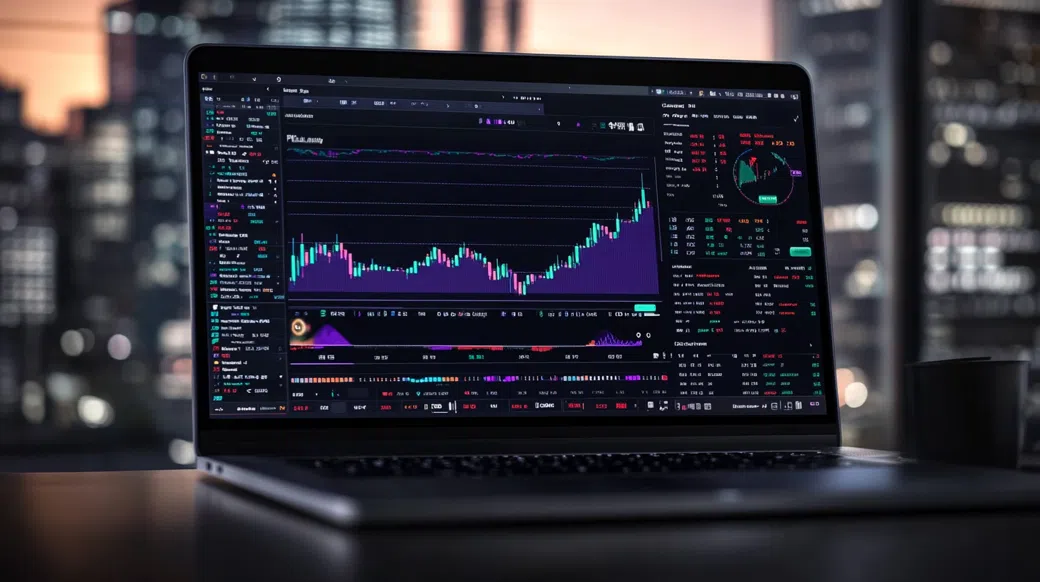
Built as a CFD venue with a retail-first interface, Wealthicator suits traders who want multi-asset access and flexible leverage, but the headline trade-off is an offshore framework with fewer formal protections than EU-regulated brokers. In my test account, the Standard tier leaned on spread-only pricing while the tighter Raw-style tier added per-lot commission for active flow. The product menu is broad enough for a “macro week” (indices, gold, FX) without feeling like a crypto-only shop. The WebTrader is clean and quick for chart-to-ticket work, and the mobile app mirrors most functions. The weakness is what you’d expect in this segment: lighter research depth and limited escalation paths if a dispute arises—so position sizing matters. Wealthicator
Pros
- Two pricing tiers let you choose spread-only simplicity or tighter quotes with commission
- Wide CFD lineup across FX, indices, metals, and major crypto pairs
- Mobile and WebTrader tools are coherent, with sensible chart-to-order workflow
Cons
- Offshore registration means weaker investor-compensation backstops than in the EU
- Education/research is functional but not deep enough for systematic traders
- Dormant accounts face an inactivity charge after a period of non-use
Is Wealthicator Legit and Safe?
Wealthicator appears operational and legitimate in the narrow sense that it provides real onboarding, trading, and withdrawal rails, and it enforced KYC in my test. It is not a “guaranteed safe” venue in the way a top-tier EU broker can be, because it runs under an offshore registration model.
Mauritius FSC was the jurisdiction referenced in the legal footer I reviewed, which typically signals a lighter-touch supervisory environment than Stockholm or Frankfurt would prefer. Practically, that can translate into higher available leverage (here up to 1:500) and more flexible product packaging, but also less robust compensation schemes and fewer local dispute-resolution channels if something turns contentious. I did a quick red-flag sweep while testing: no pushy “account manager” calls, no gaudy fake-award banners plastered over the dashboard, and—importantly—my withdrawal request was not stalled by surprise document demands after approval. Safeguards were present in the usual places: ID and address verification (AML/KYC) and explicit language around segregated client funds. Still, remember what you’re trading: CFDs are leveraged products; margin calls arrive fast, and most retail accounts lose money over time—risk management is the whole game, not a footnote.
Supported Countries & Restricted Regions
This broker primarily accepts clients across parts of Europe (outside the strictest EU regimes), MENA, Latin America, and sections of Africa and Asia, subject to local rules. The USA and sanctioned jurisdictions are blocked.
| Region | Status | Leverage Cap |
|---|---|---|
| Europe (non-EU / EEA) | Accepted | Up to 1:500 |
| Latin America | Accepted | Up to 1:500 |
| MENA | Accepted | Up to 1:500 |
| Southeast Asia | Accepted | Up to 1:500 |
| USA | Restricted | Not offered |
| Sanctioned jurisdictions | Restricted | Not offered |
Eligibility is enforced through a mix of self-declaration, IP/location checks, and KYC details during verification. Policies move with compliance pressure, so treat availability as something you confirm at signup rather than assume from last year’s forum posts.
Tradable Assets and Markets
Rather than going “all-in” on one niche, the lineup feels built for traders who rotate between FX and macro CFDs, with crypto and share CFDs as optional satellites. Liquidity and quote quality were best on the majors and headline indices.
- Indices: US500, NAS100, US30, GER40, and UK100 are the core contracts, suitable for event-driven positioning.
- Forex: Roughly 40+ pairs across majors and a handful of minors/exotics; EUR/USD and GBP/USD carried the cleanest pricing in my checks.
- Commodities: Gold and silver alongside crude (WTI/Brent) and natural gas; useful for hedging “risk-on/risk-off” weeks.
- Crypto CFDs: BTC and ETH plus several large-cap coins, traded as derivatives rather than on-chain assets.
- Share CFDs: A curated list of US/EU blue chips for directional trades without building a long-term equity book.
All exposure here is via CFD contracts, meaning you’re not receiving shareholder voting rights or taking delivery of underlying assets. For crypto, you’re trading price movement only—no wallet withdrawals, no on-chain transfers, and no “real coin” custody.
Wealthicator Trading Fees and Spreads
Pricing is tiered: the Standard account rolls costs into the spread, while the Raw/ECN-style option tightens the spread and charges commission per lot. On EUR/USD, my quotes sat around the mid-pack for offshore CFD brokers, with the Raw tier looking materially sharper for frequent traders.
| Asset | Spread/Fee | Market Average Comparison |
|---|---|---|
| EUR/USD (Standard) | From 1.6 pips | In line with offshore CFD peers |
| EUR/USD (Raw/ECN) | From 0.2 pips + $7 round-turn/lot | Competitive for active trading |
| Bitcoin (BTC/USD) | From $35 spread | About average; varies by volatility |
| Gold (XAU/USD) | From $0.30 | Slightly better than average in calm markets |
| US500 Index | From 0.8 points | Competitive for intraday trades |
Non-spread costs to watch: Overnight swap/financing is the silent line-item—hold a leveraged index CFD for a week and it becomes real money, especially around weekends. The platform also applies an inactivity fee of $10 per month after 90 days without trading, which can sting small balances. Withdrawal costs were method-dependent in the checkout flow (I saw potential third-party fees for bank wires), and FX conversion can add friction if you fund in one currency and trade in another. Crypto positions typically priced in extra weekend financing, so “set and forget” isn’t free.
Wealthicator Trading Platforms and Tools
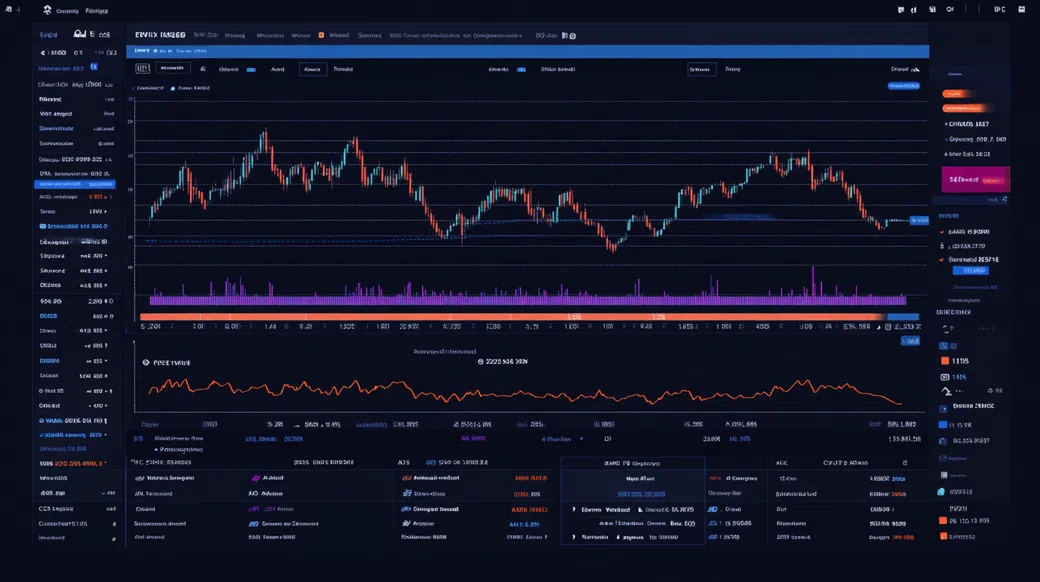
From a Nordic perspective, I care less about glossy dashboards and more about whether the ticket behaves under pressure. The WebTrader held steady during the London–New York overlap when I placed a market order on GER40 and then managed the position with a stop adjustment; execution felt consistent, with no obvious requote loops. Order types covered the basics (market, limit, stop, take-profit/stop-loss), and charts included the usual indicator set. If you live inside MT4/MT5 plug-in ecosystems, note that I didn’t see a confirmed MT4/MT5 download path in the client area—this is very much a proprietary stack.
Wealthicator App: Mobile Trading Experience
The Wealthicator app mirrors the WebTrader layout, and the Wealthicator login stayed stable for me over multiple sessions using biometric unlock on iOS. Real-time quotes, one-tap position close, and account history are all where you expect them, and funding/withdrawal actions are reachable without hunting through menus. Push notifications were available for price alerts and margin warnings, which is the kind of feature that matters when leverage runs high. My only gripe: chart space is tight in portrait mode, so serious multi-timeframe work still belongs on a larger screen.
Charting, Tools & Research
Tooling is practical rather than institutional: multi-timeframe charts, drawing tools, common indicators (MA, RSI, MACD, Bollinger), and watchlists you can sort by asset class. An economic calendar and a compact news feed are integrated, helpful for “what’s moving now” context but not a replacement for a dedicated research terminal. Alerts are serviceable, though power users will miss the depth of MT5/cTrader analytics and third-party add-ons. For most retail CFD decision-making, it’s enough—just don’t confuse it with a full research desk.
Wealthicator Account Opening & Minimum Deposit
Before I could trade, the provider pushed me through a clean funnel: email + password, a short suitability-style questionnaire, then identity checks. KYC required a government photo ID and a proof of address (bank statement worked) dated within three months, and my verification cleared the same business day. The back office made it obvious where you were in the process, which I appreciate after years of opaque onboarding at smaller brokers.
- Minimum Deposit: $200 (this is the Wealthicator minimum deposit I saw at funding)
- Funding Methods: Visa/Mastercard, bank wire, regional e-wallets, and crypto deposits (BTC/USDT supported in my cashier)
- Demo Account: $10,000 virtual balance for testing spreads, order behavior, and margin dynamics
- Account Types: Standard (spread-only) and Raw/ECN-style (tighter spreads + commission)
Funding by card posted instantly on my side, with a clear confirmation screen and updated free margin seconds later. I did the first withdrawal only after verification—sensible AML practice—and the process was guided enough that I didn’t need to email support to find the right form. For the most current cashier options and account settings, I checked directly inside Wealthicator.
Wealthicator Customer Support Review
Support was tested with a practical question: how weekend financing is applied on crypto CFDs and where to view swap rates before holding overnight. Live chat connected in roughly three minutes and pointed me to the instrument specs page, including the timing window for rollover. I followed up by email asking whether withdrawal processing begins immediately after submission or only after an internal review cutoff; the ticket was answered in about eight hours, with a clear “24–48 hours internal processing after KYC” explanation.
Coverage is broadly 24/5, which matches how most CFD brokers staff their desks, and the chat team handled English cleanly. Phone support wasn’t prominent in my region, so I’d treat voice as a “maybe” rather than a promise. Over the weekend, you can still manage open positions, but don’t expect full-service responses until markets reopen—plan your risk accordingly if you hold leverage through Friday.
Ready to Explore Wealthicator?
If you’re considering this platform, start by confirming your country eligibility, then compare Standard vs. Raw pricing on the instruments you actually trade. I’d also run a demo for a week to observe spread behavior around key data releases before committing meaningful capital.
Visit WealthicatorWealthicator Review FAQ
Is Wealthicator good for beginners?
It can be, provided you treat leverage with respect and start small. The WebTrader and app are intuitive, and the $10,000 demo helps you learn order mechanics without paying tuition to the market. Beginners should still expect limited education content compared with large EU brokers.
Can I trade crypto on Wealthicator?
Yes, crypto is available as CFDs, including BTC/USD and ETH pairs. That means you’re speculating on price moves with leverage rather than buying coins for a wallet. Weekend financing and volatility can make holding costs meaningful.
Is Wealthicator a scam?
No, it didn’t behave like a classic scam in my checks: KYC was enforced, trading worked, and my withdrawal request was processed. The real caveat is jurisdiction—offshore registration offers fewer formal protections than Tier-1 regulators. Approach it as a higher-risk venue and manage exposure accordingly.
Is Wealthicator available in the USA?
No, the USA is restricted on this platform. US residents generally can’t open accounts due to regulatory constraints around CFDs and retail leverage. If you’re traveling, don’t assume access will work from a US address or document set.
How long does a Wealthicator withdrawal take?
A Wealthicator withdrawal typically goes through internal processing within 24–48 hours after KYC is approved. After that, receipt time depends on the rail: cards often take 2–5 business days, bank wires 3–7 business days, while crypto transfers can arrive the same day. Your bank or wallet provider can add delays outside the broker’s control.
What is the Wealthicator minimum deposit?
The Wealthicator minimum deposit is $200 for the account I opened. That’s enough to test live spreads and execution, but it’s not enough to “safely” use 1:500 leverage without tight risk controls. If you’re new to CFDs, consider depositing less than you can afford to lose and using the demo first.
Does Wealthicator have a mobile app?
Yes, there are iOS and Android apps alongside the WebTrader. The mobile experience supports deposits, withdrawals, live quotes, and position management with alerts. For detailed chart work, desktop still feels more comfortable.
Final Verdict: Should You Use Wealthicator in 2026?
Overall Score: 3.9/5
Some brokers try to win you over with noise; this one wins on mechanics. Wealthicator delivered acceptable spreads for a Standard account, a credible Raw option for higher-frequency traders, and a platform stack that didn’t get in my way when managing index and FX risk. The cost of that convenience is structural: offshore oversight, fewer formal investor protections, and higher leverage that can amplify mistakes. If you treat CFDs as a tool—not a lottery ticket—and keep position sizing disciplined, Wealthicator is worth a careful look in 2026.
Best for: multi-asset CFD traders who value flexible leverage and a clean WebTrader/app setup. Avoid if: you need Tier-1 regulation, deep research, or you’re prone to overtrading with high margin.