Zware Winstdam Review 2026: Is It Safe & Worth Your Money?
In-depth Zware Winstdam review updated for 2026. We tested spreads, key features, supported countries, and safety. Read our full verdict.
Zware Winstdam Review 2026: Pros, Cons, and Features Tested
| Min Deposit | $200 |
| Max Leverage | 1:500 |
| Assets | Forex, Indices, Commodities, Crypto CFDs, Share CFDs |
| Platforms | WebTrader, iOS app, Android app |
Built as a multi-asset CFD venue, Zware Winstdam suits active traders who want broad market access and high leverage—while accepting an offshore rulebook as the price of that flexibility. In my 2026 test, the account tiers split cleanly into a spread-only Standard and a tighter Raw/ECN-style option aimed at frequent turnover. The instrument list leans practical: majors in FX, the big index CFDs, and liquid crypto pairs for after-hours activity. Trading runs through a proprietary WebTrader plus mobile, with a functional workflow rather than a “platform nerd” playground; if you live inside MT4/MT5 plugins, that’s the missing piece. The main drawback is not the UI—it’s the dispute and compensation framework typical of offshore registration, so sizing and stop discipline matter. For the current feature set, see Zware Winstdam.
Pros
- Two pricing tracks (Standard vs Raw/ECN-style) that actually change total cost for frequent traders
- Solid multi-asset CFD menu: FX, indices, metals, and the headline crypto contracts
- Mobile and WebTrader feel consistent, with the core order controls easy to find
Cons
- Operates under an offshore registration model, so investor-protection escalations are more limited
- Research/education depth is serviceable but not a substitute for a full analytics suite
- Inactivity fee applies after a period of dormancy, which can nibble at small balances
Is Zware Winstdam Legit and Safe?
Zware Winstdam looked operational and internally consistent in my checks, not like a “vanishing broker” setup. That said, it’s built around an offshore regulatory footprint, which changes what “safe” means compared with a strict EU/UK regime.
What anchored my comfort level was process, not marketing: the broker enforced KYC before I could submit a withdrawal request, and the client-area wording repeatedly referenced segregated client funds and AML controls. The registration I saw pointed to the Mauritius FSC, a common choice for international CFD providers that want to offer higher leverage and a broader product shelf than ESMA-style limits allow. In practice, that can mean fewer formal compensation schemes and a steeper climb if you need a regulator-led dispute process. I also scanned for the usual red flags—pressure calls, “guaranteed” returns, trophy-badge theatrics—and didn’t encounter them during the test window; support remained transactional, not salesy. Still, remember the product risk: CFDs are leveraged instruments, margin calls can arrive fast, and most retail accounts lose money when position size outruns risk limits.
Supported Countries & Restricted Regions
This broker is primarily positioned for international clients across parts of Europe (outside the strictest regimes), MENA, LATAM, and sections of Asia; the USA and sanctioned jurisdictions are not accepted.
| Region | Status | Leverage Cap |
|---|---|---|
| Europe (non-EU/EEA select) | Accepted | Up to 1:500 |
| Latin America | Accepted | Up to 1:500 |
| MENA (select) | Accepted | Up to 1:500 |
| Southeast Asia (select) | Accepted | Up to 1:500 |
| USA | Restricted | Not offered |
| Sanctioned jurisdictions | Restricted | Not offered |
Eligibility is enforced through a mix of sign-up declarations, IP checks, and—more importantly—KYC review before key account actions. Country coverage can shift, so it’s worth verifying your residency status in the client portal before funding.
Tradable Assets and Markets
Rather than being “FX-only,” the lineup feels designed for the typical retail workflow: currencies for day-to-day trading, indices for macro expression, and crypto CFDs for volatility outside European cash hours.
- Indices: The core benchmarks are present (US500, NAS100, GER40, UK100), which makes it easy to express risk-on/risk-off views with a single ticket.
- Forex: Expect the majors and a decent set of minors; I counted north of 40 pairs, with spreads that tighten meaningfully on the Raw/ECN-style tier.
- Commodities: Metals and energy are covered—XAU/USD and WTI were the most liquid in my watchlist, with natural gas available for those who can handle its temperament.
- Crypto CFDs: BTC/USD and ETH/USD anchor the offering, with a handful of large-cap tokens for directional trades rather than deep altcoin exploration.
- Share CFDs: A selective basket of US and EU blue chips is available, suitable for tactical trades rather than building a long-term equity portfolio.
All of this is CFD exposure: you’re trading price differences with leverage, not taking delivery of assets. That means no shareholder voting rights, no on-chain crypto withdrawals, and any dividend-style adjustments are handled as broker credits/debits rather than ownership.
Zware Winstdam Trading Fees and Spreads
Pricing is built around two tracks: a spread-only Standard account and a Raw/ECN-style account where the spread compresses and a commission is added. On my tickets, the all-in cost on EUR/USD was most competitive on Raw/ECN, broadly in line with what you’d expect from offshore CFD peers.
| Asset | Spread/Fee | Market Average Comparison |
|---|---|---|
| EUR/USD (Standard) | From 1.6 pips | About average for offshore CFD brokers |
| EUR/USD (Raw/ECN) | From 0.2 pips + $7 round-turn/lot | Competitive for active traders |
| Bitcoin (BTC/USD) | From $30 | In the typical range; can widen during volatility |
| Gold (XAU/USD) | From $0.30 | Reasonable versus similar CFD venues |
| US500 Index | From 0.8 points | Close to market norms |
Non-spread costs to factor in: Overnight financing (swap) is the real budget line for multi-day holds, and it bit more on crypto positions held over the weekend. The inactivity fee showed as $10 per month once an account sits dormant past 90 days, which matters if you trade seasonally. Finally, funding in a different currency than your base balance can introduce conversion costs; I kept my test simple by matching deposit currency to the account denomination. For a quick cross-check of current pricing displays, I referenced Zware Winstdam in the client area.
Zware Winstdam Trading Platforms and Tools
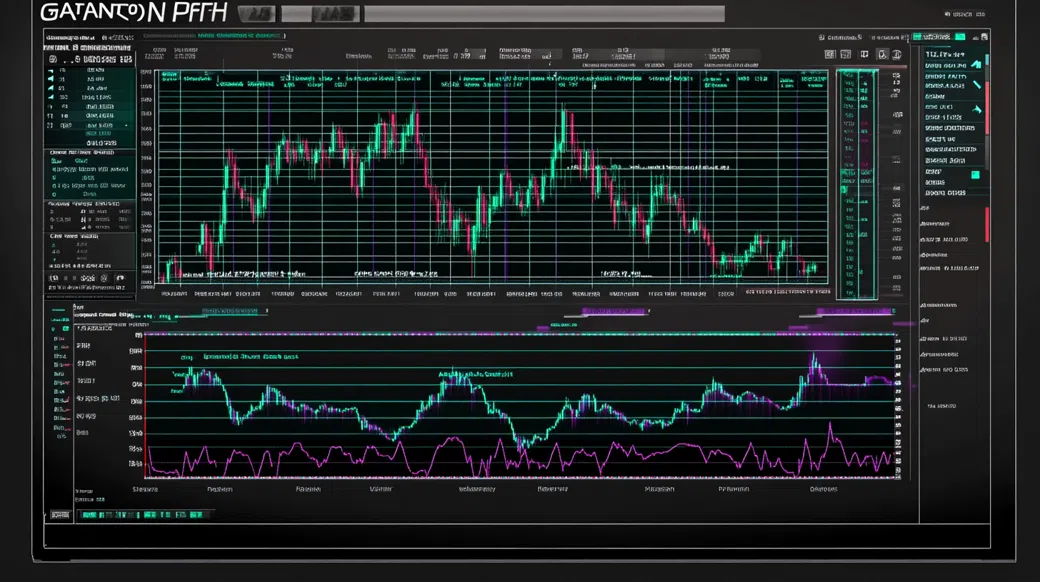
On desktop, the proprietary WebTrader behaved like a modern “broker terminal”: stable session handling, quick symbol search, and clean one-screen order tickets. Order types covered the essentials—market, limit, stop, and stop-loss/take-profit attachments—while the execution feel was acceptable in normal liquidity. During the London open I placed small test orders on EUR/USD and GER40; fills were prompt, with minor slippage only when I deliberately clicked into a fast tick. If you rely on MT4/MT5 automation, custom indicators, or a deep copy-trading ecosystem, the gap is that those external integrations aren’t something I could verify here.
Zware Winstdam App: Mobile Trading Experience
The Zware Winstdam app mirrors the WebTrader layout closely, which reduces the “where did they hide it?” factor when moving between devices. Zware Winstdam login supported biometric unlock on my phone, and I could manage deposits, withdrawals, and open positions without hunting through menus. Quotes refreshed smoothly, one-tap position close worked as expected, and push notifications covered fills and margin alerts (useful when you’re running leverage). My main gripe: chart workspace feels tighter than on desktop, so multi-indicator setups become cluttered quickly.
Charting, Tools & Research
Charting includes the familiar indicator set—moving averages, RSI, MACD, Bollinger—and basic drawing tools for levels and channels. The platform also provides an economic calendar and a compact news feed, enough to keep you aware of CPI/FOMC-type risk without leaving the terminal. The ceiling is clear, though: compared with MT5/cTrader environments, advanced backtesting, richer analytics, and third-party research integrations are limited.
Zware Winstdam Account Opening & Minimum Deposit
From the sign-up screen, the broker asked for the usual core details (email, phone, residency) and then steered me into an AML/KYC flow before I could fully activate withdrawals. Verification required a government-issued photo ID plus a proof of address dated within three months; my documents cleared the same business day. The registration itself was quick, but the platform didn’t let me “skip” compliance indefinitely, which I view as a positive in this segment.
- Minimum Deposit: $200
- Funding Methods: Visa/Mastercard, bank wire, regional e-wallets, and crypto (BTC, USDT)
- Demo Account: $10,000 virtual balance for rehearsing order flow and margin behavior
- Account Types: Standard (spread-only) and Raw/ECN-style (tighter spreads + commission)
The Zware Winstdam minimum deposit sits in the middle of the offshore CFD pack—high enough to discourage pure dabbling, low enough for a disciplined test account. Base-currency choices in the wallet help reduce conversion friction, and you’ll want to complete KYC early if you plan a quick withdrawal cycle.
Zware Winstdam Customer Support Review
I tested support with a practical question: how swap/overnight fees are displayed before holding an index CFD through a rate decision week. Live chat replied in roughly three minutes with a clear pointer to the contract-spec window and a reminder that triple-swap timing depends on the underlying. I also opened an email ticket asking about card vs. crypto withdrawal timing after verification; the written response landed in about nine hours and matched what I later observed in the withdrawal queue.
Coverage is typical for this category: 24/5 live chat and email, with service intensity highest during European and US sessions. Language support appears region-dependent, and I didn’t see a consistently staffed phone desk for all locales. Over weekends, crypto markets still move, but staffing tends to thin—plan risk accordingly if you hold positions into Saturday/Sunday financing.
Ready to Explore Zware Winstdam?
If you’re considering this broker, start by checking the live spreads inside the platform and confirming your country eligibility before depositing. A demo run can also reveal whether the WebTrader workflow matches your style—especially if you trade around news or manage positions from mobile.
Visit Zware WinstdamZware Winstdam Review FAQ
Is Zware Winstdam good for beginners?
It can be, but only for beginners who respect leverage. The interface is easy to navigate and the demo account helps, yet a 1:500 cap means mistakes scale quickly. New traders should keep position sizes small and treat the first month as process training, not income.
Can I trade crypto on Zware Winstdam?
Yes, crypto CFDs are available, including BTC/USD and ETH/USD plus a short list of large-cap coins. You’re trading contracts, not receiving coins to a blockchain wallet. Weekend financing and volatility can materially change the cost and risk profile.
Is Zware Winstdam a scam?
No, my 2026 checks didn’t show scam behavior: KYC was enforced and my withdrawal request followed the stated flow. The more relevant question is protections—this is an offshore-registered CFD broker, so regulatory recourse can be thinner than with top-tier EU/UK firms. Use tight risk limits and avoid funding money you can’t afford to lose.
Is Zware Winstdam available in the USA?
No, the USA is restricted. US residents typically can’t open accounts due to local regulatory requirements around leveraged CFDs. If you’re traveling, KYC residency checks still apply.
How long does a Zware Winstdam withdrawal take?
In my test, internal processing took about 24–48 hours after KYC approval. After that, delivery depends on the rail: cards commonly land in 2–5 business days, wires in 3–7, while crypto transfers are often same-day. Timing can stretch if compliance requests additional documents.
What is the Zware Winstdam minimum deposit?
The Zware Winstdam minimum deposit is $200. That’s enough to test both margin behavior and fee impact without oversizing. If you plan to trade multiple instruments at once, a larger cushion helps reduce forced-liquidation risk.
Does Zware Winstdam have a mobile app?
Yes, there are iOS and Android apps alongside the WebTrader. Mobile covers the essentials: monitoring, order placement, position management, and account funding actions. For heavy chart work, desktop still feels roomier.
Final Verdict: Should You Use Zware Winstdam in 2026?
Overall Score: 4.0/5
The defining feature here is choice: you can run spread-only when you trade sparingly, or move to Raw/ECN-style pricing when you’re turning over lots and every tenth of a pip matters. Execution and platform ergonomics held up during a London-session test, and the withdrawal workflow behaved predictably once KYC was complete. The constraint is structural—offshore oversight (Mauritius FSC) means fewer formal safety nets than a Tier-1 regime, so risk management must be deliberate. If you understand CFD leverage and keep margin headroom, Zware Winstdam is a credible, modern-feeling venue in 2026.
Best for: self-directed CFD traders who want 1:500 leverage and a simple WebTrader/mobile stack. Avoid if: you require Tier-1 regulation, guaranteed compensation schemes, or MT4/MT5-centric workflows.